
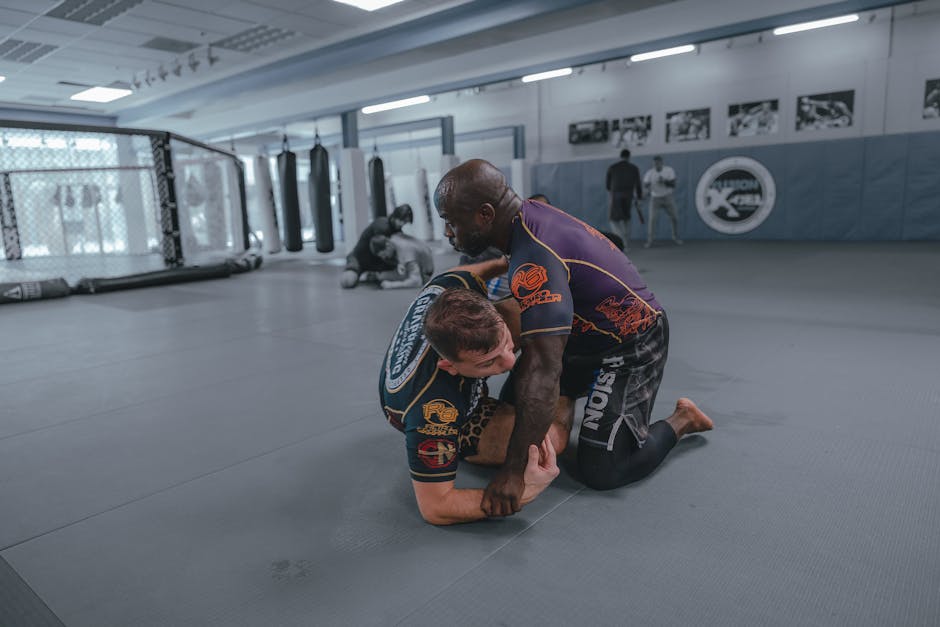
A jiu jitsu cardio workout isn't just about running on a treadmill. It's about training your heart and lungs the way your body actually uses them during rolling—with long steady efforts mixed in with explosive bursts, all wrapped together into one brutal, beautiful experience on the mat.
If you want to roll hard for multiple rounds without gassing out, you need to understand how BJJ demands your cardiovascular system. The good news? You can build that conditioning with a mix of targeted cardio work and smart rolling practice.
Related: Cardio Training for Jiu Jitsu: Build Your BJJ Conditioning
Start With Your Aerobic Base
Before you jump into high-intensity work, you need a solid aerobic foundation. Think of it like building a house—you can't put the roof on until the walls are up.
Your aerobic system is what keeps you going during longer rolling rounds. Most jiu jitsu rolls last longer than a couple of minutes, which means your body relies heavily on oxygen-fueled energy. If your aerobic base is weak, you'll hit a wall fast.
Related: Jiu Jitsu Submissions List: 37+ Techniques Explained
Related: Best Jiu Jitsu Gi: What to Look For When Choosing
Related: Taekwondo vs Jiu Jitsu for Kids: Which Is Better?
Related: Jiu Jitsu vs Taekwondo for Kids: Which is Right?
Start with at least 30 minutes of easy-paced cardio most days of the week. Running, cycling, swimming, or rowing all work. The key is picking something you'll actually do consistently.
Go slow enough that you could hold a conversation. If you're gasping for air, you're going too hard. This seems boring, but it's the foundation everything else is built on.
Add Live Rolling as Your Best Cardio Tool
Here's the truth: live rolling is the single best cardio workout for jiu jitsu. Nothing else mimics what your body goes through on the mat like actual rolling does.
Related: Jiu Jitsu Single Leg Takedown: Step-by-Step Guide
When you roll, you're not just moving at one steady pace. You're exploding into a takedown, then slowing down to control position, then ramping up again to escape or attack. Your heart rate spikes and recovers constantly. That's exactly what you need to train.
Related: How to Escape Mount Position in Jiu Jitsu
If you're serious about building your conditioning, increase your rolling volume. Roll more rounds, roll more often. Start with longer rest periods between rounds if you're new to this, then gradually shorten them as your fitness improves.
Gonzales JJ offers live rolling during open mat sessions where you can get the exact sport-specific conditioning your body needs in a controlled, supportive environment.
Start your BJJ journey off (Free Class)
Get Started Today →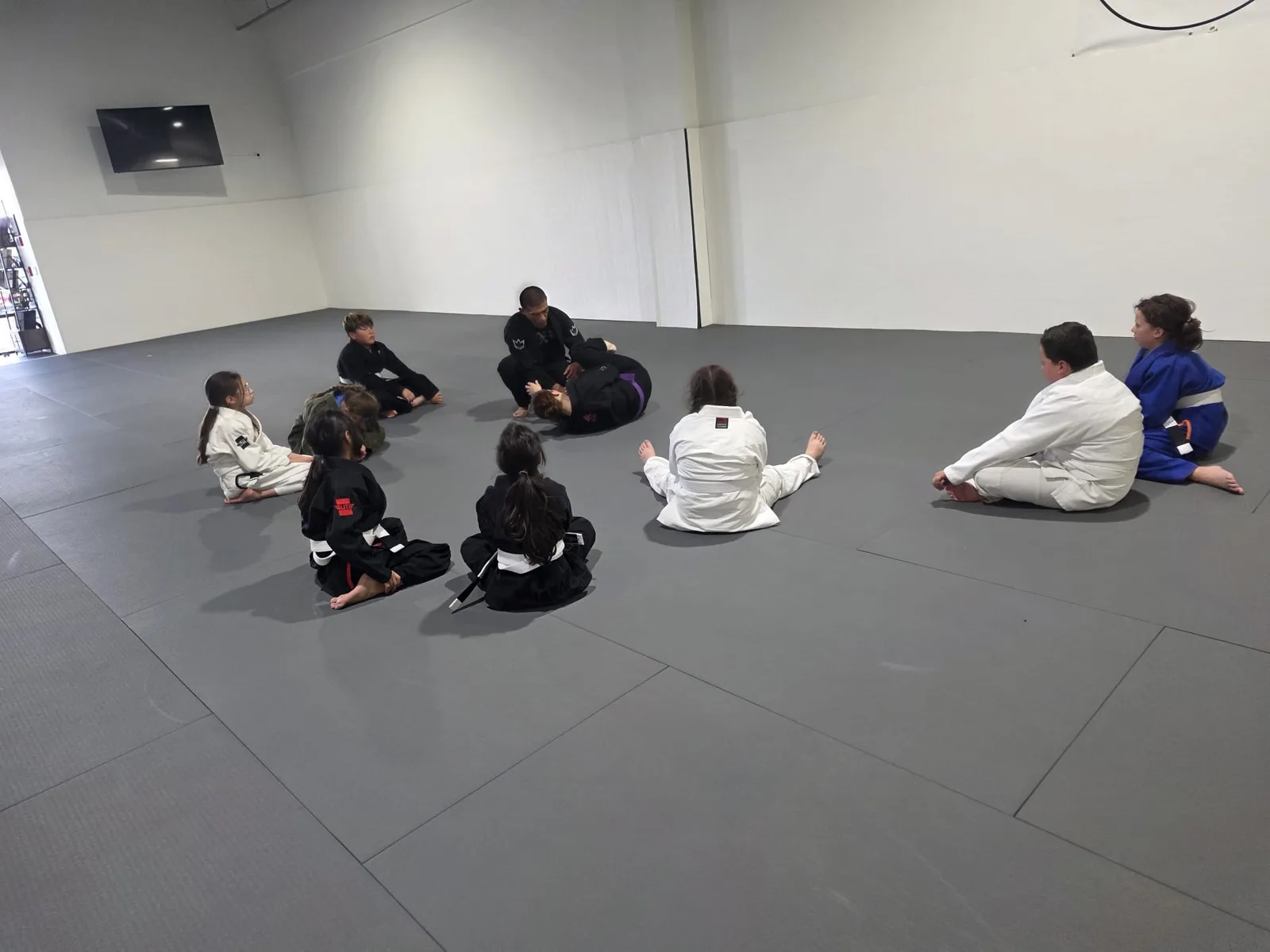
Mix in Anaerobic Burst Training
During rolling, you're not always cruising at a steady pace. You explode. You scramble. You defend hard. Those moments demand a different energy system than your steady aerobic work.
Your anaerobic system kicks in during short, high-intensity efforts. In jiu jitsu, these bursts happen throughout a round—sometimes lasting 30 seconds, sometimes a few minutes.
Train for this by doing shorter, harder efforts within longer time periods. Hill sprints work great for this. Run or sprint up a hill for 30-45 seconds, walk back down to recover, then repeat for 8-10 rounds. The hill adds resistance and intensity that translates directly to the power you need on the mat.
You can also do interval work on a bike or rowing machine: go hard for a minute, recover for two minutes, repeat. The mix of high effort and recovery mirrors what happens during rolling.
Shorten Your Rest Periods to Build Toughness
One of the fastest ways to boost your conditioning? Decrease the time you rest between rolling sets.
If you normally rest for three minutes between rounds, drop it to two. Then to 90 seconds. Your body adapts to the reduced recovery time by becoming more efficient at handling work with less rest.
This doesn't mean you should go reckless and injure yourself. Progress gradually. But this single change—resting less—will hammer your cardio faster than almost anything else.
Train at Submaximal Intensity Most of the Time
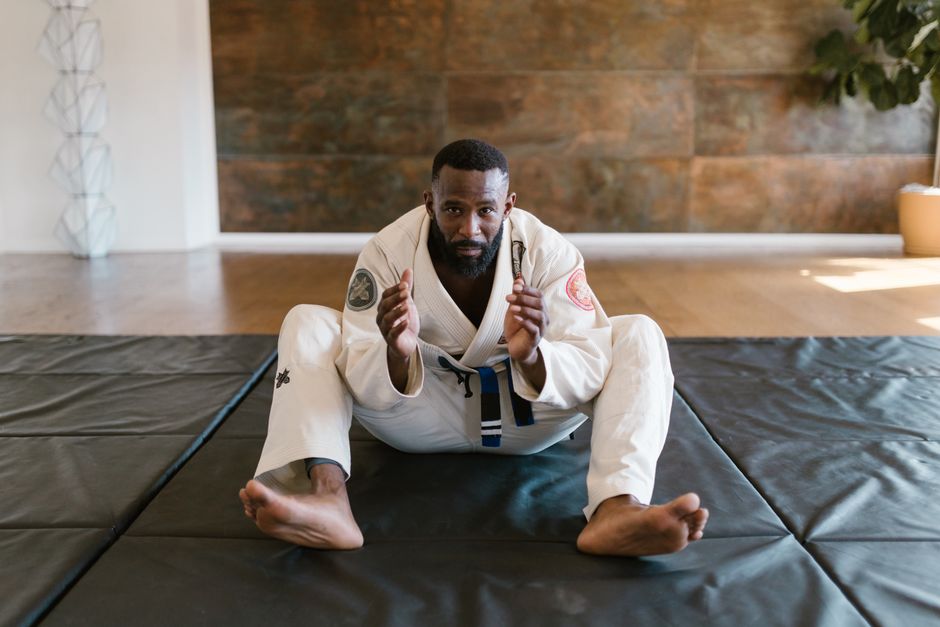
Here's where a lot of people mess up their conditioning work: they think they have to go 100% all the time.
Real jiu jitsu rolling involves a lot of moderate-intensity work. You're technical. You're controlling. You're not always going absolutely flat-out. Your cardiovascular training should match that reality.
Related: Jiu Jitsu Gis for Men: Choose the Right Fit for Your Training
Most of your rolling and cardio work should happen at about 60-75% of your maximum effort. Save the all-out sprints and intense rounds for once or twice a week. The rest of the time, build volume and work on feeling efficient at moderate intensity.
This approach keeps you from burning out, reduces injury risk, and actually builds better conditioning because you can do more total volume.
Combine Volume and Intensity for Best Results
Your conditioning improves when you manipulate two things: how much work you do (volume) and how hard you work (intensity).
You don't manipulate both at the same time. Instead, you focus on one for a period, then switch focus.
One week, focus on volume: more rolling rounds, more moderate-intensity work, longer sessions. The next week, focus on intensity: shorter sessions but with harder efforts, more burst work, reduced rest periods.
This cycling prevents plateaus and keeps your body adapting and improving. It also gives your nervous system breaks from constant high-intensity work.
Make 30 Minutes Your Minimum
Don't expect real conditioning improvements from 10-minute workouts. Your cardiovascular system needs time under tension to adapt.
Aim for at least 30 minutes for your supplemental cardio work. If you're doing aerobic base work, 30-45 minutes is solid. If you're doing interval work, you can go slightly shorter, but still aim for 30 minutes total including warm-up and cool-down.
Rolling rounds are usually 5-10 minutes each depending on your belt level, so if you roll for 4-5 rounds, you're easily hitting 30+ minutes of sport-specific cardio work.
If your goal is genuine jiu jitsu cardio fitness, that's the time commitment your body needs.
Build a Practical Weekly Plan
Here's what a realistic weekly jiu jitsu cardio plan looks like:
Related: Jiu Jitsu for Self Defense: A Practical Guide
- Monday: Rolling session with moderate intensity (4-5 rounds)
- Tuesday: Easy aerobic work like running or cycling (30-40 minutes)
- Wednesday: Rolling session, then short interval work or hill sprints
- Thursday: Easy aerobic work again
- Friday: Rolling session with focus on longer rounds, shorter rest
- Saturday: Optional extra rolling or a longer, steady aerobic session
- Sunday: Rest or very easy movement
You don't have to follow this exactly. The point is you're rolling multiple times a week (which is your best conditioning tool), mixing in steady aerobic work, and occasionally hitting harder intensity. This combination builds real cardio fitness.
The structure also lets you recover adequately so you can keep improving without burning out.
Progressive Overload Keeps You Improving
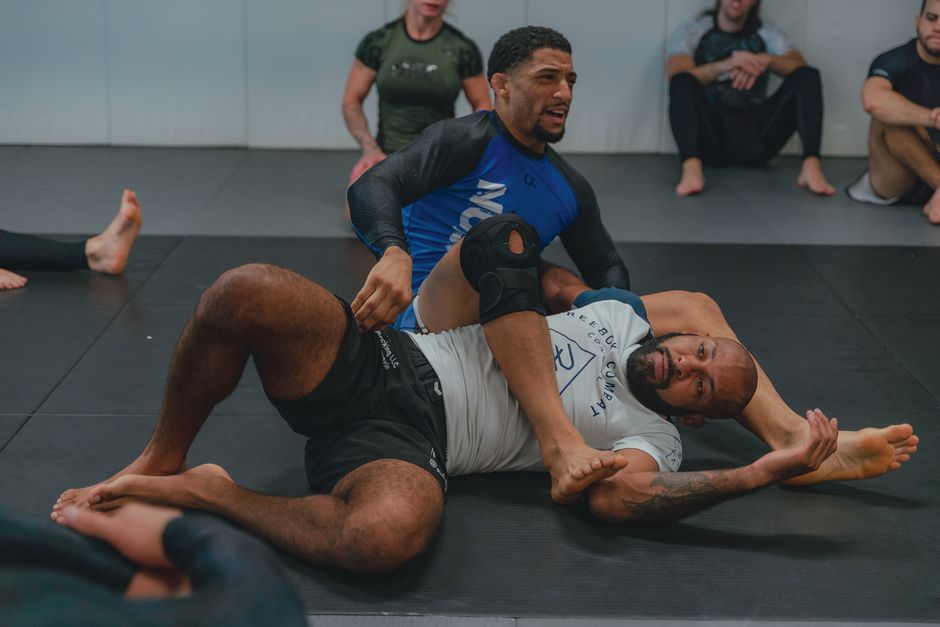
Your body adapts quickly. What was hard three weeks ago feels easier now. That's good—it means you're improving. But it also means you have to keep challenging yourself.
Progressive overload means you're constantly doing slightly more or slightly harder. Add one more rolling round. Drop your rest period by 15 seconds. Run one more hill sprint. Increase your steady cardio by five minutes.
Small changes add up over months and build serious conditioning. You're not trying to transform overnight. You're building sustainable fitness that lasts.
Track Your Sessions to Stay Honest
Write down your rolling sessions and cardio work. Note how many rounds you did, how long each was, and how you felt. Track your rest periods and intensity levels.
After a few weeks, look back. You'll see progress in ways that matter: longer rounds without gassing out, shorter rest periods, harder efforts feeling more sustainable.
This simple tracking habit keeps you accountable and shows you what's working.
Get Quality Instruction to Maximize Your Training
Building cardio through rolling works best when you're training with good partners and skilled instructors who push you the right way. Gonzales JJ provides the coaching and rolling partners you need to build conditioning safely and effectively, with instruction that makes sure you're training smart, not just hard.
People Also Ask
How often should I do cardio for jiu jitsu?
Three to four rolling sessions per week, combined with two to three aerobic base-building sessions, is a solid target for most people. If you're training at a higher level, you might do more. Start with what you can sustain consistently, then add more as you adapt.
Can I just run to get better cardio for BJJ?
Running builds aerobic capacity, which is foundational and helpful. But it doesn't teach your body to handle the specific demands of rolling—the changes in intensity, the technical control, the positions. Combine running with live rolling for best results.
Why do I gas out so quickly in rolling if I do cardio?
Cardio helps, but it's not everything. You might be rolling with poor technique, which wastes energy. You might be tensing up instead of relaxing. You might not be recovering between rounds. Work on all three: technique, efficiency, and proper rest.
Is high-intensity training better than steady cardio?
Both matter. Steady cardio builds your base. High-intensity work improves your ability to handle the explosive moments. You need both to be well-conditioned for jiu jitsu. Don't skip the boring, steady work thinking you can just sprint your way to fitness.
Start your BJJ journey off (Free Class)
Get Started Today →