
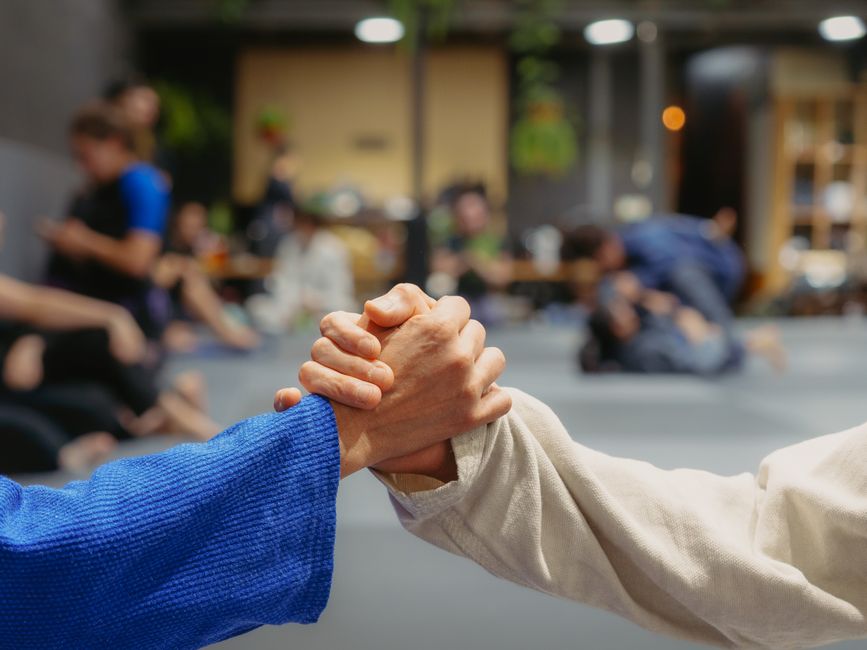
Jiu jitsu for self defense works because it teaches you how to escape danger, control an opponent, and win even when you're in a tough position. Unlike striking arts, jiu jitsu lets you neutralize threats using technique instead of force, which means your size or strength doesn't have to match your attacker's.
If you're thinking about learning self-defense, this is the real deal. Here's what you need to know about how jiu jitsu actually protects you in the real world.
Related: Jiu Jitsu Strength and Conditioning: A Complete Guide
Related: Jiu Jitsu Single Leg Takedown: Step-by-Step Guide
Why Jiu Jitsu Works for Self Defense
The core reason jiu jitsu is effective for self defense is simple: most real-world confrontations end up on the ground. Once you're down, strikes don't help much. You need to know how to escape, control your opponent, and get to safety.
Jiu jitsu trains you for exactly that scenario. You learn to work from the bottom position, which means you can defend yourself even when someone has you pinned or on top of you. This defensive advantage is huge because it removes the panic that comes from feeling trapped.
The other game-changer is that jiu jitsu doesn't rely on strength. A smaller, trained person can escape from or control a larger, untrained person using proper technique and leverage. That makes it incredibly valuable if you're smaller, younger, older, or less athletic than potential threats.
The Foundational Techniques for Practical Self Defense
Self defense in jiu jitsu starts with learning escapes and sweeps. These are the techniques that get you out of danger fast.
Related: Best Gifts for Jiu Jitsu Lovers: A Practical Guide
Related: Is Jiu Jitsu Good for Self Defense? Rio Rancho Guide
- Escapes teach you how to get out from under someone who is on top of you. Bridge escapes, shrimp escapes, and knee-elbow escapes are the basics that build your ability to create space and roll away to safety.
- Sweeps let you flip your opponent from your back to the mat, reversing control so you're on top instead. This is critical because it shifts the advantage to you.
- Positional control means holding a safe, dominant position where your opponent can't hurt you. Guard, side control, and mount teach you how to stay safe while controlling someone else.
- Submissions like chokes and joint locks give you the ability to end a confrontation without throwing strikes. These techniques work fast and decisively.
When you train at a technique-focused academy like Gonzales JJ, you learn these in a structured order that builds real competence, not just flashy moves.
Start your BJJ journey off (Free Class)
Get Started Today →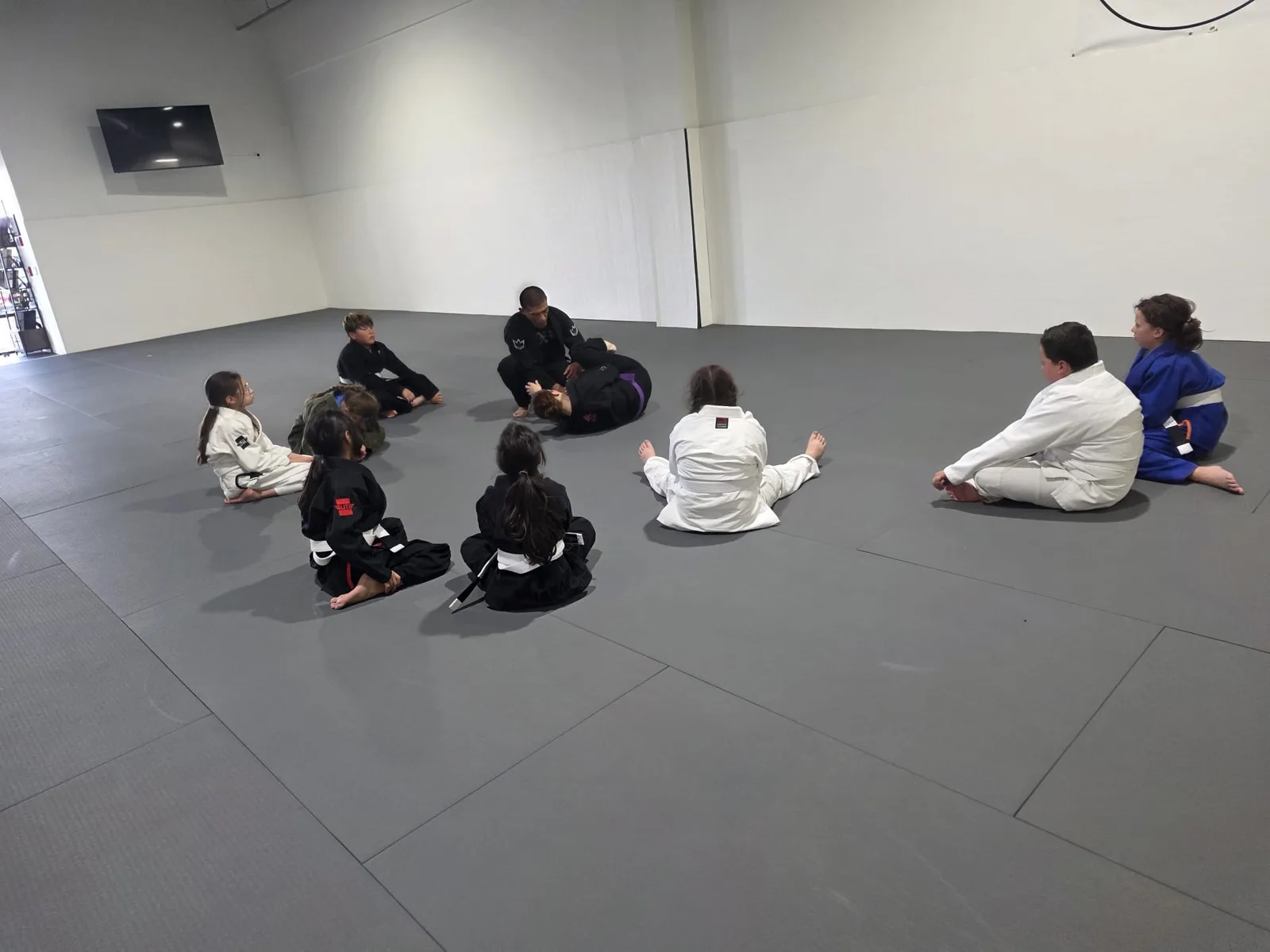
How Long Does It Take to Build Real Self Defense Skills
You can develop reliable fundamental self defense skills within 6 to 12 months of consistent training. That doesn't mean you're an expert, but it means you have practical tools you can actually use under pressure.
The key word is consistency. Training twice a week for six months beats training five times a week for two months. Your body needs time to encode these movements, and your mind needs repetition to access them when adrenaline kicks in.
In the first few months, you learn basic escapes and how to protect yourself. By month three or four, you start understanding positioning and how to avoid getting pinned in the first place. By month six, you're comfortable defending against common scenarios.
After a year, you have problem-solving skills. You know how to adapt when someone doesn't cooperate with your first escape attempt. You stay calm instead of panicking. That's when self defense stops being a list of moves and becomes a real capability.
Why Self Defense Training Must Be Part of Your Curriculum
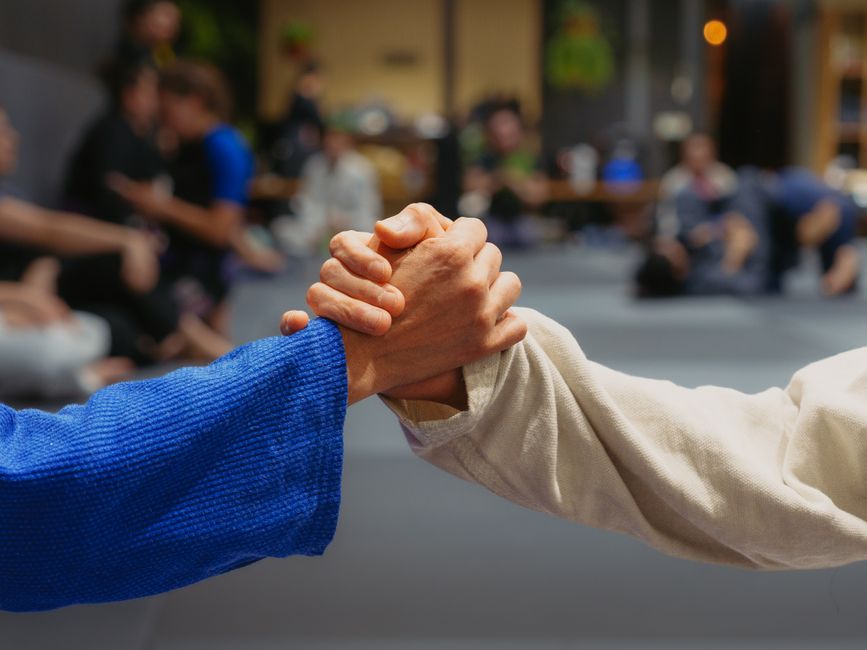
Here's where a lot of jiu jitsu academies miss the mark: they treat self defense as an afterthought instead of making it a priority in their program.
If you're learning jiu jitsu for self defense, your training should include realistic scenarios. That means practicing escapes from positions you don't like, defending against aggressive grabs, and working on maintaining control under stress.
It also means training with resistance that feels real. Drilling slowly is important for learning, but you also need to practice against someone who is actually trying to stop you. That's where pressure-testing comes in.
A good self defense curriculum builds progressively. It starts simple, adds complexity as you improve, and never assumes you'll remember fancy techniques in an emergency. Instead, it prioritizes the high-percentage moves that work when you're scared, tired, or surprised.
Jiu Jitsu for Women and Young People
Jiu jitsu is particularly valuable self defense training for women and children because it closes the strength and size gap. A 130-pound woman trained in jiu jitsu can realistically escape or control a 200-pound untrained person.
This matters because it builds genuine confidence, not false confidence. When you've actually escaped from a larger, heavier training partner using technique, you know it's real. You're not hoping you'll remember a move. You know you can do it because you've done it dozens of times.
For young people, jiu jitsu training also builds anti-bullying resilience. Kids learn to stay calm under pressure, how to escape from holds, and how to avoid panic. That mental toughness translates to all kinds of difficult situations, not just physical threats.
Getting Started with Self Defense Focused Training
If you want to learn jiu jitsu specifically for self defense, look for an academy that builds self defense into every level of training. Ask instructors whether their curriculum includes escapes and positional control, not just submissions and competitive moves.
You'll also want training partners and coaches who take safety seriously and who train with you (not just at you). Self defense is a two-person skill, and you need good partners to develop real competence.
When you're ready to start, reach out to Gonzales JJ to learn how their family-focused academy structures self defense training for everyone from kids to adults. A good academy will make you feel welcome and explain how they build practical skills from day one.
What to Expect in Your First Year of Training
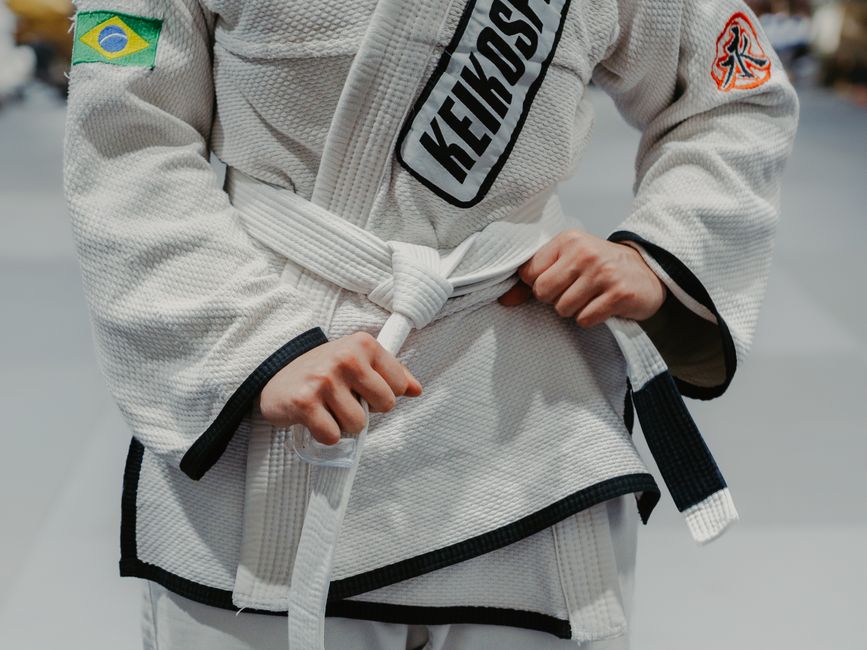
Month 1-2: You'll learn basic positions, how to fall safely, and simple escapes. You'll feel clumsy and tired. This is normal.
Month 3-4: Escapes start to feel more natural. You begin to understand why certain positions are safer than others. Your cardio improves.
Month 5-8: You can string together multiple escape attempts. You're less likely to panic when someone is on top of you. You start recognizing when someone is setting up a submission and can defend.
Month 9-12: Self defense scenarios feel less foreign. You've practiced enough that your muscle memory kicks in. You can problem-solve when things don't go exactly as drilled.
Beyond year one: You develop deeper understanding of timing, pressure, and control. Self defense stops being about memorizing techniques and becomes about reading your opponent and adapting.
Train Smart and Stay Safe
Remember that self defense training is about building skills and confidence, not about proving toughness or testing yourself against harder opponents. Train hard, but train smart. Listen to your body and your instructors when they say to tap out of a submission. The goal is to develop lasting skills you can use, not to get injured proving a point.
The best self defense academy emphasizes that everyone grows and improves together. You're not competing against your teammates. You're all building the same skills and holding each other accountable to good technique and safety.
How different is jiu jitsu self defense from sport jiu jitsu?
Sport jiu jitsu focuses on scoring points and winning matches under specific rules. Self defense jiu jitsu focuses on escaping danger and controlling a threat without rules. Both teach valuable skills, but self defense training emphasizes position and escape over flashy submissions, and it practices realistic scenarios more often.
Do you need to be flexible or athletic to learn jiu jitsu for self defense?
No. Jiu jitsu works because of technique and leverage, not flexibility or athleticism. You'll improve both as you train, but you don't need either to start. Your age, fitness level, or current strength won't hold you back.
Can jiu jitsu help if you're a smaller person?
Yes. That's actually one of jiu jitsu's biggest advantages. Technique-based defense lets you neutralize size and strength differences. A 120-pound trained person can escape from and control a much larger untrained person through proper leverage and positioning.
What if I have kids interested in self defense training?
Jiu jitsu is an excellent choice for young people. Kids learn practical skills, build confidence, develop discipline, and learn how to handle pressure without aggression. Look for a family-focused academy that teaches kids how to escape from holds, stay calm, and make smart decisions in uncomfortable situations.
Start your BJJ journey off (Free Class)
Get Started Today →