
You're thinking about learning self-defense, and jiu jitsu keeps coming up in your research. Makes sense. But before you commit, you want to know if it actually works in a real situation. The honest answer? Yes—with caveats that matter.
Brazilian Jiu-Jitsu (BJJ) is genuinely effective for self-defense in unarmed, one-on-one confrontations. It gives you a significant advantage through limb isolation, opponent control, and the ability to end conflicts with minimal injury risk. But it's not a complete self-defense solution on its own, and understanding where BJJ shines and where it falls short will help you train smarter.
Related: Brazilian Jiu Jitsu Leg Locks: Complete Beginner Guide
Related: Ladies Jiu Jitsu Gi: Complete Fit & Style Guide
Related: Youth Jiu Jitsu Gi: Complete Guide for Young Athletes
Related: Brazilian Jiu Jitsu Basic Moves: A Beginner's Guide
Related: Best Jiu Jitsu Instructional Videos: A Beginner's Guide
Related: Jiu Jitsu Scissor Sweep: Step-by-Step Guide for Beginners
Related: Brazilian Jiu Jitsu No Gi: Complete Training Guide
Related: Is Brazilian Jiu Jitsu Good for Self Defense? The Real Answer
Related: Is Jiu Jitsu Good Self Defense? Yes—Here's Why
Related: Best Jiu Jitsu Self Defense in Rio Rancho, NM
Related: Jiu Jitsu Half Guard: Complete Beginner Guide
Related: Where Did Jiu Jitsu Originate? Rio Rancho's Guide to BJJ History
Related: Is Jiu Jitsu a Martial Art? Rio Rancho's Guide to BJJ
Related: Jiu Jitsu Gi Sizes: Complete Sizing Guide & Chart
If you're in Rio Rancho, Corrales, or the surrounding areas and you're serious about self-defense training that builds real confidence, Gonzales JJ offers technique-focused instruction that prepares you for practical, controlled scenarios while emphasizing control and de-escalation over aggression.
Start your BJJ journey off (Free Class)
Get Started Today →
Why Jiu Jitsu Works for Self-Defense
BJJ's core strength is grappling control. Most untrained people panic in a grappling situation. They don't know how to escape, defend, or create space. You will.
When you train BJJ, you learn:
- How to remain calm under pressure and in chaotic moments
- Techniques to neutralize and control a threat without striking
- Body awareness and positional dominance
- How to escape from disadvantaged positions
- De-escalation through control, not damage
The psychological benefit matters as much as the physical one. Training at Gonzales JJ builds the confidence to stay composed when adrenaline spikes. That composure is half the battle in a real self-defense situation.
Research on martial arts training shows that consistent practice improves stress response and decision-making under pressure. You develop what experts call "stress inoculation"—your nervous system learns to function in high-stress moments because you've trained in controlled versions of them.
The Limitations You Need to Know
Here's where honesty matters. BJJ has real gaps when it comes to complete self-defense:
- Standing game is weak: BJJ focuses on ground techniques. Your striking defense and offensive striking options are limited without supplemental training.
- Poor striking tools: You won't develop the footwork, distance management, or striking combinations you'd learn in boxing or kickboxing.
- Ground fighting risks in real life: Going to the ground during a street confrontation can expose you to environmental hazards (concrete, weapons, multiple attackers). BJJ assumes a fair one-on-one fight.
- No off-the-ground control: Once you're standing, you need different tools to manage distance and threats.
This isn't a criticism of BJJ. It's the reality of any specialized martial art. The best self-defense approach combines grappling, striking awareness, and situational intelligence.
BJJ Self-Defense Works Best When...
You're realistic about the scenario. BJJ excels in controlled, fair-fight situations where both people are equally armed (or unarmed). It's effective because:
- Most altercations between untrained people happen in clinching or grappling range
- You gain exponential advantage with proper technique against someone without BJJ experience
- You can control and neutralize a threat with minimal injury to yourself or them
- The sport teaches you to stay composed when someone is actively trying to counter your moves
Whether you're a first responder needing to control suspects safely, a parent wanting to teach your kids anti-bullying skills, or an adult building personal confidence and discipline, BJJ delivers real-world value. Gonzales JJ serves Rio Rancho, Corrales, Bernalillo, and the wider Albuquerque area with personalized instruction that meets you where you are—whether you're training for competition, self-defense, or personal growth.
How to Make Jiu Jitsu Work for Your Self-Defense Goals
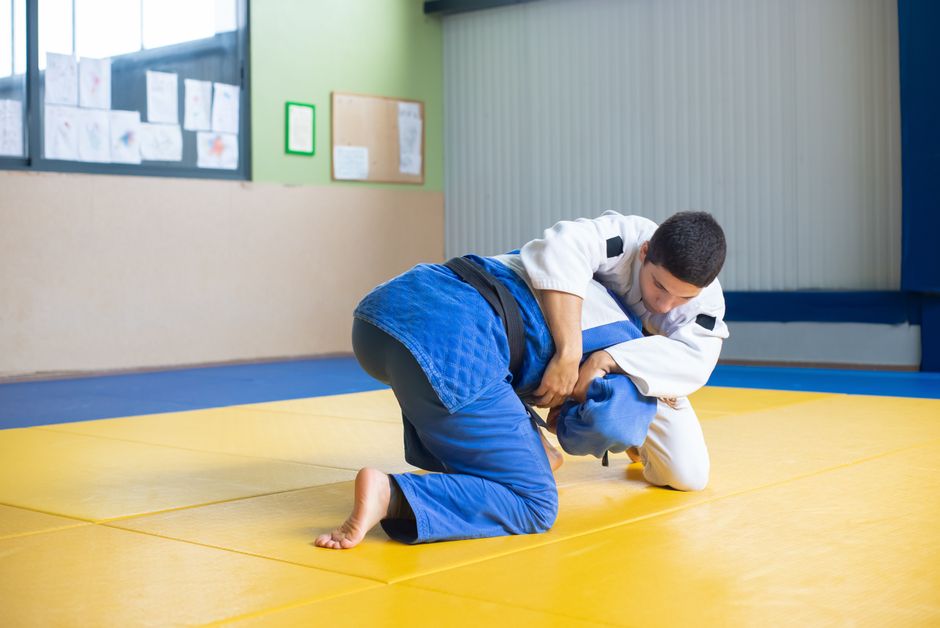
If you commit to BJJ training, here's how to maximize its self-defense value:
Train regularly. Self-defense skills develop through repetition. Muscle memory, positional awareness, and decision-making speed all improve with consistent mat time. Even 2-3 sessions per week builds competence faster than casual training.
Focus on fundamentals. flashy techniques look cool but don't keep you safe. Master escapes, control positions, and pressure—the bread and butter that works against any opponent.
Spar realistically. Light rolling against cooperative partners teaches technique. But occasional harder rolls against resistant opponents show you what works under stress. Good coaches balance both.
Cross-train if possible. Add boxing, kickboxing, or wrestling to shore up your standing game and striking defense. This rounds out your toolkit.
Develop situational awareness. Training is only one layer. Understanding de-escalation, recognizing threats early, and avoiding danger altogether keeps you safer than any martial art alone.
World-champion instructors like those at Gonzales JJ emphasize that self-defense isn't just about technique—it's about building winners on and off the mat. That means teaching you when to fight, when to talk, and when to run.
What the Experts Say
The Gracie family, who developed modern BJJ, built the system with self-defense as a core pillar. Master Pedro Sauer and other lineage holders endorse BJJ's practical self-defense applications, particularly its emphasis on control and de-escalation.
A study on martial arts training and stress response published by the National Institutes of Health found that regular martial arts practice improves emotional regulation and decision-making under pressure—exactly what you need in a genuine self-defense moment.
The consensus: BJJ is highly effective for grappling self-defense scenarios, but it's most powerful as part of a broader self-defense mindset that includes awareness, de-escalation, and strategic thinking.
Start Your Self-Defense Journey in Rio Rancho
If you're ready to build genuine self-defense skills and the confidence that comes with them, training matters. You'll spend your time learning from instructors who understand both the technical excellence and the character-building aspects of the art.
Whether you're in Rio Rancho, nearby Corrales, or commuting from Albuquerque, finding a gym that prioritizes your goals—whether that's self-defense, family training, or competitive growth—makes all the difference. The best time to start is always now, and the best gym is one that welcomes you and meets you where you are.
Is jiu jitsu enough for self-defense by itself?
No. BJJ is highly effective for grappling scenarios, but it doesn't teach striking, striking defense, or how to handle multiple attackers. It works best combined with situational awareness and ideally supplemented with striking training. Think of it as one essential layer of a complete self-defense approach.
How long does it take to become proficient at jiu jitsu self-defense?
Most people develop practical self-defense competence within 6-12 months of consistent training (3+ sessions per week). You'll notice improved confidence, body control, and de-escalation skills much sooner. Mastery takes years, but genuine self-defense readiness comes faster than you might expect.
Is jiu jitsu safe to train if I've never done martial arts?
Yes. Good gyms scale intensity and difficulty to your level. Beginners learn fundamentals with cooperative partners before any sparring happens. Communication, controlled training, and proper instruction—hallmarks of a quality program—make BJJ safe for all ages and experience levels.
Can jiu jitsu help with confidence and bullying prevention for kids?
Absolutely. BJJ teaches kids body awareness, how to escape uncomfortable situations, and the confidence that comes from knowing they can handle themselves. Beyond the physical skills, the discipline and community aspect build resilience and self-worth—the real antidotes to bullying.
Start your BJJ journey off (Free Class)
Get Started Today →