
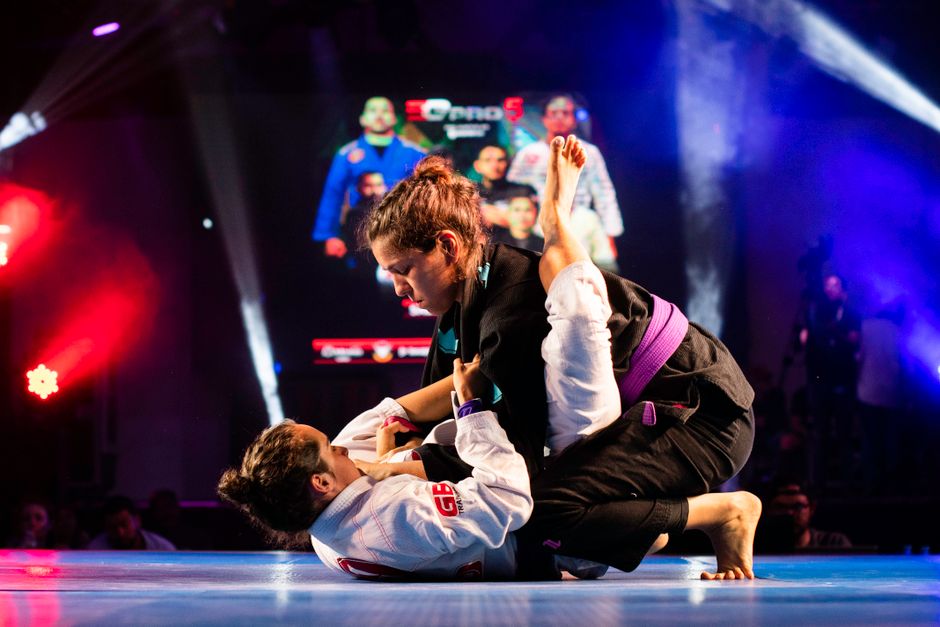
When you're starting jiu jitsu, the sheer number of moves out there can feel overwhelming. That's why we put together this jiu jitsu moves list to help you focus on what actually matters when you're building your foundation.
The best approach isn't to learn every technique at once. Instead, you want to master the core moves that show up in most rolling sessions, get comfortable with how your body moves in grappling positions, and then layer in more advanced stuff as you grow. Let's break down the moves you should know by category.
Takedown and Hand Fighting Moves
Before you even get to the ground, you need to control your opponent. These moves set up everything that comes after.
Collar Tie: Grab behind your opponent's neck with one hand and control their posture. This is one of the most fundamental hand-fighting tools. From here, you can off-balance them, pull them down, or set up other techniques.
Wrist Control: Control your opponent's wrist to manage their arm placement and limit their options. You'll use this constantly whether you're standing or on the ground.
Underhook: Get your arm under your opponent's arm and across their back. This is a huge position because it gives you leverage and control over their upper body. From an underhook, you can work toward takedowns or control in close positions.
Overhook (Whizzer): Wrap your arm over your opponent's arm. This is your defense against underhooks and gives you control options of your own.
Pummeling: This is the action of fighting for hand position during engagements. It might not be a "technique" you finish with, but pummeling drills build your hand speed and positioning awareness faster than almost anything else.
Essential Submission Techniques
Submissions are what finish matches and what make jiu jitsu exciting. These are the ones you see over and over again at every skill level.
Related: Basic Jiu Jitsu Moves: Essential Techniques for Beginners
Related: Jiu Jitsu Moves Names: Complete Guide to Essential Techniques
Related: Jiu Jitsu Moves: Essential Techniques for Beginners
Arm Bar: This is probably the first submission most people learn. Isolate your opponent's arm, get your hips high, and straighten their elbow. You'll hit this from guard, side control, and mount position. Drill it constantly because the fundamentals never change.
Kimura: Control your opponent's arm and shoulder by figure-four-ing your hands around their arm. You can finish it by rotating and driving their hand toward their ear, or you can use it as a positional tool to move them around the mat.
Americana: Similar to the Kimura but your opponent is typically on their back and you're controlling from the top. Rotate their arm and drive their hand to the mat. It's a staple move from side control and top position.
Rear Naked Choke: Get behind your opponent, wrap your arm around their neck, and pull. This is the most effective neck submission in jiu jitsu because you're using their own back as leverage. It works in no-gi, in the gi, in competitions, and in self-defense contexts.
Guard Passes and Positional Control
When your opponent is on their back and defending, you need ways to get past their legs and into a dominant position. These moves give you options.
Leg Drag Guard Pass: As you're attacking your opponent's guard, step your leg across theirs and drag it to the side. This opens up their guard and lets you move into side control. It's a game-changer because it's hard to defend once you understand the mechanics.
Pressure Passing: Instead of trying to jump over your opponent's legs, control their hips and knees, then drive through them. Use your weight and pressure rather than speed. This is how bigger, stronger opponents pass guard, but anyone can learn it with good technique.
Crab Ride: Once you're past the guard and in side control, the Crab Ride keeps you pinned down hard. Get your weight low and use your arm under their armpit. Your opponent will have a tough time escaping.
The Truck: Control your opponent from the back by hooking their arms and keeping your weight centered. It's a positional move that sets up submissions and keeps you in the dominant back control position.
Cross Choke from Top Position: Grab both sides of your opponent's gi collar and pull. This works from side control, mount, or top half guard. It's effective because you're using the gi itself as part of the submission.
Lower Body and Advanced Techniques
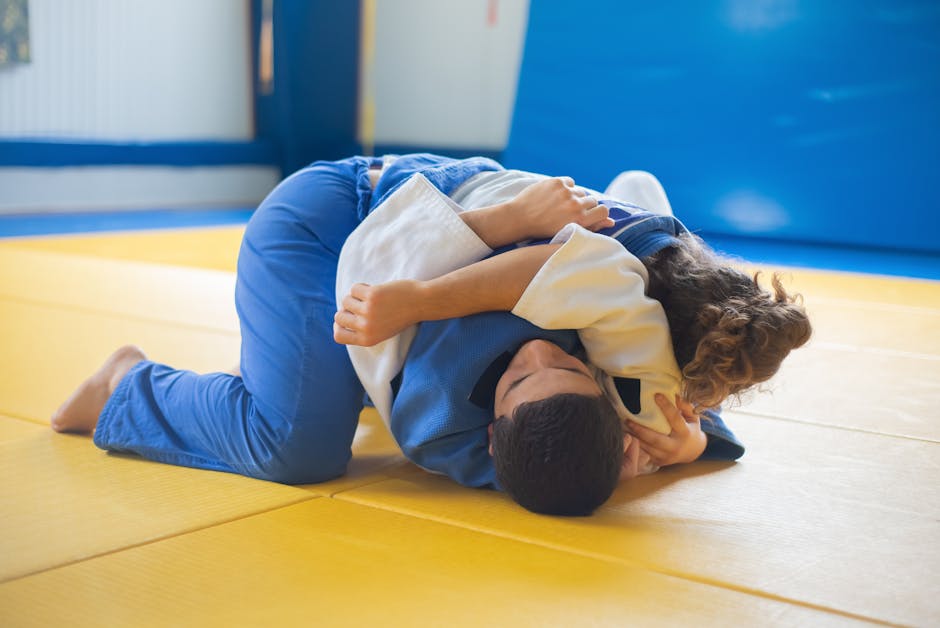
Once you've got the basics down, these moves add depth to your game. They're especially useful as you roll with more experienced opponents.
Heel Hook: Attack your opponent's heel and ankle by controlling their foot and knee. This is a powerful lower body submission that requires careful learning and partner respect. Most beginner classes start teaching this after you understand positional hierarchy and control.
Tarikoplata: This is an arm-triangle-like submission where you use your leg instead of your arm. It's a bit more advanced, but once you learn it, you'll find opportunities for it surprisingly often.
Escapes and Defense: Learning how to NOT get stuck in a bad position is just as important as learning offense. Bridge escapes, shrimp escapes, and framing are techniques that keep you from getting crushed or submitted. Don't skip these when you're learning.
Gi vs. No-Gi Differences
Your jiu jitsu moves list changes slightly depending on whether you're training with a gi or without one.
With a Gi: You can use collar chokes, lapel techniques, and grip-heavy passes because the fabric gives you something to grab. Techniques like the cross choke, collar tie, and many guard passes rely on gi control.
No-Gi: Without the gi, you lose collar and lapel options, so you shift toward leg lock emphasis, body lock control, and neck chokes that work on skin. Your hand fighting and pressure passing become even more important because you can't rely on grip strength.
The core principles stay the same either way, but your submission selection and control strategies adapt to what you have available.
How to Build Your Moves List Into a Real Game
Knowing the moves is one thing. Actually using them in rolling is different.
Start by picking 2-3 moves per category and drilling them until they feel automatic. Don't try to learn everything at once. Your coach will show you the fundamentals, and your job is to repeat them over and over until your body knows them without thinking.
Every time you roll, focus on one or two moves. Maybe today is arm bar day. Tomorrow might be guard pass day. This focused approach builds your skills faster than just randomly trying everything you know.
If you're looking to learn these moves the right way, with personalized instruction from coaches who understand how to teach beginners, Gonzales JJ is built exactly for that. You'll drill these techniques in a structured way and get feedback on your form.
Start your BJJ journey off (Free Class)
Get Started Today →
Common Mistakes to Avoid

Most beginners make the same mistakes with technique.
Going Too Fast: You don't learn by trying to muscle through moves. Slow down, feel the positions, and understand why each move works. Speed comes later.
Ignoring Positional Control: New students want to jump straight to submissions. But if you can't hold a position, you'll never finish the submission. Learn to control first.
Forgetting Defense: You spend half your time defending and escaping. Don't neglect these moves just because they're not flashy.
Training Injured: This isn't really a technique mistake, but it's the most common way beginners derail their progress. If something hurts (not muscle soreness, actual joint pain), tap and tell your partner. Jiu jitsu rewards patience and longevity.
Next Steps for Your Jiu Jitsu Moves Practice
Pick your first moves and start drilling them every class. Ask your coach to correct your form. Roll light and focus on positioning over intensity.
The moves on this jiu jitsu moves list are the foundation. Everyone learns these same techniques, from white belts to black belts. The difference is how deep your understanding gets and how automatically you can use them under pressure.
If you want structured coaching that breaks down each move step by step and shows you how to build them into a real game plan, Gonzales JJ teaches this way. You'll learn the fundamentals in a supportive environment where beginners and competitors train together.
FAQs About Jiu Jitsu Moves
What's the most important jiu jitsu move for beginners to learn?
The arm bar. It's the most intuitive submission, shows up in almost every rolling session, and works from multiple positions. Once you understand how an arm bar works, you'll start recognizing opportunities for it everywhere, and that builds your spatial awareness faster than almost any other single technique.
How long does it take to get good at these moves?
Consistency matters way more than time. If you train 2-3 times per week and focus on drilling the fundamentals, you'll feel comfortable with the basic moves within 3-6 months. But jiu jitsu is a long game. Even black belts keep learning and refining these same techniques for decades.
Should I learn gi and no-gi techniques separately?
You can train one or the other, or both. Most people find that training both makes you a more well-rounded grappler because you adapt your movement and control options based on what's available. But start with whichever style your gym emphasizes and build from there.
Is it okay to focus on submissions instead of positional control?
No. You need positional control first. You can't finish a submission if you don't have a solid, dominant position. Beginners who rush to submissions get swept and submitted by people with better positions. Control the position, and the submissions follow naturally.
Start your BJJ journey off (Free Class)
Get Started Today →