
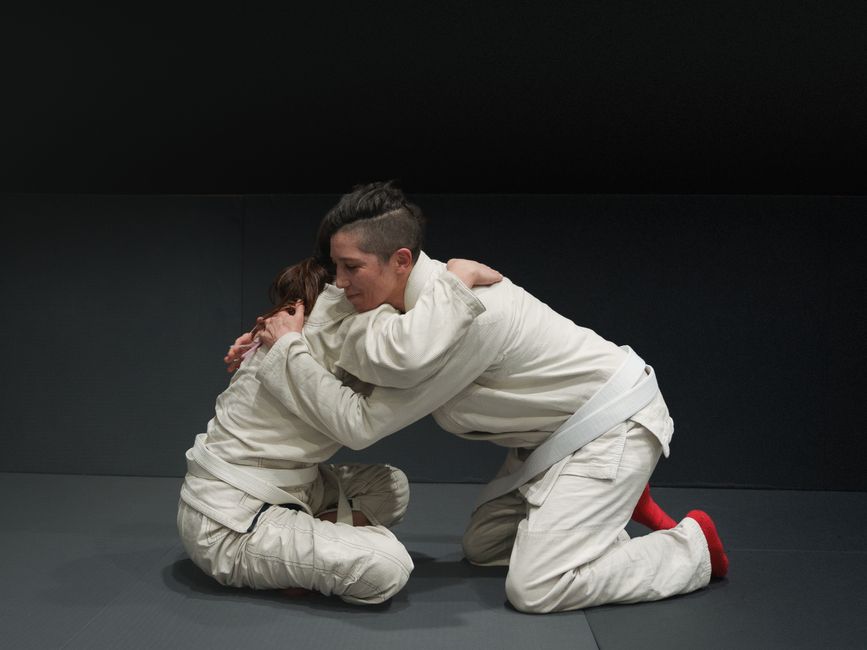
If you're just starting your jiu jitsu journey, you're probably wondering which basic jiu jitsu moves you should focus on first. Here's the straight answer: start with defensive escapes like the hip escape and guard break, then layer in fundamental submissions like the armbar, triangle choke, and guillotine. Master 10 to 20 of these core techniques before you worry about advanced stuff—that's how you build a real foundation.
Why These Basic Jiu Jitsu Moves Matter
Brazilian Jiu-Jitsu isn't about knowing 500 techniques. It's about getting really, really good at the foundational ones. When you start training, your nervous system needs time to absorb movement patterns. Trying to learn everything at once just creates confusion.
Related: Brazilian Jiu Jitsu Basic Moves: A Beginner's Guide
Related: Brazilian Jiu-Jitsu Moves: Essential Techniques Every Beginner Should Learn
Related: Jiu Jitsu Moves Names: Complete Guide to Essential Techniques
Related: Jiu Jitsu Scissor Sweep: Step-by-Step Guide for Beginners
Related: Jiu Jitsu Moves: Essential Techniques for Beginners
Related: Best Jiu Jitsu Gi for Beginners in Rio Rancho, NM
The basics work because they're built on leverage and positioning, not strength. That's what makes BJJ so beautiful—a smaller person can absolutely control a larger one if they understand the mechanics. Gonzales JJ emphasizes this principle with every student, whether you're training for self-defense, competition, or just personal growth.
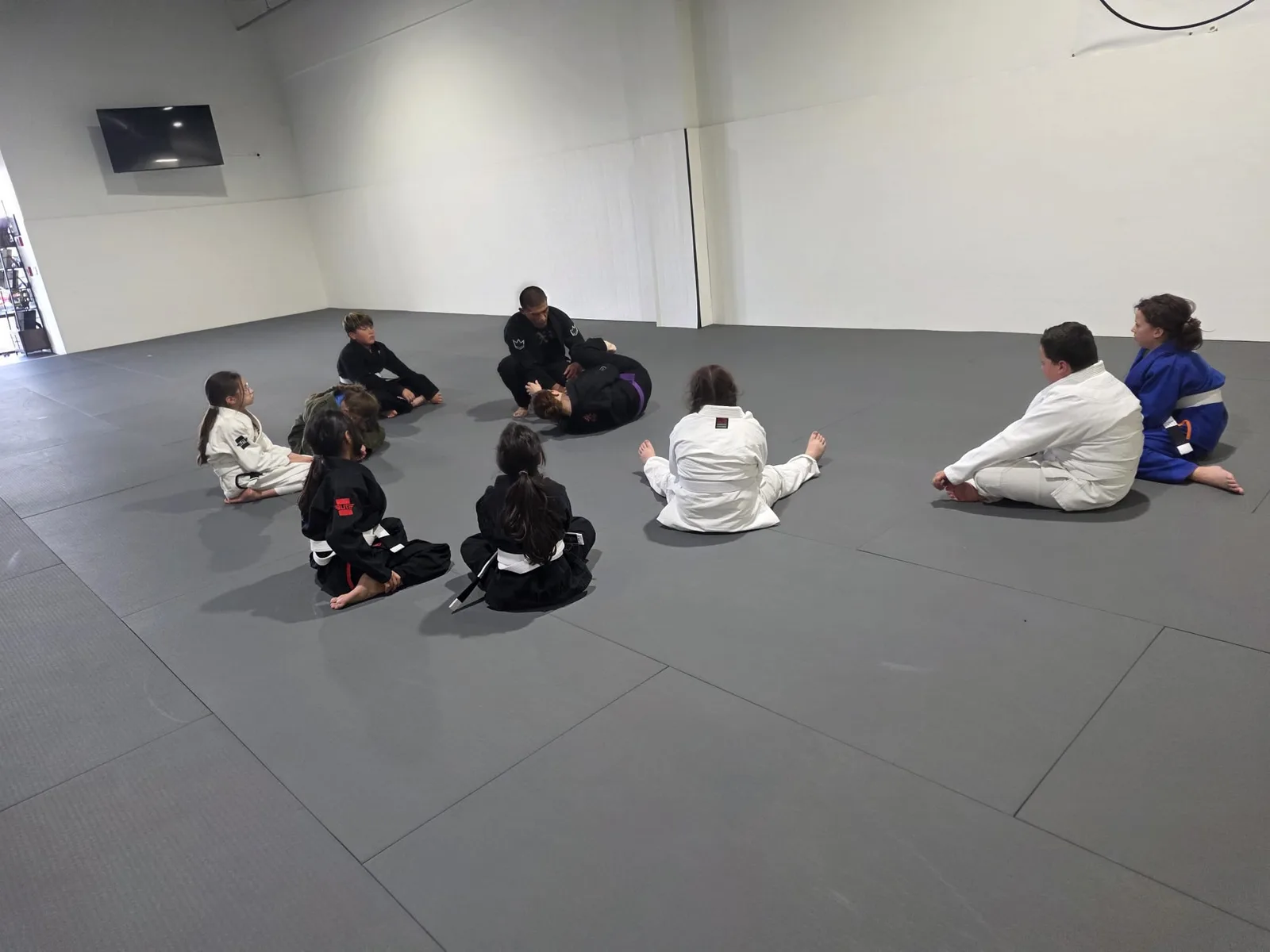
Essential Defensive Moves First
Before you chase submissions, you need to know how to survive and escape. This is non-negotiable.
The Hip Escape (Shrimp Escape)
This is literally the number one move beginners should master. You're on your back with someone in mount position (sitting on your chest). You frame your hands on their hips or chest, bridge your hips explosively upward, and scoot your hips sideways. It sounds simple because it is—but it's the foundation for almost everything else you'll learn.
Guard Break
Your opponent has their legs wrapped around you in guard position. Stand up, post your hands on their thighs, and drive your weight forward while opening their legs. The key is controlling their hips and breaking the connection they've created. This move opens up tons of passing opportunities.
Mount Escape
Similar to the hip escape but more aggressive. Bridge hard, get one shoulder blade on the mat, and rotate your hips. You're trying to turn into your opponent and either create space or get to your knees. This move saves you when someone's got heavy top pressure.
Side Control Escape
When someone's crushing you in side control, your goal is to frame on their chin or shoulder, create space, and get back to guard or scramble to your knees. Timing and hip movement are everything here.
Basic Jiu Jitsu Moves: Fundamental Submissions
Once you can escape and defend, it's time to submit. These four submissions should be your foundation.
The Armbar
This is the submission you'll see in almost every jiu jitsu class. You isolate your opponent's arm, wrap your legs around it, and apply pressure across their elbow joint. There are a dozen ways to set it up (from guard, from side control, from mount), so you'll be learning this for years. Start simple: practice it from your back in guard position.
Triangle Choke
You wrap your legs around your opponent's head and one arm, creating pressure on the side of their neck. The beauty of the triangle is that it forces them into a tough choice: tap or risk losing consciousness. It's also one of the coolest-looking moves in jiu jitsu.
Guillotine Choke
Your opponent shoots in for a takedown or moves to your head. You trap their head and arm with your hands, clamp your hands together, and squeeze. It's a front choke that works from standing or on your back. The guillotine is especially valuable because it counters aggressive attacks.
Americana (Figure-Four Armlock)
Similar to an armbar but applied from a different angle, usually when you're in top side control. You trap your opponent's arm, create a figure-four grip with your hands, and apply rotational pressure on the shoulder. It's more of a shoulder lock than an elbow lock.
The Bridge Between Positions
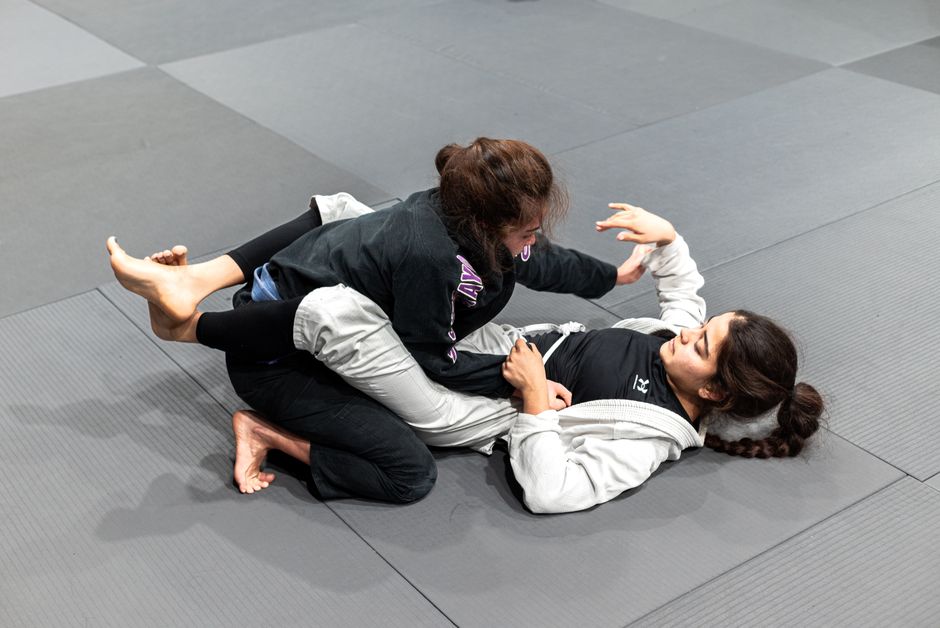
Here's what separates okay beginners from good ones: understanding transitions. You don't just learn an armbar in isolation. You learn how to smoothly move from guard to armbar, or from side control to armbar, or from standing to seated guillotine.
That's where Gonzales JJ's technique-focused approach makes a difference. You're not just drilling moves—you're learning how they connect. Your instructor will show you, you'll drill it slow, then you'll practice it against real resistance.
Start your BJJ journey off (Free Class)
Get Started Today →Take the guillotine as an example. You learn the basic setup from your back. Then you learn how to get to that position from a failed takedown defense. Then you learn the standing guillotine for when someone's still on their feet. Suddenly you've got one submission working in three different scenarios.
How to Actually Learn These Moves
Reading about moves is one thing. Actually learning them takes consistent practice in a real gym with instruction.
Quality video instruction helps. High-definition, step-by-step breakdowns let you see the details—foot placement, hand position, weight distribution. Watch videos after class, not instead of class.
Drill slowly first. Don't roll hard when you're learning fundamentals. Drill the move at 50% speed and pressure with a cooperative partner. Your nervous system needs to encode the pattern before your ego gets involved.
Practice with different people. What works against a smaller partner might need adjustment against someone larger or stronger. That's when the real learning happens.
Balance offense and defense. Don't spend all your time on submissions and ignore escapes. A beginner who can escape and survive is way more valuable than a beginner with fancy attack chains who gets pinned.
Why Start With These Basic Jiu Jitsu Moves
You might wonder why you can't just learn the cool stuff right away. Here's why the basics matter so much:
They work on everyone. An armbar is an armbar whether you're training with a white belt or a black belt. The fundamentals are timeless because they're based on leverage and biomechanics, not athletic ability.
They're the building blocks for everything else. Every advanced technique is just a variation or combination of basic movements. You can't build a house without laying the foundation first.
They keep you safe. When you know how to escape, you don't panic under pressure. When you understand proper submission mechanics, you don't get hurt and you don't hurt your training partners. Gonzales JJ prioritizes safe, intelligent training because that's how you keep people coming back and actually improving long-term.
They boost your confidence. There's something powerful about knowing you can defend yourself or tap someone out with pure technique, no strength required. That confidence translates off the mat too.
Your First Steps in the Gym
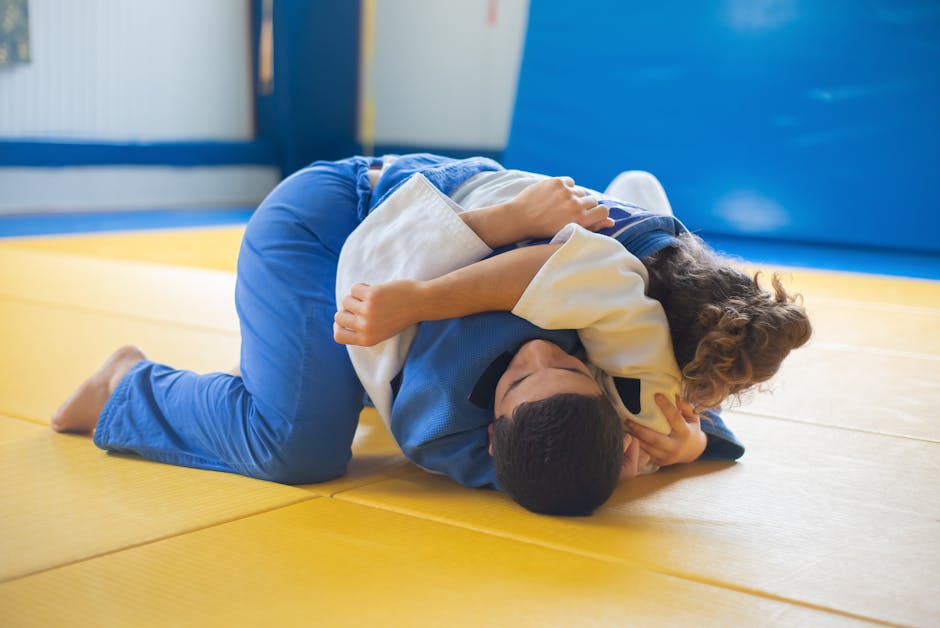
When you walk into a jiu jitsu class, the instructor will probably spend the first few weeks on foundational moves. Lean into it. Don't get frustrated that you're not rolling hard yet. The time you spend drilling escapes and basic submissions is literally the most valuable time you'll spend.
Ask questions when something doesn't make sense. A good instructor wants you to understand the "why" behind each move, not just the "how." Grab a training partner who's been around a little longer and ask them for feedback on your technique.
Most importantly, show up consistently. You can't master basic jiu jitsu moves by coming to class once a month. Three times a week for three months beats once a week for a year. Your body needs regular exposure to these movements to build real competence.
If you're in the Rio Rancho or Albuquerque area and you're ready to start your jiu jitsu journey the right way, check out what Gonzales JJ offers. The team there knows how to break down these fundamentals and keep you progressing safely, whether you're training for competition, self-defense, or just the love of the art.
Common Questions About Basic Jiu Jitsu Moves
How long does it take to learn basic jiu jitsu moves?
Most people get comfortable with basic escapes and submissions in 3 to 6 months of consistent training (3+ times per week). That's when you can actually apply them under pressure during rolling. But "mastery" of the fundamentals? That takes years. Black belts still drill these moves because there's always more depth to discover.
Do I need to be strong to do basic jiu jitsu moves?
No. That's one of the biggest myths about jiu jitsu. These moves are designed around leverage and positioning, not strength. A 120-pound person using proper technique can submit a 200-pound person. Strength helps, but it's not required to learn the basics well.
Should I learn submissions or escapes first?
Escapes first. You need to know how to survive and get back to neutral before you start trying to finish people. That said, your instructor will teach both simultaneously in most classes. Just prioritize understanding defensive movements early on.
What happens after I master basic jiu jitsu moves?
You start learning variations, combinations, and more advanced positions. You learn how to chain submissions together. You develop style and preferences. You might start competing if that appeals to you. The beautiful thing about jiu jitsu is that there's always another level—and quality instruction at every stage makes all the difference.
Start your BJJ journey off (Free Class)
Get Started Today →