
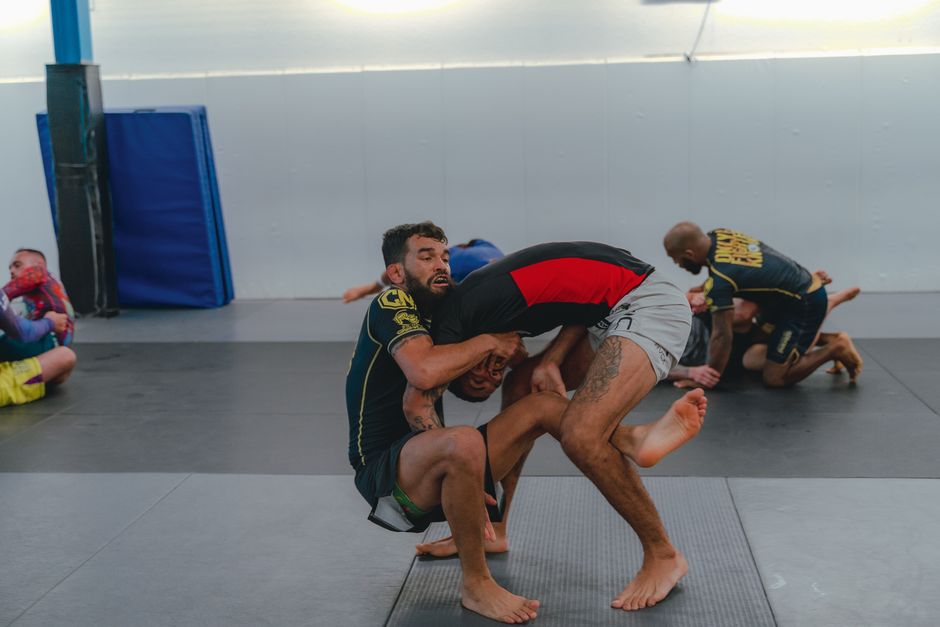
A jiu jitsu submissions list is basically your roadmap to learning how to finish opponents safely and effectively. Whether you're starting out or refining your skills, knowing which submissions exist and when to learn them makes all the difference in your training.
The good news? You don't need to memorize every single submission on day one. Instead, you should focus on mastering the fundamentals first, then layer in more advanced techniques as your understanding grows. That's how Gonzales JJ structures training for everyone from kids to competitive athletes.
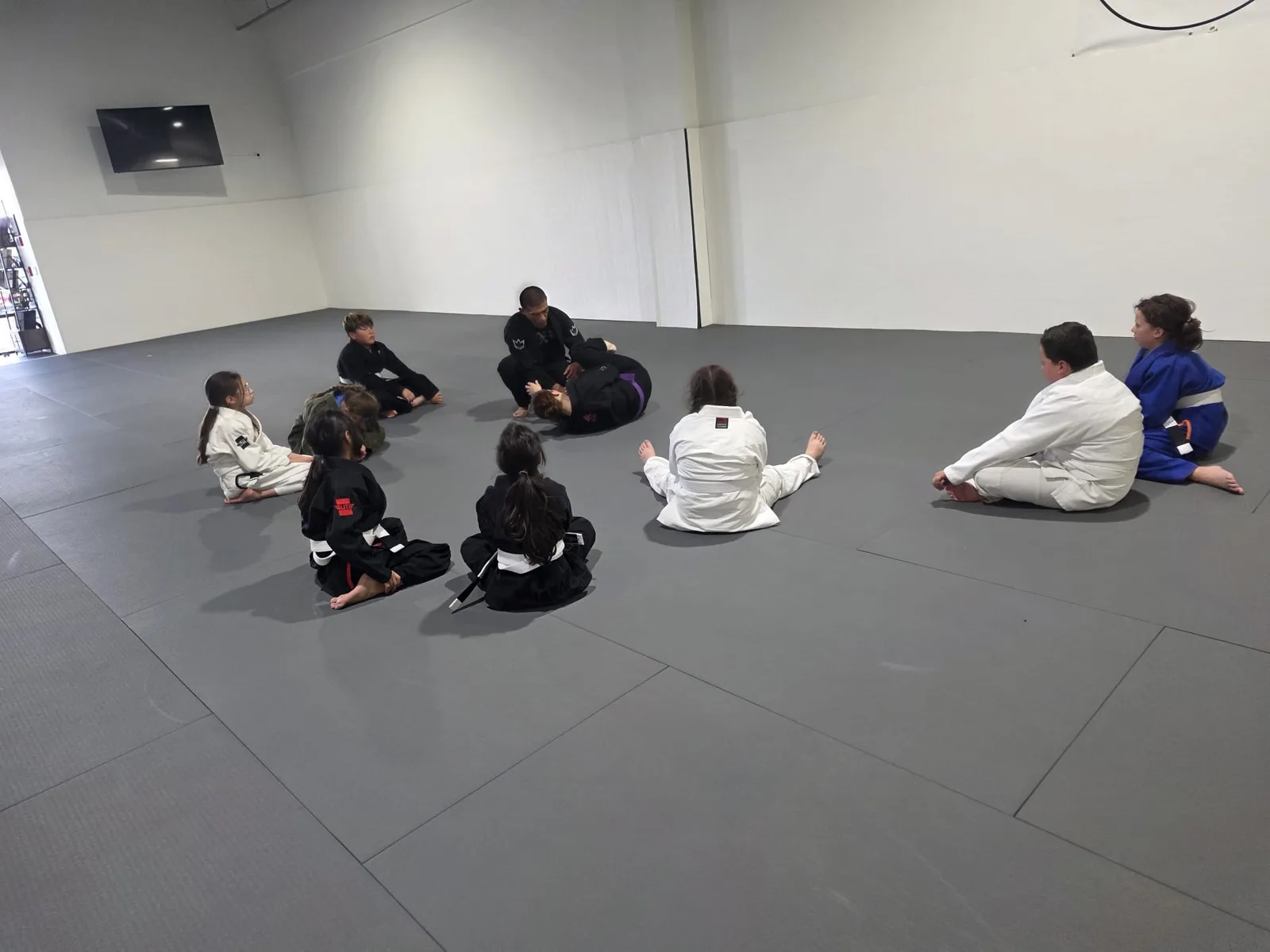
The Foundational Submissions Every Beginner Should Know
Start here. These four submissions are the backbone of jiu jitsu, and almost every other technique you learn will build on them.
Related: Best Jiu Jitsu Leg Submissions in Rio Rancho, NM
1. Rear Naked Choke
This is the king of submissions. You get behind your opponent, lock your arms around their neck, and apply pressure. It's safe when done right, incredibly effective, and works at every skill level. Learn this early and practice it constantly.
2. Armbar
You isolate your opponent's arm, control their elbow, and hyperextend the joint. You can hit this from the top, from your back, from side control, and about a hundred other positions. It's versatile and reliable.
3. Triangle Choke
Use your legs to trap your opponent's arm and neck, then squeeze. It's a puzzle that teaches you body mechanics and leverage. Plus, it looks cool when you finally nail it.
4. Cross-Collar Choke
Grab both sides of your opponent's collar and apply pressure to their neck from the front. This submission teaches you how to use grips and leverage, and it opens the door to dozens of advanced variations.
Core Submissions to Add After the Basics
Once you've got the foundational four locked in, these techniques fill out your arsenal and give you more options in different positions.
Americana (Keylock) - Control your opponent's arm and shoulder to apply pressure. Great from side control.
Loop Choke - Another collar choke variation that works especially well when your opponent thinks they're safe.
Knee Reaper (Leg Lock) - Attack the knee joint using your leg as a wedge. Requires careful control to stay safe.
Anaconda Choke - A brutal choke from front headlock position. Takes practice to set up, but it's extremely effective.
Arm Lock Variations - Straight arm locks, bent arm locks, and submissions from different angles. Each one teaches you something different about joint control.
Intermediate and Specialized Submissions
These techniques are for students with a few months of training under their belt. They require more precision and body awareness, but they're game-changers once you master them.
Omoplata, Ezekiel choke, guillotine choke, north-south choke, and heel hook variations all belong in this tier. Each one opens up new combinations and positional chains.
You'll also start exploring leg lock systems here. Calf slicers, ankle locks, and toe holds teach you to think about submissions beyond the upper body. Your legs are just as powerful as your arms when you know how to use them.
Advanced Submissions: The Specialty Techniques
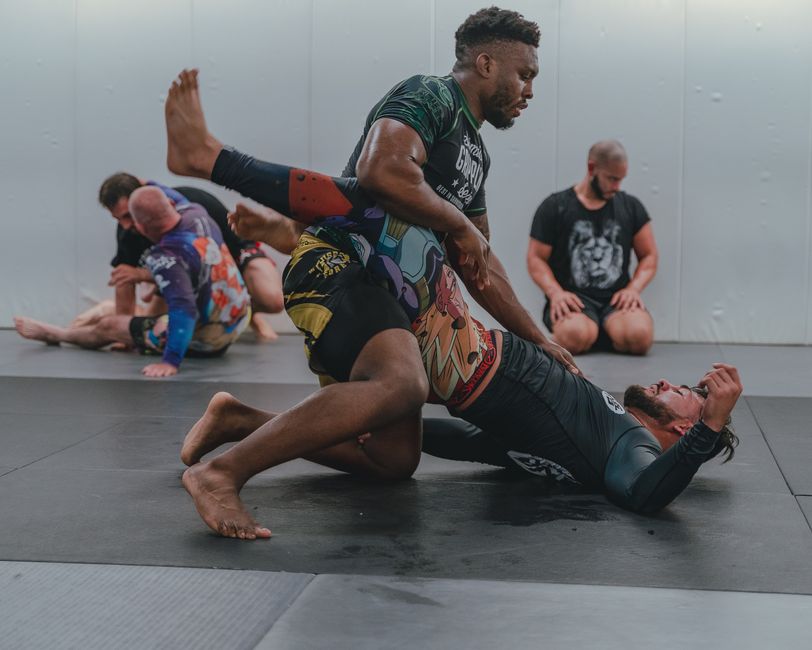
Once you've built a solid foundation, you can explore the flashy, high-level stuff. These are the submissions that make people say "where did that come from?"
Tarikoplata, monoplata, muffler choke, and woj lock fall into this category. They're rare, they require precise timing, and they work best when you've already mastered the basics so thoroughly that you can improvise under pressure.
Advanced leg lock systems also live here. Heel hooks, inside heel hooks, and intricate leg lock sequences are effective, but they demand respect and proper instruction. You need to understand the mechanics before you apply them against training partners.
Why the Order Actually Matters
You might be tempted to jump straight to the advanced submissions because they look cooler. Don't do that. The reason submissions are organized by difficulty isn't arbitrary. Each tier teaches you principles that make the next tier possible.
Foundational submissions teach you basic joint control and pressure. Intermediate submissions build on that to show you how to attack from unusual angles and combine techniques. Advanced submissions only work if you already know how to control a body, apply pressure smoothly, and read your opponent's reactions.
Start your BJJ journey off (Free Class)
Get Started Today →Skip the steps and you'll either hurt yourself, hurt your partner, or just miss the submission entirely. Training smart beats rushing through a jiu jitsu submissions list every single time.
Submission Selection: Not All Techniques Are Created Equal
Here's a secret that separates good competitors from average ones. Not every submission is equally effective in every situation. Some are better suited for specific body types, positions, or matchups.
Small people often rely on triangle chokes and foot locks because they generate leverage without requiring raw strength. Larger athletes might lean on cross-collar chokes and armbars where their size becomes an advantage. Fast thinkers exploit anaconda chokes and guillotines because timing matters more than setup.
As you progress, you'll naturally gravitate toward submissions that fit your style. Pay attention to which techniques you hit successfully, which ones feel smooth, and which ones require you to force things. Your body is smarter than you think.
Building Your Personal Submission Arsenal
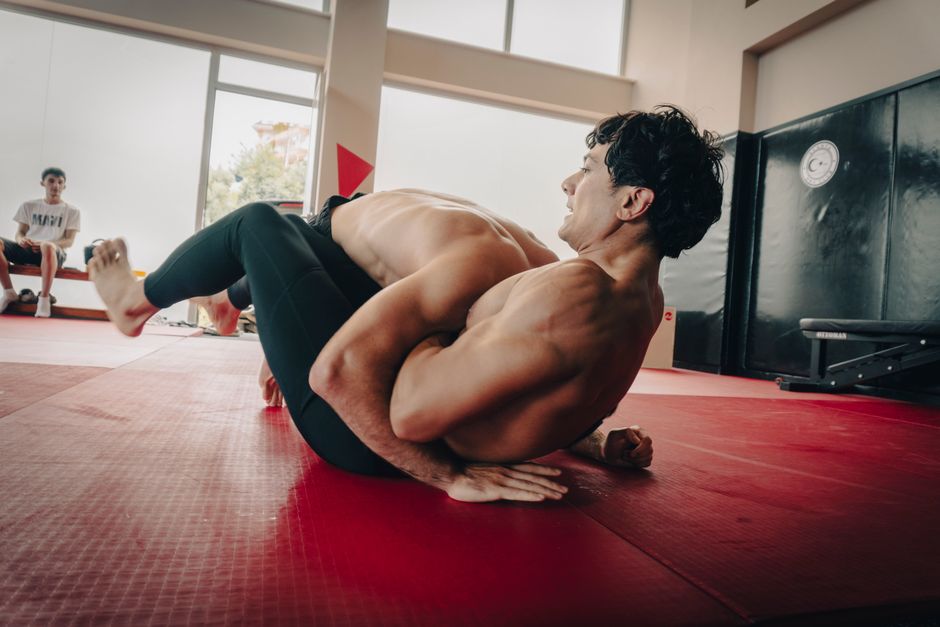
A complete jiu jitsu submissions list contains 37 or more documented techniques. You don't need to master all of them to be dangerous. The best competitors in the world have maybe five to seven core submissions they can hit from anywhere, and then another ten or fifteen solid backups.
Related: Jiu Jitsu Moves List: 20+ Essential Techniques for Beginners
Related: Jiu Jitsu Takedowns: Techniques & Tips for Beginners
Focus on depth before breadth. Get really good at the rear naked choke. Master it from every position. Understand all the entries, all the finishes, all the ways someone might defend it, and how to adjust. Then do the same thing with an armbar. Then a triangle.
By the time you've truly mastered four submissions, you're already more effective than most people in the gym. Everything else you learn after that is refinement and adaptation.
Safe Training Matters More Than Your Submission Count
The final piece: submissions only work well when you and your training partners stay healthy. That means tapping when you're caught. That means applying pressure gradually instead of explosively. That means respecting positions where your partner taps.
A training partner you respect and who trusts you is worth more than any single submission. You'll get more reps, higher intensity, and better feedback. Ego has no place on the mat.
If you're serious about building a real submission game, find a place where experienced instructors teach you how to apply these techniques safely. A coach who breaks down each submission, explains the mechanics, and corrects your form will save you years of trial and error. That's what makes the difference between learning a list of techniques and actually becoming skilled.
How to Start Learning Your First Submissions
Pick one foundational submission. Get your coach to break it down. Practice it every single class. Ask questions when something doesn't make sense. Tap out when you're caught so you can feel the position from the other side.
After a month or two, add a second submission. Then a third. By the time you're ready for intermediate techniques, you'll understand the principles that make submissions work instead of just copying movements.
Jiu jitsu is about continuous growth, and your submission game is no different. You're not trying to memorize a jiu jitsu submissions list. You're trying to become the kind of person who can adapt, problem-solve, and finish opponents safely when the moment calls for it. That takes time. It also takes the right environment and the right guidance.
People Also Ask
What's the easiest submission to learn first?
The rear naked choke is usually easiest because the mechanics are straightforward and it works against people bigger and stronger than you. Armbar is a close second. Both teach fundamental principles you'll use forever.
How long does it take to master a submission?
Three to six months of consistent practice to hit it reliably. A year or more to truly understand all the variations and adjustments. Don't rush it. Your training partners will respect technical excellence way more than sloppy speed.
Are leg lock submissions dangerous?
They require more technical precision than upper body submissions, which is why they're usually taught after you've got solid fundamentals. With proper instruction and controlled training, they're safe. Without that foundation, they're risky. Always train leg locks under guidance and with partners you trust completely.
Should I focus on submissions or positional control?
Both, but positional control comes first. You need to be in a good position to catch submissions. Many beginners chase submissions from bad positions and either miss them or get swept. Build control, then submissions flow naturally from that.
Start your BJJ journey off (Free Class)
Get Started Today →