

Kids Brazilian Jiu-Jitsu is one of the fastest-growing martial arts for children—and for good reason. It teaches your kid practical self-defense, builds mental toughness, and creates a sense of belonging on the mat. Unlike sports that bench half your team, BJJ lets every kid train, drill, and compete at their own level. If you're thinking about signing your child up, here's what you actually need to know.
What Is Kids Brazilian Jiu-Jitsu?
Brazilian Jiu-Jitsu is a grappling martial art focused on technique, leverage, and problem-solving. For kids, it means learning to control an opponent safely using body positioning rather than strikes or force.
Training centers on drilling—repeating techniques over and over until they become second nature. Your child learns escapes, takedowns, and submissions in a controlled, age-appropriate way. The goal is never to hurt; it's to master the art.
Kids classes emphasize fun, teamwork, and personal growth as much as technique. Every kid gets attention. Everyone rotates through partners. And everyone is encouraged to show up and improve at their own pace.
What Age Can Kids Start Brazilian Jiu-Jitsu?
Kids as young as 3 to 5 years old can begin training through intro programs designed for little learners. These classes focus on basic movement, listening, following directions, and having fun on the mat.
By age 6 to 7, kids are ready for structured technique training. At this stage, they start demonstrating real mental and physical discipline—they can follow more complex instructions, drill combinations, and understand the concept of practice leading to improvement.
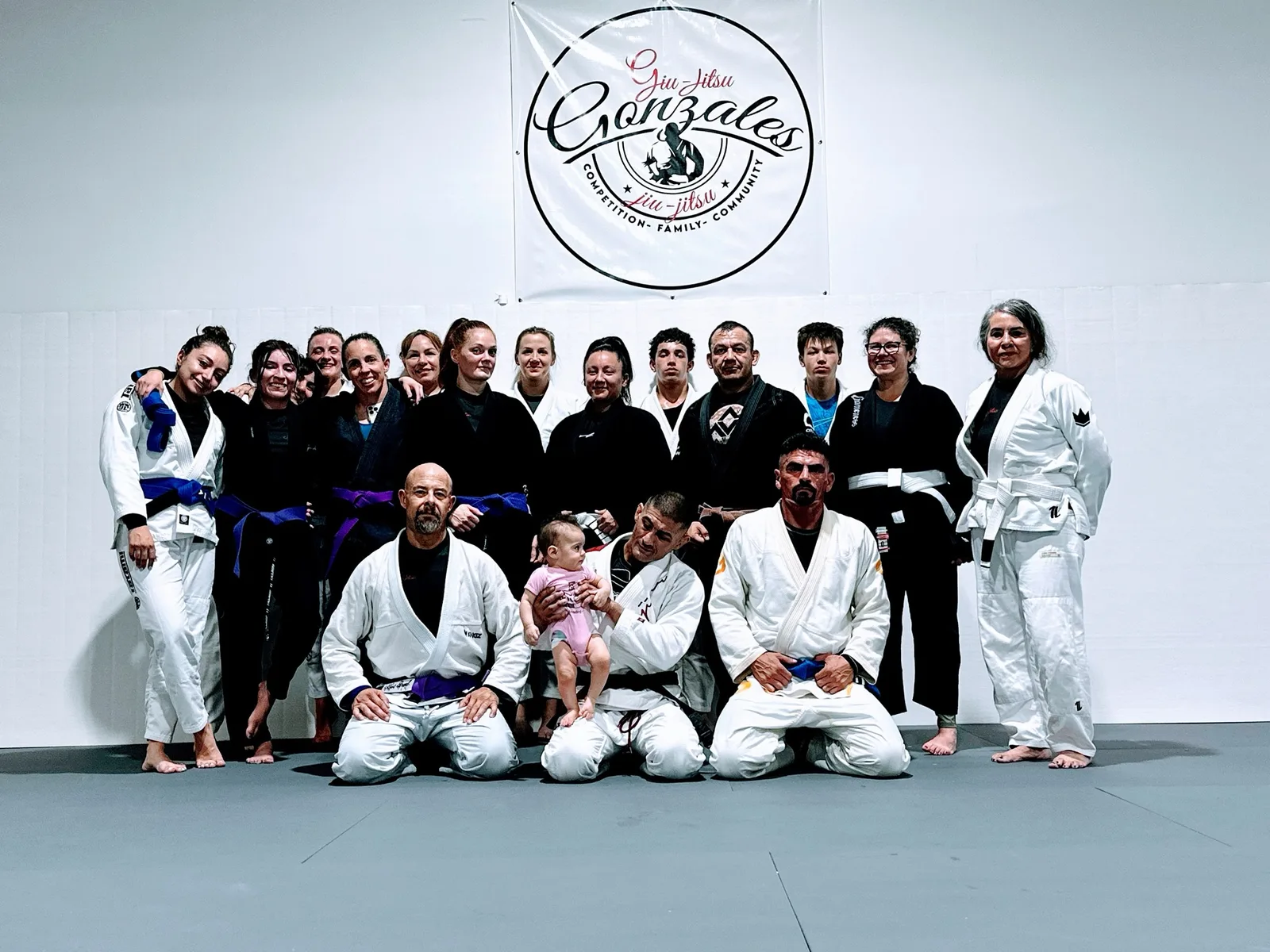
There's no upper age limit. Kids can train through middle school, high school, and beyond. Gonzales JJ welcomes all ages and skill levels, so your child grows at their own pace without pressure to compete before they're ready.
Physical Benefits of Kids Brazilian Jiu-Jitsu
BJJ builds real fitness in kids—the kind that actually sticks because they're having fun while getting stronger.
Related: Teens Brazilian Jiu-Jitsu: Benefits, Skills & Getting Started
Related: Gracie Jiu-Jitsu: A Beginner's Guide to Getting Started
Related: Brazilian Jiu-Jitsu for Youth: A Parent's Guide to Getting Started
- Core and full-body strength: Grappling uses every muscle. Your kid develops balance, coordination, and strength without boring gym workouts.
- Cardiovascular endurance: Drilling and rolling get the heart pumping. Kids build stamina naturally through movement they enjoy.
- Flexibility and mobility: Repeated drills improve how your child moves. Over time, they become more flexible and aware of their body in space.
- Better posture and body awareness: Training on the mat teaches kids how to hold their body with control. This often carries over to how they sit, stand, and move in everyday life.
The physical benefits happen because kids show up regularly and practice. It's not a magic pill—it's consistent training that transforms fitness over weeks and months.
Mental and Emotional Benefits

The real magic of kids Brazilian Jiu-Jitsu happens in the mind. BJJ teaches resilience, self-control, and confidence in ways that school and sports can't replicate.
Training means drilling the same technique 50 times. It means rolling with partners who are better than you. It means falling, getting stuck, and figuring out how to escape. Your child learns that struggle is part of learning—not a sign of failure.
This builds mental toughness. Kids develop the confidence to try hard things, accept they won't always win, and come back to the mat the next day ready to improve. Over time, this mindset spreads to school, friendships, and family life.
BJJ also teaches self-control. Classes have rules. Partners deserve respect. The mat is a place where everyone works together to get better. Kids learn discipline not because an adult forced it, but because they see it in action every time they train.
Character and Social Development
Brazilian Jiu-Jitsu is a practical tool for character building. Your child learns teamwork, respect, and resilience through training with partners who depend on them and vice versa.
Every drill is a collaboration. Every roll teaches humility. Kids learn to celebrate their training partners' wins because they know how hard the work is. They learn to handle losses with grace. And they learn that a strong community makes everyone better.
Many parents notice their kids become more confident, more respectful, and better at handling frustration after starting BJJ. That's because the mat teaches these lessons every single class—through action, not lectures.
How to Get Your Child Started in Brazilian Jiu-Jitsu
Ready to give your kid a shot? Here's how to move forward.
1. Find a family-friendly academy near you. Look for a gym that emphasizes technique, safety, and fun over competition pressure. You want instructors who focus on teaching fundamentals and building confidence in young students.
2. Watch a kids class before signing up. See how the instructor talks to kids. Notice whether the environment feels calm and focused or chaotic. Pay attention to how beginners are treated compared to advanced students. A good gym makes everyone feel welcome.
3. Ask about class structure and age groups. Different academies organize kids classes differently. Some split by age, others by skill level. Find out what works for your child.
4. Start with a trial or intro class. Your kid should get on the mat and feel it out. Most gyms offer a first class free or cheap so you can see if it's the right fit.
5. Commit to consistency. BJJ isn't like drop-in sports. Kids benefit from training 1 to 3 times per week on a regular schedule. Pick a frequency you can actually maintain, and stick with it for at least 4 to 6 weeks before deciding whether it's working.
If you're in the Rio Rancho or Albuquerque area, Gonzales JJ offers kids classes that balance technique, fun, and community—founded by world-champion instructors Abie and Laura Gonzales who understand what it takes to build young athletes into confident, disciplined kids.
Start your BJJ journey off (Free Class)
Get Started Today →What Your Child Needs to Get Started
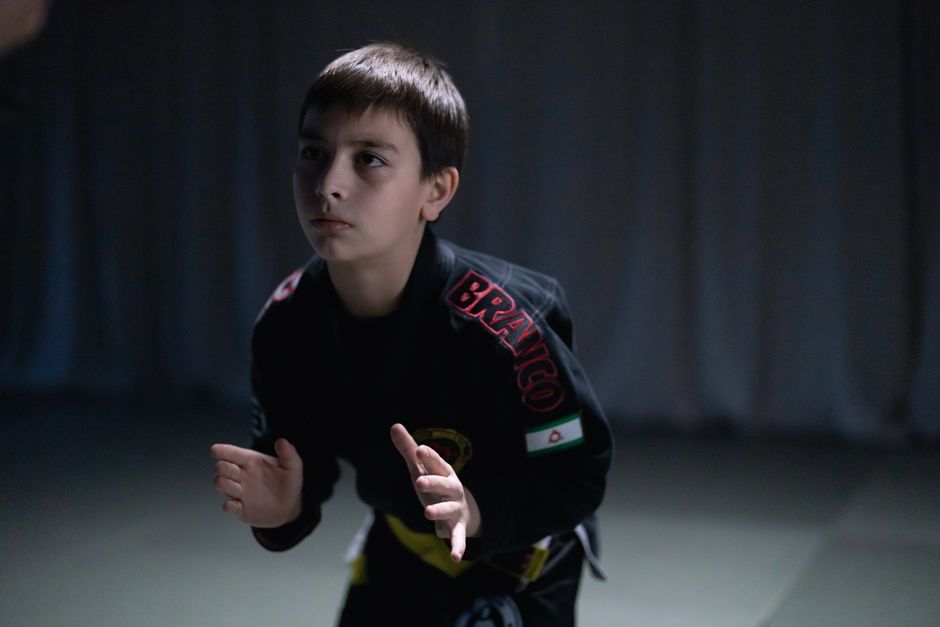
You don't need much to begin. Here's what to have ready:
- A gi (pronounced "ghee"): This is the white uniform worn during class. Most academies sell or recommend gis, or you can find them online. A decent one lasts years.
- A water bottle: Kids get thirsty. Bring water to every class.
- Clean nails and no jewelry: For safety reasons, your child should have trimmed nails and remove any rings, necklaces, or bracelets before training.
- An open mind: Every kid feels nervous on day one. That's normal. The nervousness fades fast once they're on the mat drilling with other kids their age.
You don't need fancy gear or expensive equipment. A simple gi and a good attitude is enough to start.
Common Questions About Kids Brazilian Jiu-Jitsu
Is kids Brazilian Jiu-Jitsu safe?
Yes, when taught correctly. Classes for young kids focus on fundamentals and drilling—not hard rolling or submission techniques that could cause injury. Partners learn to tap out (signal they're uncomfortable) before anything hurts. Instructors watch constantly and stop anything that looks unsafe. Injuries happen in any physical activity, but BJJ academies that prioritize technique over ego create an environment where safety comes first.
Can my shy kid handle Brazilian Jiu-Jitsu?
Absolutely. In fact, BJJ is great for shy kids. Training doesn't require you to yell or perform in front of crowds. You drill with a partner, improve at your own pace, and build confidence quietly. Many parents report their introverted kids flourish in BJJ because they can be themselves while getting stronger and more skilled.
Will my child have to compete?
No. Competing is completely optional. Some kids love tournaments and train toward them. Others train for fitness, fun, and self-defense and never step on a competition mat. A good academy like Gonzales JJ supports both paths without judgment. Your kid chooses what feels right.
How long before my child gets good at Brazilian Jiu-Jitsu?
You'll see progress within weeks—better coordination, more confidence, improved focus. Real technical skill takes longer. Most kids train consistently for several months to a year before they feel truly competent. But the journey matters as much as the destination. Every class teaches something, and every kid gets better just by showing up.
Start your BJJ journey off (Free Class)
Get Started Today →