
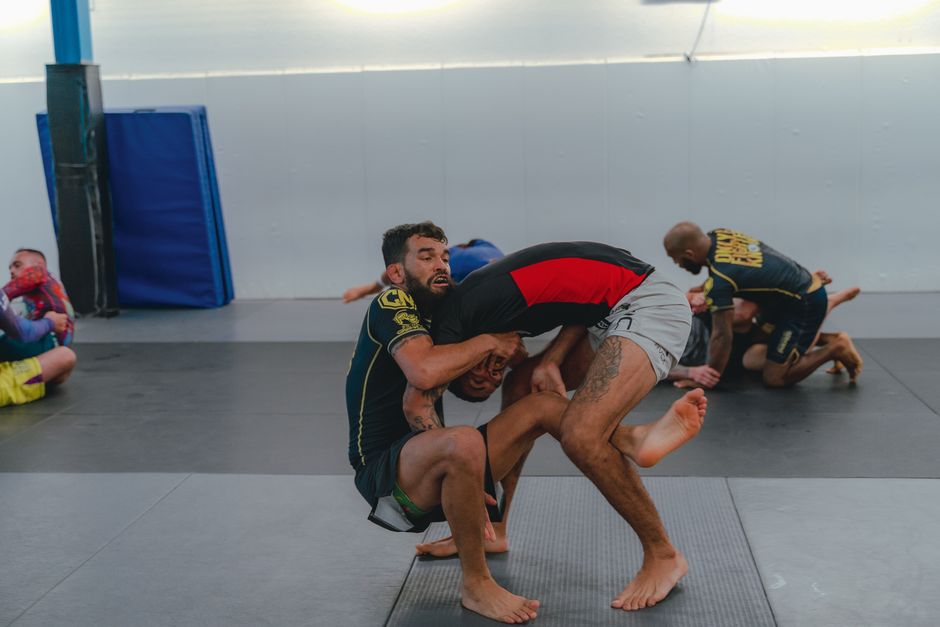
When you're starting Brazilian Jiu-Jitsu, the idea of learning every submission can feel overwhelming. But here's the truth: you don't need to memorize 50 techniques on day one. A solid list of Brazilian Jiu-Jitsu submissions starts with the basics and builds from there.
This guide walks you through the submissions you should actually focus on, organized by skill level and real-world effectiveness. Whether you're a white belt or training for competition, knowing which submissions to drill first will speed up your progress and give you a clearer path forward.
The Four Essential Submissions Every Beginner Should Learn
If you only learn four submissions in your first year, make them these. They show up in every class, they work at every skill level, and they're the foundation for everything else you'll do later.
1. Rear Naked Choke (Mata Leão)
This is the most important submission in Jiu-Jitsu. Once you get someone's back, the rear naked choke finishes the fight. You hook one arm under their chin, lock your hands, and squeeze. It's simple, effective, and works from day one all the way to the highest levels of competition.
2. Armbar (Straight Armbar from Guard)
Control your opponent's arm, trap it across your body, and hyperextend their elbow. The armbar works from multiple positions, but learning it from the guard (when your opponent is on top of you) is the best starting point. It's one of the first submissions people learn because the mechanics are clear and the leverage is huge.
3. Triangle Choke
Use your legs to choke someone instead of your hands. You trap their arm and head between your legs and squeeze. The triangle is devastating because once you set it up correctly, they can't escape. Plus, it teaches you how to use your lower body for control, which is a huge part of Jiu-Jitsu.
4. Guillotine Choke
When someone shoots in for a takedown, you can catch them in a guillotine. Wrap your arms around their neck and squeeze. It's one of the fastest finishes in Jiu-Jitsu and works well when you're defending against pressure.
These four are your foundation. Once you drill them regularly, you'll see why Gonzales JJ emphasizes technique-focused training from the start. Repetition builds muscle memory, and these submissions are worth the repetition.
High-Frequency Competition Submissions
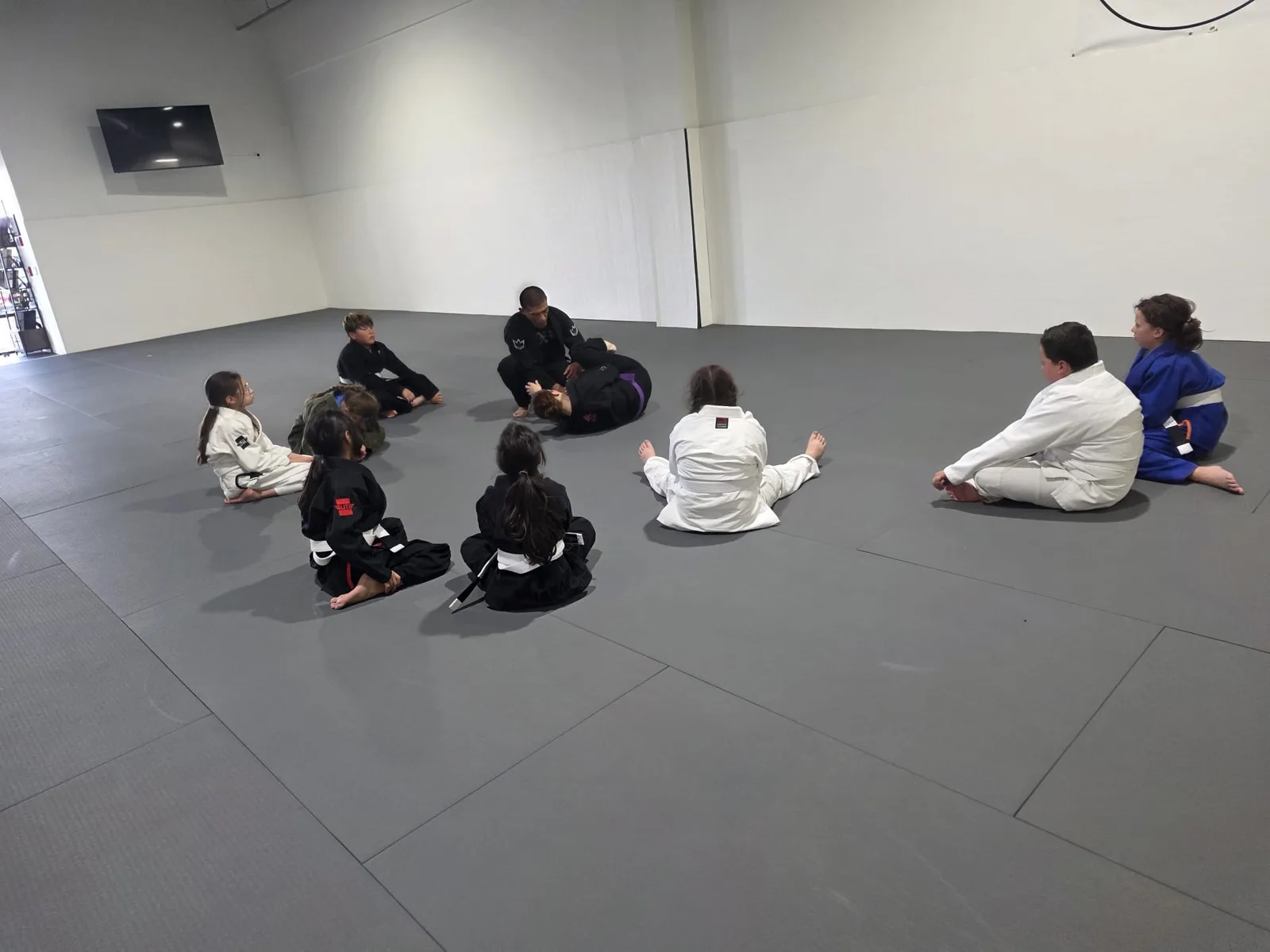
Once you're comfortable with the basics, these three submissions show up constantly in real matches. Coaches focus on them because they actually finish fights.
Arm Triangle Choke
Similar to a regular triangle, but using your arm instead of your leg. You pin their arm against their neck and squeeze with your arm and shoulder. It's especially useful from side control or when you're on top of your opponent.
D'Arce Choke
This is a variation of a choke that works from front headlock or top control positions. It's popular in competition because it catches people off guard and finishes quickly. Once you understand the mechanics of the rear naked choke, the D'Arce becomes much easier to learn.
Kimura
A shoulder lock that hyperextends your opponent's shoulder joint. You control their arm and use your body weight to apply pressure. The Kimura is one of the most versatile submissions because it works from so many positions and it's hard to defend once you understand the grip.
Additional Effective Submissions Worth Learning
After you've got the core submissions solid, add these to your toolkit. They're not as fundamental, but they work well and open up your game.
- Bow and Arrow Choke - A choke from back control using your opponent's collar
- Cross Collar Choke - Uses both hands to grab the collar and choke from top position
- Anaconda Choke - A front headlock choke that's fast and effective
Advanced and Specialized Submissions
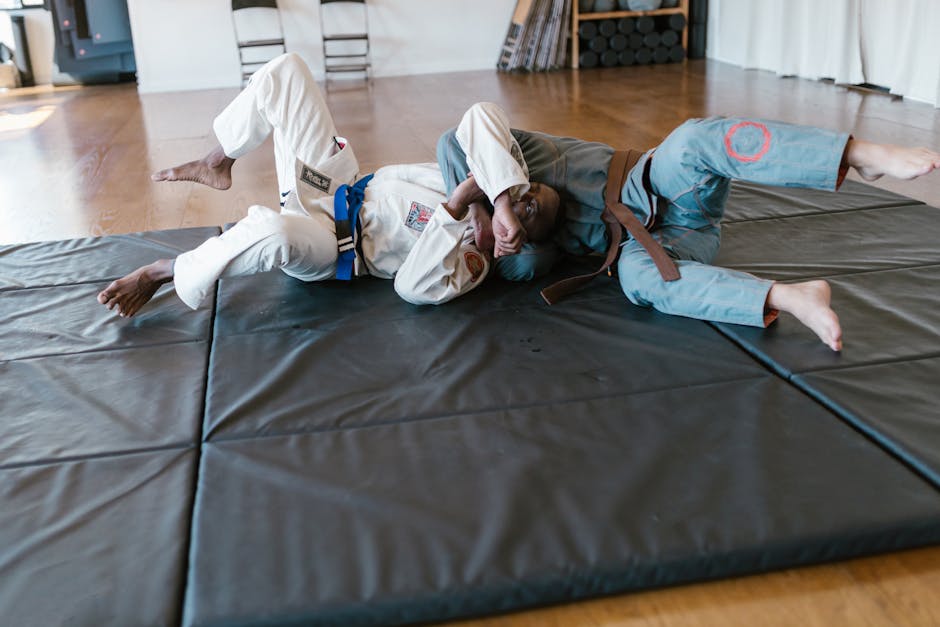
These are for people who have solid fundamentals and want to expand their game. They require better timing, grip strength, and positional awareness.
- Knee Bar - A leg lock that attacks the knee joint, popular at higher belt levels
- Tarikoplata - An armlock from the legs that looks flashy but requires precision
- Monoplata - Another leg-based armlock used in advanced competition
- Muffler - A choke variation that catches people by surprise
- Woj Lock - A neck crank / choke combo (note: legality varies by ruleset)
- Loop Choke - A collar choke using your opponent's lapel
How to Train Submissions Effectively
Knowing the list of Brazilian Jiu-Jitsu submissions is one thing. Training them the right way is everything.
Start your BJJ journey off (Free Class)
Get Started Today →Related: Brazilian Jiu-Jitsu in Albuquerque, New Mexico: A Complete Guide
Related: Brazilian Jiu-Jitsu Guards: Complete Beginner's Guide
Related: Brazilian Jiu-Jitsu Weight Classes: Complete Guide
Start with the four foundations and drill them over and over. Your instructor should show you multiple entries to each submission so you can apply them from different positions. The more angles you see, the faster you'll recognize opportunities in live rolling.
Then gradually add one or two new submissions each month. Don't try to learn everything at once. Quality repetitions beat quantity every time.
When you roll with partners, try to set up your submissions cleanly instead of forcing them. This builds good habits and keeps everyone safer. Jiu-Jitsu is about control and technique, not raw strength, especially as you're learning.
If you want personalized guidance on which submissions fit your body type and style best, training with experienced instructors who focus on technical progression makes a huge difference. That's where structured technique-focused training really pays off.
Submissions by Position
Here's a quick reference: where are these submissions most effective?
From Guard (you're on your back)
- Armbar
- Triangle Choke
- Guillotine Choke
From Top Position / Side Control
- Arm Triangle
- Kimura
- Cross Collar Choke
From Back Control
- Rear Naked Choke (the king of back control)
- Bow and Arrow Choke
- Loop Choke
From Front Headlock
- D'Arce Choke
- Anaconda Choke
- Guillotine Choke
Focus on Fundamentals First
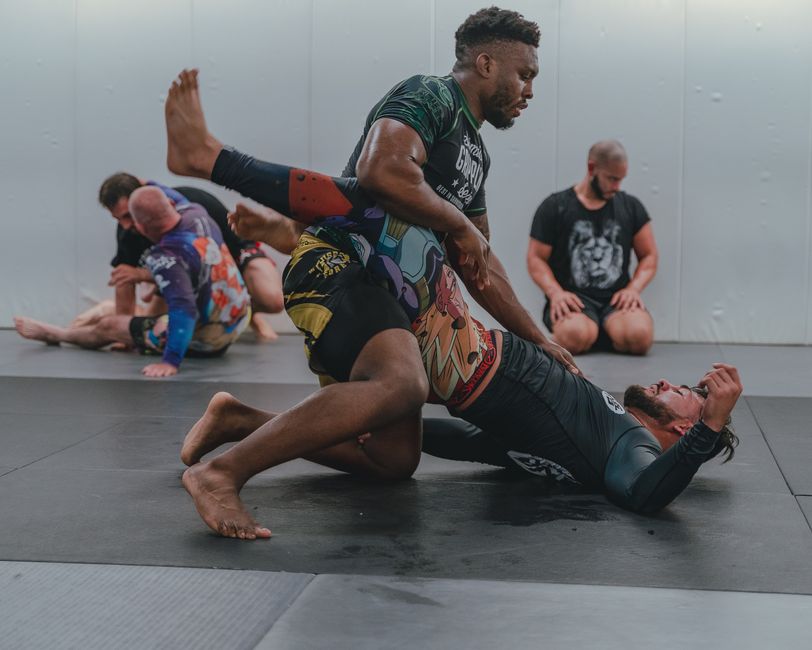
The biggest mistake beginners make is trying to learn too many submissions too fast. You end up with sloppy technique and bad habits that are hard to break later.
Pick the four essential submissions and drill them at least 3-4 times a week. Learn multiple entries and defenses. Understand why the submission works, not just how to do it. Once these feel natural, add one new submission and repeat.
Your progress speeds up when you build a solid foundation. This is why technique-focused training matters so much. Every session should build on what you learned before, not throw random new moves at you.
Competitive vs. Training Submissions
One more thing to know: not all submissions are legal at every belt level. White and blue belts have restrictions on certain leg locks and heel hooks. Check your ruleset before trying to finish a match with an advanced submission.
In training, though, your instructor can teach you these techniques safely. You learn the mechanics, practice on compliant partners, and develop the feeling for when and how to use them. By the time you're at a level where you can use them in competition, you'll know them well.
Why Does Submission Order Matter?
Because you're building a skill. The rear naked choke and armbar are like your ABCs in Jiu-Jitsu. Everything else is built on understanding how leverage, positioning, and control work. When you learn submissions in the right order, each new one connects to what you already know.
Can You Use Every Submission on Day One?
Technically, yes. But should you? No. Your coach will guide you toward submissions that fit your current belt level and experience. As a white belt, you might learn the rear naked choke, armbar, triangle, and guillotine. As a blue belt, you add arm triangle and Kimura. The progression keeps you challenged without overwhelming you.
How Long Does It Take to Master a Submission?
That depends on how often you train and how much you drill. Basic competency might come in a few months. Real mastery—understanding entries, defenses, transitions, and finishes from multiple angles—takes years. The good news is that Jiu-Jitsu is a long game. You're supposed to keep learning.
What's the Easiest Submission to Land in Competition?
The rear naked choke. Once you control someone's back, they're in serious trouble. It's one of the highest-percentage finishes because there's almost no good defense once the position is locked in. That's why every training program emphasizes back control and the rear naked choke from day one.
Start your BJJ journey off (Free Class)
Get Started Today →