

Passing the guard in jiu-jitsu is one of those fundamentals that separates beginners from people who actually know what they're doing on the mat. When your opponent wraps their legs around you, you're in their territory. Your job is to break that control, move past those legs, and establish a dominant position. Let's walk through how to do it right.
The key to successful guard passing isn't raw strength or aggression. It's about understanding pressure, timing, and movement. You need to control the distance, anticipate your opponent's reactions, and move with purpose. When you get these pieces right, even a smaller person can pass a much stronger guard.
Related: Passing the Guard in Brazilian Jiu-Jitsu: Complete Beginner's Guide
Related: How to Pass the Guard in Jiu Jitsu: Essential Techniques
Related: Jiu Jitsu Guard Passing: 5 Core Techniques to Master
Understand the Fundamentals of Guard Passing
Before you learn specific passes, you need to understand what you're actually trying to do. Your goal is simple: move your upper body and hips past your opponent's legs so you can get to side control or mount position. That's it.
To get there, you need three things working together:
- Pressure: You're not trying to muscle through. You're applying steady, controlled pressure that limits your opponent's options.
- Distance control: You want to stay close enough to control them, but not so close that they can lock you into a tighter guard.
- Timing: Your movements need to flow. When your opponent shifts their weight or adjusts, that's your moment to advance.
A lot of people try to pass by just pushing hard or moving fast. That doesn't work against someone who knows what they're doing. Controlled, methodical passing beats wild energy every single time.
The Smash Pass: Your Most Reliable Technique
The smash pass is exactly what it sounds like. You're using your weight and pressure to collapse your opponent's guard, then sliding past their legs. This pass works against almost everyone, including people with really strong leg strength.
Here's how it works:
- Get tight to your opponent. Pin their knees or thighs down with your upper body and arms.
- Use your torso and chest to smash their knees toward one side of their body. You're not yanking their legs. You're pressing them down and to the side.
- As their guard collapses, step your leg across and slide your hips past theirs.
- Settle into side control or mount, depending on how they respond.
The beauty of the smash pass is that it doesn't rely on leg strength or flexibility. You're using your positioning and body weight instead. Even when an opponent is strong or has good leg control, pressure from the right angle will break it down.
One common mistake is getting pulled too deep into the guard while you're setting up. Maintain your distance control. You want to be close enough to pass, but not so close that they can lock around your neck or pull you further into their guard.
Standing Guard Passes and Distance Management
Sometimes your opponent will have a standing guard or will start flailing and spinning when they feel pressure. This is actually a different animal. You can't just smash through this one.
When your opponent is actively moving their legs and adjusting, a controlled approach beats direct engagement. Here's what to do:
- Stand up if you're not already standing. This gives you leverage and keeps you out of their leg range.
- Maintain controlled distance. Don't rush in.
- Watch their hips and upper body. These tell you where they're going before their legs get there.
- Step to the side as they move. You're redirecting their energy rather than meeting it head-on.
- When you see an opening, move your leg past theirs and drop into side control.
The key is patience. Your opponent will eventually tire, get out of position, or make a small mistake. When that happens, you move fast. But until then, you control the distance and wait.
The Camping Technique: Strategic Positioning Over Aggression
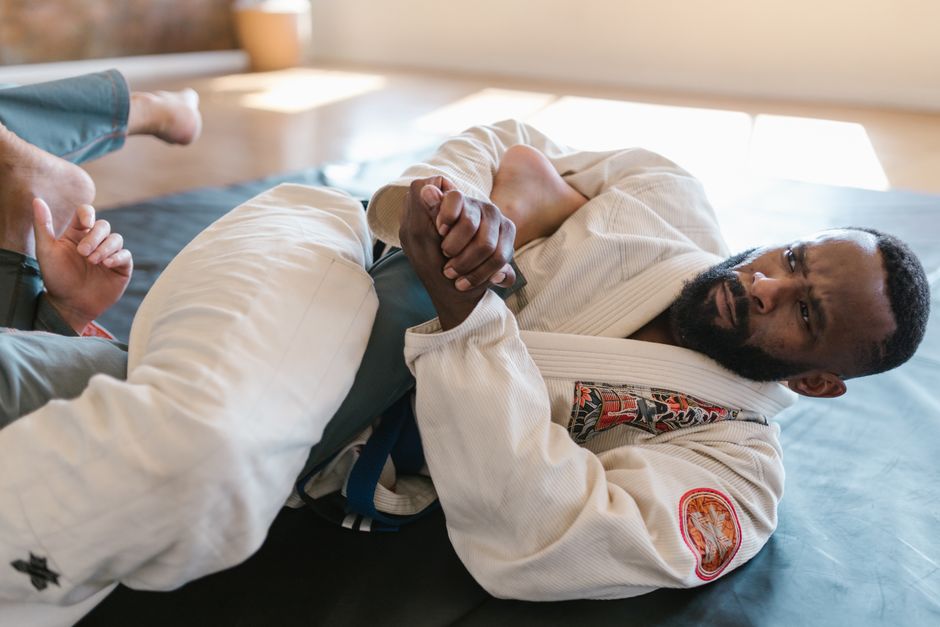
Camping is a guard passing method that doesn't get as much attention as the smash or the standing pass, but it's incredibly useful. It's about strategic positioning and patience rather than forcing your way through.
With the camping technique, you're not trying to blow past the guard immediately. Instead, you:
- Get heavy on top of their legs while keeping your hips back.
- Control their upper body with your arms and hands.
- Apply steady pressure. Your opponent is stuck. They can't move. They're uncomfortable.
- Wait for them to shift or adjust. The moment they do, you take the opening and pass.
This method is less flashy than a quick smash pass, but it works. It's also great for building patience and pressure-based jiu-jitsu, which is one of the most reliable skills you can have.
Movement, Timing, and Pressure Work Together
None of these techniques work in isolation. You need all three pieces working at the same time.
Movement is your footwork and positioning. Are you stepping to the right angle? Are you setting up your pass from a solid base? Timing is about reading your opponent. When do they shift their weight? When are they off-balance? Pressure is the force you're applying. It needs to be relentless but controlled.
The best guard passers in jiu-jitsu aren't the strongest athletes. They're the people who have spent thousands of reps learning how to combine these three things. They know exactly when to move, where to step, and how much pressure to use.
If you want to develop these skills, you need to train consistently and drill the fundamentals. Gonzales JJ focuses on technique-driven training, which means you'll learn how to pass the guard the right way from day one.
Start your BJJ journey off (Free Class)
Get Started Today →
Build a Core Set of Passes, Not Every Variation
There are dozens and dozens of guard passes in jiu-jitsu. You don't need to learn all of them. In fact, trying to learn every variation is a waste of time.
Instead, pick three or four passes that work for your body type and style. Master them. Drill them hundreds of times. When you're really good at a few techniques, they become weapons. You'll hit them in sparring, in competition, and in real training.
A smart training approach is to master the smash pass, a standing pass, and one or two other variations that feel natural to you. Once those are automatic, you can explore other options. But start with the fundamentals and get really, really good at them.
This is the philosophy behind technique-focused training at Gonzales JJ. Instead of throwing a million techniques at students, we build a strong foundation with reliable, core skills that actually work.
Common Mistakes When Passing the Guard
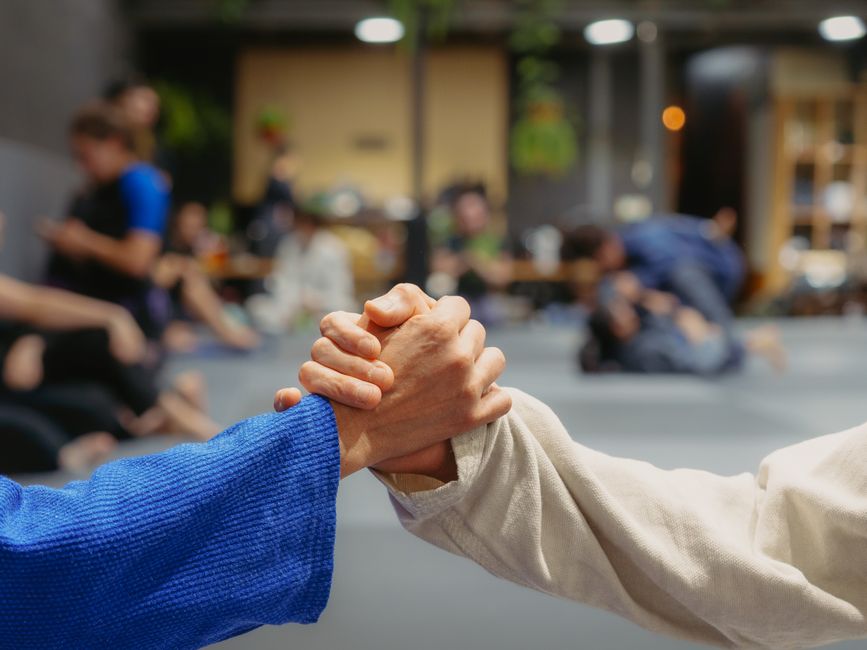
Here are the things that hold people back from being good at guard passing:
- Going too fast: You don't need to be explosive. Controlled and methodical beats wild and fast.
- Not staying tight: Space is your enemy. Keep your body close to theirs.
- Relying on strength: Technique always beats strength. If you're muscling through, you're doing it wrong.
- Ignoring pressure: Pressure is your best friend. Use it constantly.
- Getting frustrated: Guard passing takes time to learn. Stay patient and keep drilling.
Everyone makes these mistakes at first. You'll get pulled into bad positions, get swept, get caught in submissions. That's part of learning. The people who improve fastest are the ones who make mistakes, learn from them, and adjust.
How to Practice Guard Passing Effectively
You can't just learn guard passing in theory. You need to drill it and spar it constantly.
Start with drilling. Pick one pass. Do it over and over with a partner who's cooperating. Your partner shouldn't be resisting hard. The goal is to groove the movement pattern into your muscle memory. After 50, 100, 200 reps, the pass becomes automatic.
Then move to sparring. Now your partner is resisting. This is where you learn timing and how to adjust when things don't go exactly as planned. Sparring is messier and harder than drilling, but it's essential.
The best way to improve is consistent, focused training over time. Short sessions of quality drilling beat long, unfocused sessions every single time. Show up regularly. Work on the fundamentals. Stay patient with yourself.
Train With Purpose and Consistency
Guard passing is a skill that takes time to develop. There's no shortcut. But if you focus on the fundamentals, understand the role of pressure and timing, and drill consistently, you'll get good faster than you think.
Your approach should be simple: master a few core passes, understand why they work, practice them constantly, and spar to test what you've learned. This is how real jiu-jitsu skills are built.
If you're serious about developing your guard passing and overall jiu-jitsu game, find a training environment where technique-focused instruction and consistent drilling are part of the culture. That's where real progress happens.
People Also Ask
What is the easiest guard pass to learn?
The smash pass is usually the easiest guard pass to learn because it doesn't require fancy footwork or flexibility. You're applying pressure and body weight, which most people understand intuitively. Drill it a few times and you'll start getting the mechanics right.
Can you pass the guard with leg strength alone?
No. Leg strength helps, but it's not the main ingredient. Pressure, timing, and technique matter way more. Even a person who's not physically strong can pass a strong guard by using the right technique and positioning.
How long does it take to get good at passing the guard?
It depends on how often you train and how focused you are. If you drill three or four times a week and take it seriously, you'll start seeing real improvement in a few months. Mastery takes years, but solid basic passing takes dedication and patience.
Should I learn multiple guard passes or focus on one?
Focus on a few core passes first. Pick three that feel natural to you and drill them until they're automatic. Once you're really good at those, you can learn other variations. Quality reps on a few passes beat sloppy reps on twenty different passes.
Start your BJJ journey off (Free Class)
Get Started Today →