
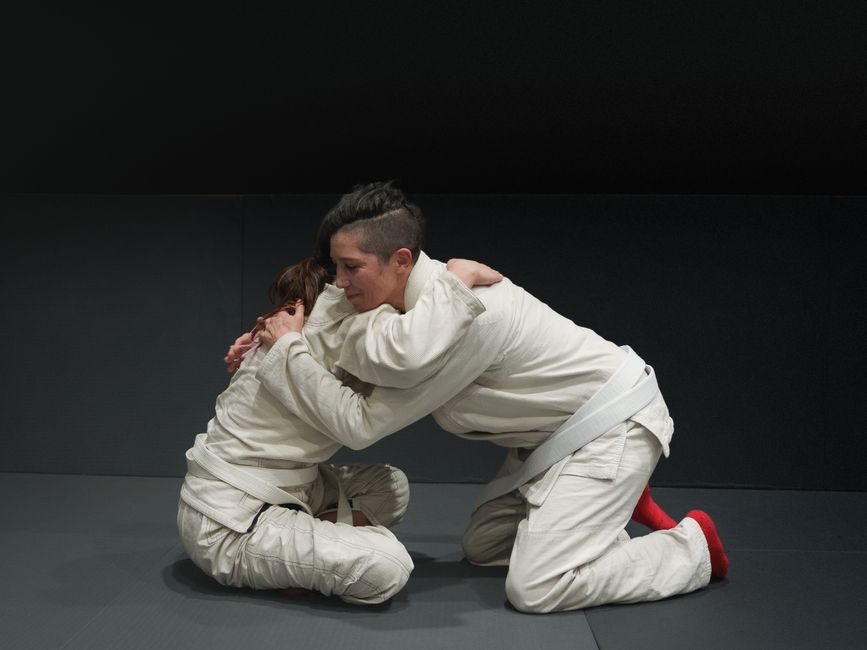
Guard passing in jiu jitsu is all about breaking your opponent's guard structure and moving past their legs to establish a dominant position. It sounds simple, but it takes deliberate practice to get it right. The good news? Anyone can learn to pass the guard effectively, regardless of strength or size, as long as you nail the fundamentals.
Let's walk through the core techniques that will transform your top game.
Related: How to Pass the Guard in Jiu-Jitsu: Techniques That Work
The Knee Cut Pass
The knee cut is probably the most popular guard pass in modern jiu jitsu. Here's how it works: you start in your opponent's guard with good posture. Step one leg back and position your knee across their hips. The key is to keep your upper body posture strong and your weight forward.
Now, drive your knee toward their hip while keeping their legs pinned beneath you. As you do this, circle your upper body around to establish side control. The knee cut works because you're using leverage and positioning, not raw strength.
Practice this slowly first. Get the step right. Feel where your knee needs to go. Too many people rush the technique and end up back in the guard or getting swept. Take your time with the mechanics.
The Leg Drag Pass
The leg drag is sneaky and powerful. Start in their guard and grab one of their legs (usually the one closest to you). Drag that leg across your body while maintaining control of their other leg with your shin or knee.
As you drag, your hips move away from their body. This breaks their guard structure because you're controlling both legs at once. Once they're stacked on one side, you slide into side control or knee on belly.
The leg drag teaches you an important lesson: sometimes you don't pass by going straight forward. You pass by controlling their legs and moving your own hips to a new angle.
The Toreando Pass
The toreando (or bullfighter) pass is all about speed and positioning. You stand up in your opponent's guard, grab both their knees, and push them to one side. Your goal is to collapse their legs flat against their body while you step around them.
Timing matters here. You want to push their knees when they're not expecting it. If they're defending actively, wait for them to relax slightly. Then push hard and step to the side quickly.
The toreando teaches you about rhythm and timing. It's not the strongest pass, but it's fast. That speed can catch people off guard and create openings.
The Horse Kick Pass

This one is great when your opponent has long legs or is being really defensive with their guard. From your opponent's guard, control their legs by pressing down on their knees. Then drive your hips forward explosively while keeping their legs pinned.
Your legs do the work here, not your arms. You're literally using your lower body to smash through their guard. Once their legs are compressed, circle around to side control.
The horse kick reminds you that leg strength matters, but it's the control and timing of where you apply that pressure that really counts. Anyone with strong legs can be passed if you use the right technique.
The Double Under Pass
The double under is a classic that never gets old. You thread both your arms under their legs, grab your hands together behind their back, and drive forward. This pass gives you tons of control because you're wrapped around them.
As you drive forward, keep your head up and your posture strong. Don't let them pull your head down into their chest. Stay upright and keep moving until you're in a dominant position like side control or mount.
The double under is perfect for beginners because it teaches you the importance of control before you try to pass. You're not just pushing legs around. You're establishing grips and positioning first.
The One Thing That Matters Most: Posture
Before you drill any of these passes, understand this: posture is everything. Keep your shoulders back, your head up, and your hips engaged. If you slouch forward or let your opponent pull you down, nothing works.
Bad posture is the reason most guard passes fail. You can have perfect foot placement and perfect hand control, but if your posture breaks down, you're getting swept or submitted.
Every single time you practice guard passing, make posture your first priority. Once that's locked in, the technique flows naturally.
Control the Legs Before You Pass
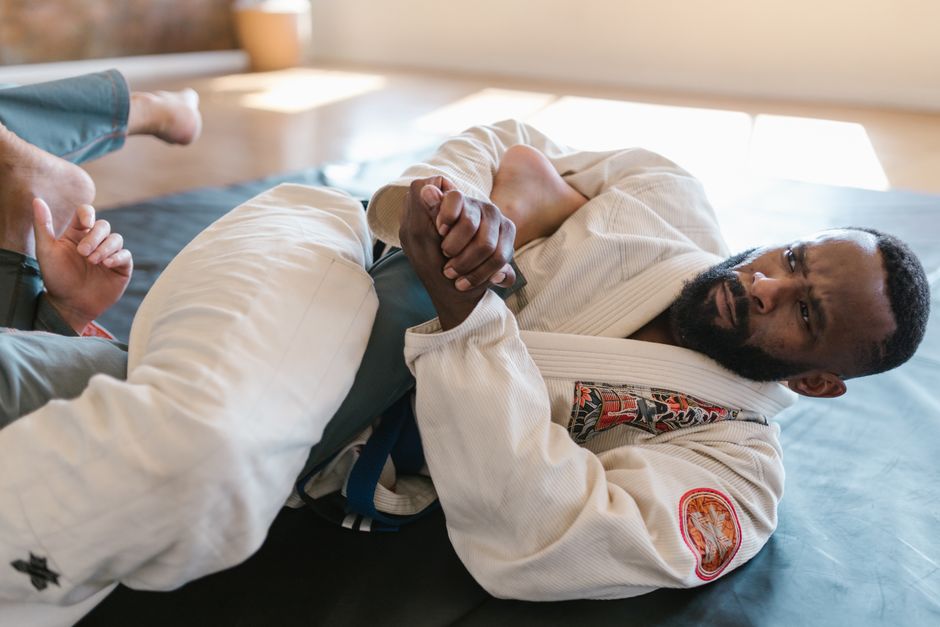
Here's a mistake beginners make: they try to pass without controlling their opponent's legs first. Your opponent will flail, spin, reposition, and make your life miserable.
Related: Jiu Jitsu Takedowns: Techniques & Tips for Beginners
Related: Jiu Jitsu Escapes from Mount: 5 Core Techniques
Related: Jiu Jitsu Moves List: 20+ Essential Techniques for Beginners
Related: Jiu Jitsu Submissions List: 37+ Techniques Explained
Related: Jiu-Jitsu Positions: A Beginner's Guide to Core Techniques
Before you attempt any pass, smash their knees to one side. Pin their legs. Break their guard structure. Once you've done that, the actual pass is easy.
Think of it this way: you're not trying to jump over their legs. You're trying to eliminate their ability to use their legs as a defense. That's the real work.
Timing and Leverage Beat Strength Every Time
You don't need to be the strongest person in the room to pass the guard. You need to understand timing and leverage.
Timing means waiting for the right moment to attack. Leverage means using your positioning and technique to make the pass easier than it should be. Gonzales JJ emphasizes these principles because they level the playing field. A 150-pound person with perfect timing and leverage will pass a 200-pound person with bad technique.
Start your BJJ journey off (Free Class)
Get Started Today →
Stop relying on strength. Start relying on position.
Adaptability: Your Secret Weapon
Your opponent will react to your passes. They'll shift their weight. They'll pop their hips. They'll try to frame on your chest. This is where adaptability comes in.
Learn the five core passes so well that you can feel what your opponent is doing and switch between them. If the knee cut isn't working, maybe the leg drag will open up. If they're defending the toreando, the double under might catch them off guard.
The best guard passers aren't the ones who know 50 different passes. They're the ones who know five really well and can adjust based on what their opponent does.
Practice Slowly to Build Real Skill
This is non-negotiable: practice slowly. Don't go 100% intensity when you're learning a new pass. Slow drilling builds muscle memory and technique. Speed and intensity come later.
When you drill slowly, you feel where the technique works and where it breaks down. You learn the exact angles and pressures needed. You build foundation that actually lasts.
If you want to get serious about improving your guard passing game, Gonzales JJ offers technique-focused instruction that teaches you these fundamentals the right way, from the ground up.
Bringing It All Together
Guard passing isn't complicated. It's control, positioning, timing, and technique. Master the knee cut, leg drag, toreando, horse kick, and double under pass. Keep your posture tight. Control the legs first. Practice slowly. Adjust based on what your opponent does.
That's the recipe. Everything else is just details.
What's the easiest guard pass to learn first?
The double under pass is usually the easiest because it teaches you control before speed. You wrap both arms around your opponent's legs, establish grips, and then drive forward. It doesn't require as much footwork or timing as the knee cut or toreando. Start here, nail the mechanics, then move to the more technical passes.
Why do I keep getting swept when I try to pass the guard?
Sweeps usually happen because your posture broke down or you didn't control their legs before attempting the pass. Keep your shoulders back and your head up. Smash their knees to one side before you commit to the pass. If you're still getting swept, slow down your drilling. Feel where the technique is breaking, then fix that specific part.
Does leg strength matter for guard passing?
Leg strength helps, but it's not the main thing. Proper technique and positioning matter way more. A weaker person with excellent positioning and timing will pass a stronger person with bad technique. Focus on getting the position right first. Strength amplifies good technique, but it doesn't replace it.
How long does it take to get good at guard passing?
This depends on how often you train and how deliberately you practice. Most people see real improvement in their guard passing within three to six months of consistent, focused drilling. But progress isn't linear. You'll have breakthroughs, plateaus, and frustrating periods where nothing works. That's normal. Keep drilling and the technique will come.
Start your BJJ journey off (Free Class)
Get Started Today →