
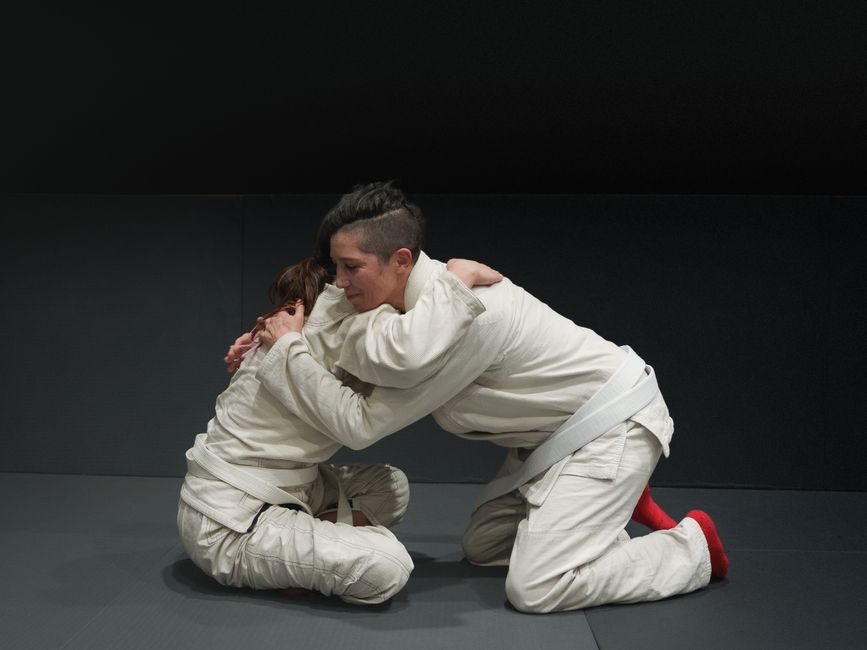
Side mount (also called side control or cross mount) is one of the most practical dominant positions in Brazilian Jiu-Jitsu. It's where you're lying across your opponent's body, controlling them from the side rather than directly on top. This position is especially effective if you're smaller or don't have the upper body strength for a traditional mount, but it works for everyone.
Why Side Mount Matters in Your BJJ Training
When you land in side mount, you've already won most of the battle. Your opponent is flattened, immobilized, and has very few escape options. From here, you can set up submissions, transition to even better positions, or simply hold them down and win by control points.
The position feels especially powerful for smaller grapplers. If you're working with someone heavier or stronger, you don't need to bench press them off your chest like you would from mount. Instead, your hips and body weight do the work, making size matter a lot less.
Related: What to Wear to Jiu Jitsu: A Beginner's Guide
Related: BJJ Jiu Jitsu: A Beginner's Guide to Getting Started
Related: Weight Training for Jiu Jitsu: The Complete Guide
Whether you're training for competition or self-defense, side mount is a position you'll use constantly. Learning how to control it and transition from it should be a priority in your early BJJ journey. When you train at Gonzales JJ, technique-focused instruction breaks down these fundamentals so you build a solid foundation.
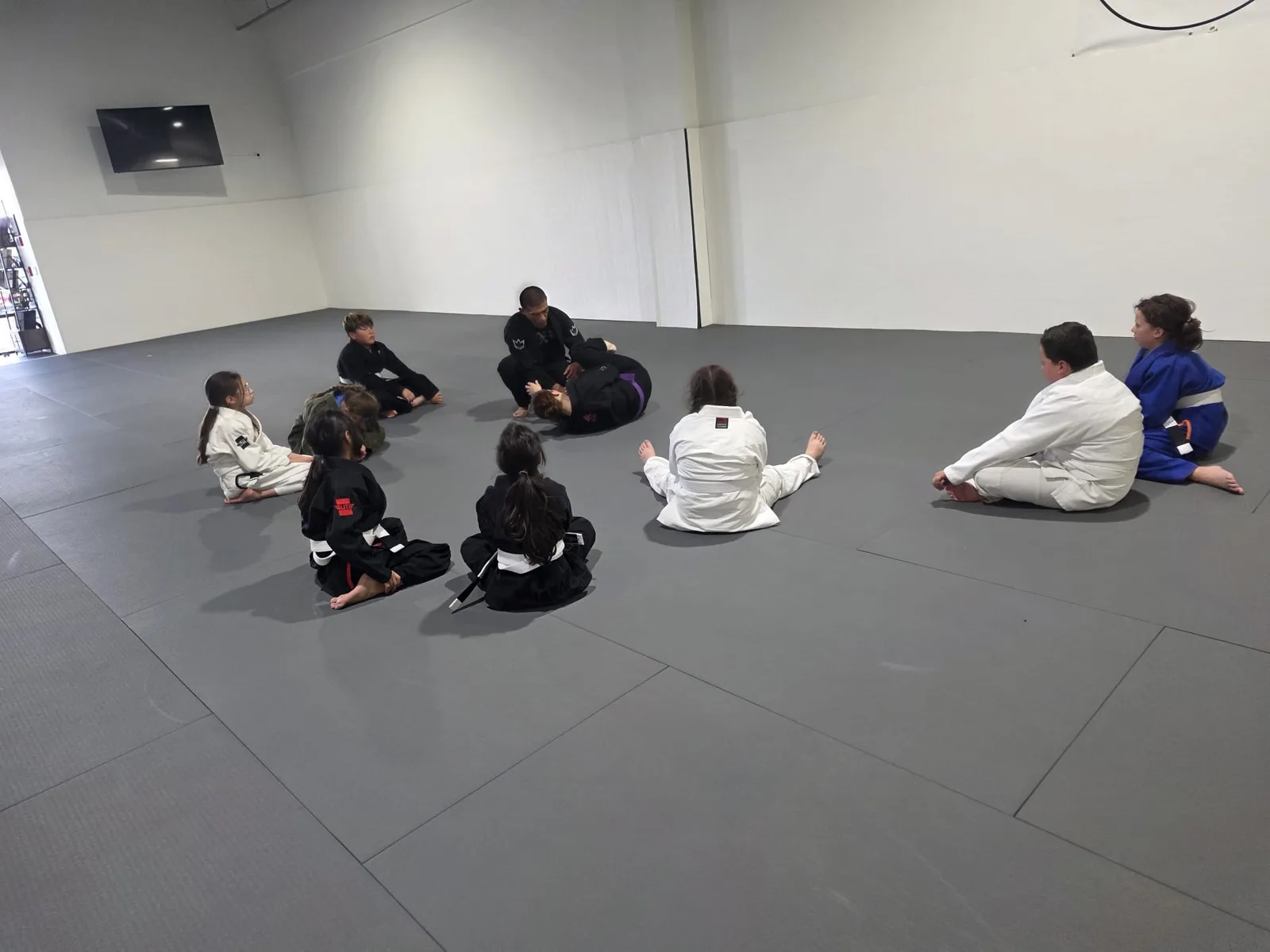
Getting Into Perfect Side Mount Position
The setup matters. You want to stand parallel to your opponent's body, not perpendicular. This is the key detail most beginners miss.
When you're parallel, your hips are aligned with theirs. This lets you use your entire body weight to keep them flat and prevents them from bridging or turning into you. If you're perpendicular (at a right angle), you're giving them space to escape.
Once you're in position, win the inside position with your hip. This means your hip should be closer to their center than theirs is to yours. You're basically sliding your body across their torso while controlling their far arm.
From here, lock in a body lock around their floating rib (the area under their armpit). This adds another layer of control and makes it almost impossible for them to roll or create space. Your grip should be tight but sustainable so you're not gassing out before you transition or submit.
Control Techniques That Keep Them Stuck
Once you're positioned correctly, your control comes from pressure and positioning, not just grip strength.
Keep your head heavy on their chest. Your head is a weapon here. It pins their upper body and prevents them from squirming upward. Don't rest it so hard that you're both uncomfortable, but use it as an anchor point.
Your legs should be spread wide for base. The wider your base, the harder you are to sweep or roll. Keep one leg extended toward their feet and the other toward their head to maximize stability.
Control their far arm. This is the arm that's farther away from you. If you let them use it, they can push you away or start setting up escapes. Pin it to their body or wrap it with your arm to neutralize it.
Transitioning From Side Mount to Mount Position
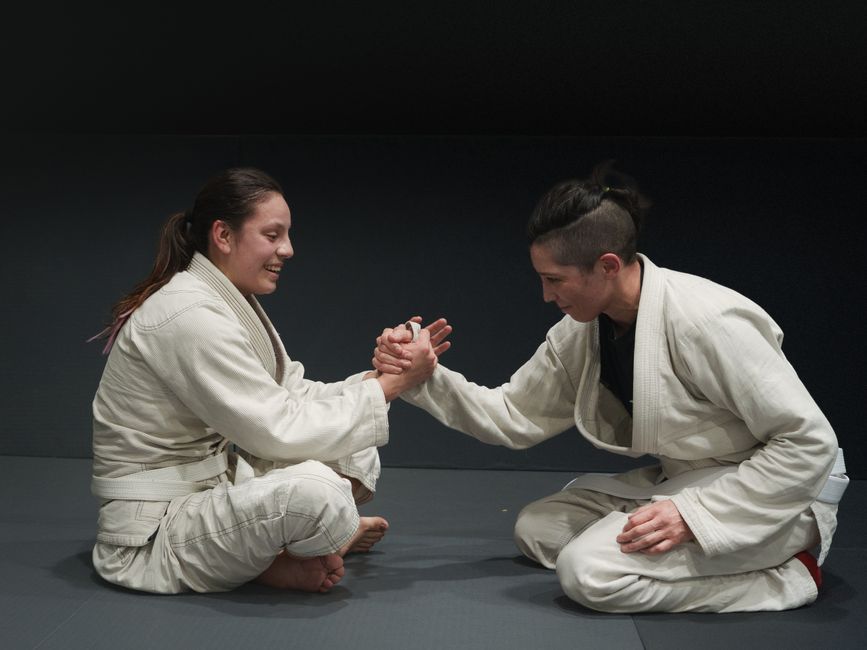
Side mount is great, but mount is even better. There are multiple ways to transition, and the specific technique depends on how your opponent is reacting.
The most common transition is the knee slice. You slide your top leg across their torso while keeping pressure on their chest. As they react by pushing back, you step over with your other leg and slide into mount. This works because you're using their own momentum against them.
Another option is to isolate their arm and walk your hips up their side. As you move higher, you're gradually transitioning into a higher mount position. This is slower but more controlled, and it works well against opponents who are actively resisting.
The key is that you already have control. You're not starting from neutral. You're just refining your dominant position into an even stronger one. Visual demonstrations are the best way to learn these transitions, especially when you can see the exact hip movement and weight distribution. Contrasting colored gis make these details way easier to follow, so ask your instructor to show you with different colored partners if possible.
If you want personalized instruction on these transitions and how to make them work for your body type, Gonzales JJ focuses on technique-based training that breaks down exactly how to execute these movements step by step.
Start your BJJ journey off (Free Class)
Get Started Today →Common Side Mount Mistakes to Avoid
Positioning perpendicular instead of parallel is the biggest error. It gives your opponent an escape route you didn't intend to give them. Check your alignment every time.
Relying too much on grip strength also backfires. If you're squeezing with your arms instead of using your body weight, you'll tire out. Let gravity and pressure do the work instead.
Lifting your head off their chest seems small, but it immediately opens an escape. Keep it planted and heavy.
Not controlling their far arm is another leak. You'd be surprised how much damage an opponent can do with just one free arm. Neutralize it immediately.
Drilling Side Mount to Build Muscle Memory
You can't just learn side mount once and be done. You need to drill it repeatedly so your body remembers the position without thinking.
Start with positional drills where your partner is already in side mount and you practice your transitions. Do one transition 10 times, then switch to the next technique. Your muscles need repetition to lock in the movement pattern.
Progress to positional sparring where your partner gets to defend and escape, but you start in side mount. This is how you learn to handle real resistance and adjust your technique on the fly.
Finally, roll full rounds and practice applying side mount in the context of a complete match. This trains your instincts for when to transition, when to submit, and when to hold position for points.
Side Mount in Competition vs. Training
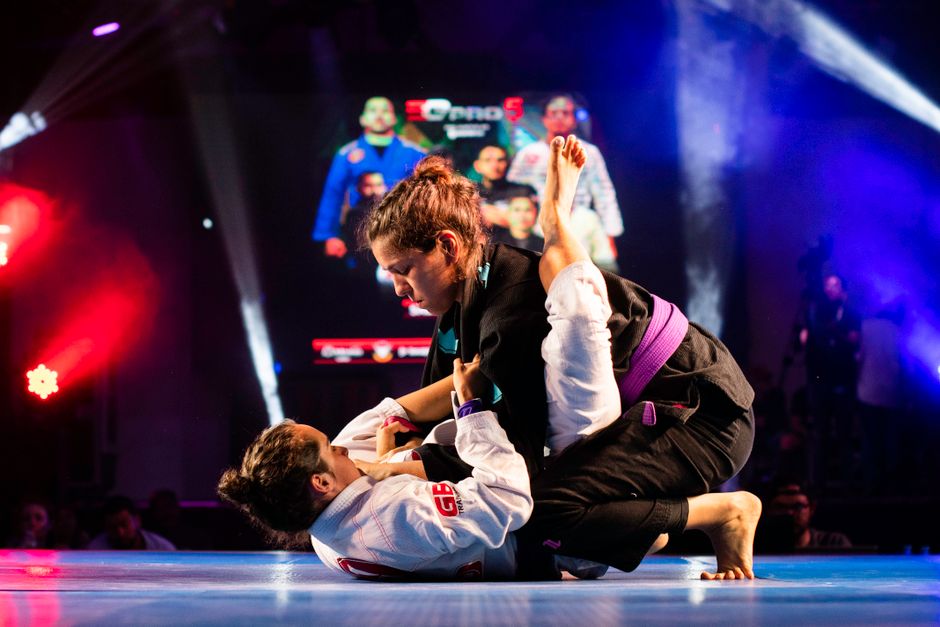
In competition, side mount control is worth points. The longer you hold it, the more dominant you look. But you'll also want to transition to mount or set up submissions to finish the match decisively.
In training, side mount is a teaching position. You use it to practice control, build confidence, and learn transitions without having to go all-out. It's safer than a scrambling exchange and lets you focus on technique.
Either way, mastering the fundamentals of side mount makes you a better grappler. Everyone grows and competes together when you have solid positions to build from. That's the philosophy behind training at a gym that values technique and personal development over ego-driven rolling.
People Also Ask
What's the difference between side mount and side control?
They're the same position. "Side mount" and "side control" are interchangeable terms in BJJ. You'll hear both used equally. Some people also call it cross mount because you're lying across your opponent's body.
Can you submit from side mount?
Yes. Side mount is a perfect position for setting up arm locks, shoulder locks, and chokes. The submissions available depend on how your opponent is defending, but the position gives you tons of options. You have control, so you can work at your pace and set traps.
Is side mount better than mount?
Mount is considered the superior position overall because you have even more control and submission options. But side mount is more practical for many grapplers, especially smaller ones or those without heavy upper body strength. Use side mount as a stepping stone to mount, or stay there if it's working perfectly.
How do you escape side mount?
The main escapes are bridging (pushing your hips upward to create space), turning into your opponent (reducing the pressure on your chest), and using your legs to shrimp (hip escape) toward safety. But that's a conversation for another guide. Right now, focus on controlling it before worrying about getting out of it.
Start your BJJ journey off (Free Class)
Get Started Today →