
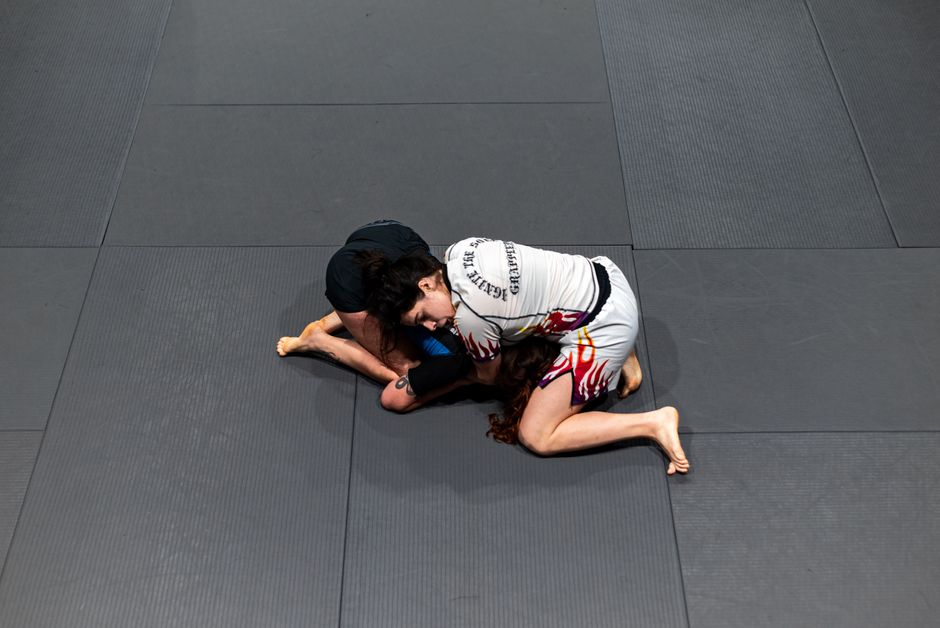
Brazilian Jiu-Jitsu (BJJ) is a grappling-based martial art that teaches you how to control a resisting opponent through technique, positioning, and leverage rather than raw strength or size. If you've ever wondered what BJJ jiu jitsu actually is or whether it's right for you, the short answer is: it's a practical, inclusive martial art that works for almost everyone, from kids to adults, athletes to first responders.
What Is BJJ Jiu Jitsu, Exactly?
BJJ jiu jitsu focuses on ground fighting and submission techniques. Unlike striking-based martial arts, you'll spend most of your time on the mat learning how to position your body, escape bad situations, and safely control opponents using joint locks and chokes.
The core principle is simple: proper technique beats strength every time. A smaller, well-trained person can defend against or submit a larger, untrained opponent. That's what makes BJJ jiu jitsu so appealing. You don't need to be naturally athletic or have years of training experience to begin.
Related: No Gi Jiu Jitsu: Complete Beginner's Guide to Training
Related: Kids Jiu Jitsu: Benefits, Training Basics & Getting Started
Related: Brazilian Jiu Jitsu for Adults: A Complete Getting Started Guide
Related: What Is No Gi Jiu Jitsu? A Beginner's Guide
Related: Full Guard Jiu Jitsu: Complete Beginner's Guide
When you train, you'll learn fundamental positions like mount, guard, side control, and back control. From each position, you'll practice escapes, transitions, and submissions. The beauty of BJJ is that there's always something new to learn, even after years of training.
How Does BJJ Jiu Jitsu Training Actually Work?
Most BJJ classes follow a similar structure. You'll start with a warm-up, move into technique instruction, and then finish with drilling or live sparring (called "rolling").
During technique time, your instructor breaks down a move step-by-step. You'll practice the movement slowly with a partner who's cooperating with you. This builds muscle memory and understanding without the intensity of full resistance.
Drilling is when you repeat a technique over and over with a partner at moderate intensity. Rolling is live sparring where both partners resist fully, but under safety rules. You tap when a submission is locked in tight, and everyone stops.
Most gyms organize students by belt level and experience. Beginners work with beginners and lower belts. As you progress, you'll move into intermediate and advanced classes. At Gonzales JJ, classes are structured so everyone grows and competes together, regardless of where you're starting from.
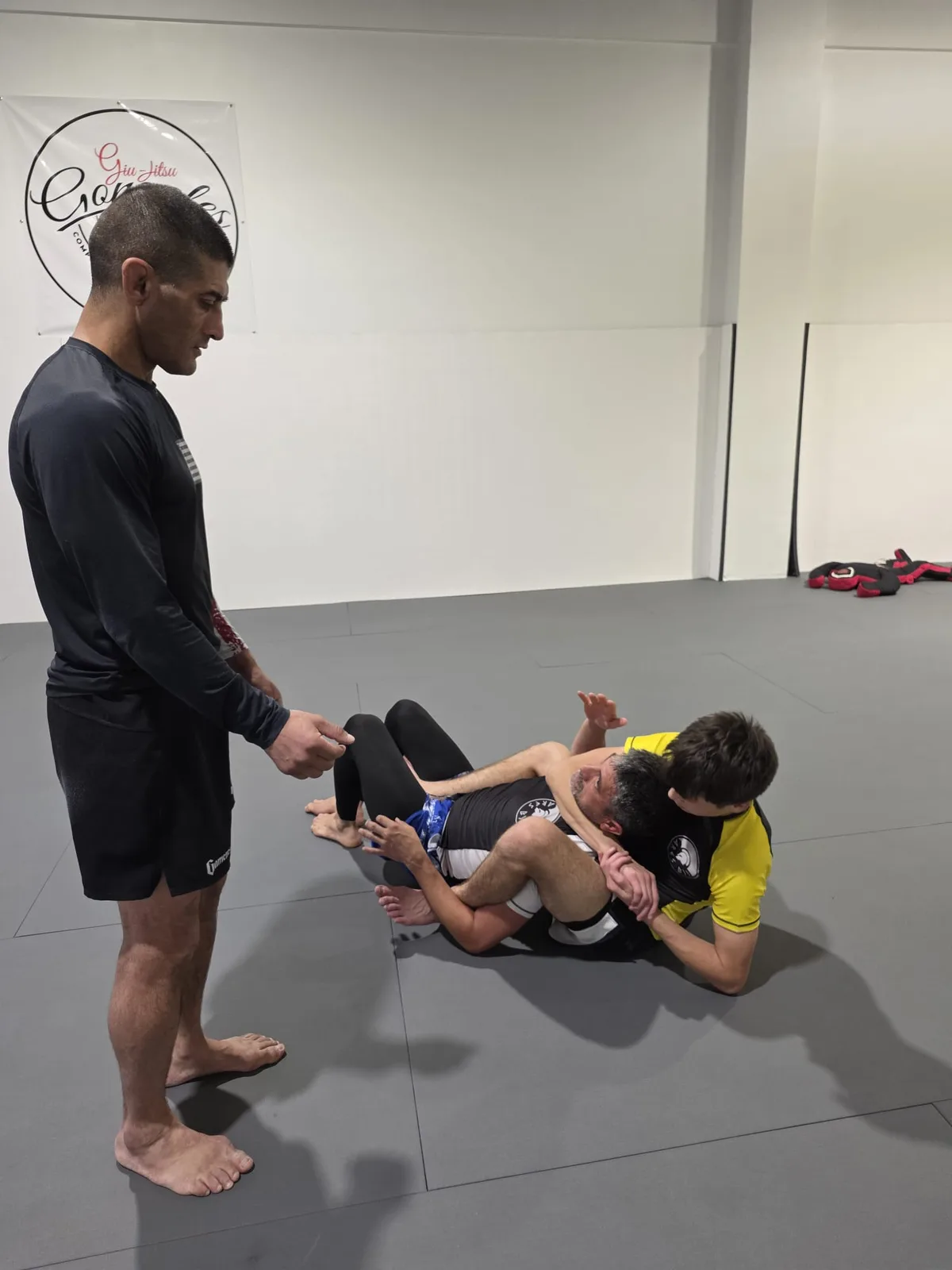
Why Should You Start BJJ Jiu Jitsu?
The reasons people start BJJ are as diverse as the students themselves. Here are the most common motivations.
Self-Defense: BJJ gives you practical, real-world skills. You learn how to escape holds, control someone on the ground, and defend yourself if you're taken down. This matters for anyone concerned about personal safety.
Physical Fitness: BJJ builds strength, speed, endurance, and flexibility. A typical class burns calories and works muscles you didn't know you had. Over time, you'll notice improvements in your overall athletic ability.
Mental Discipline: Training in BJJ jiu jitsu teaches patience, problem-solving, and resilience. You'll face challenges on the mat that force you to think strategically and stay calm under pressure. These skills carry over to life off the mat.
Confidence and Personal Growth: Mastering a difficult skill builds genuine confidence. Kids especially benefit from learning self-discipline and standing up to bullying. Adults find a sense of accomplishment in setting goals and achieving them through consistent training.
Community: BJJ gyms tend to be welcoming environments. You're working alongside people who share your goals, supporting each other through challenges, and celebrating wins together. It's not a solitary sport.
What Do You Need to Get Started?
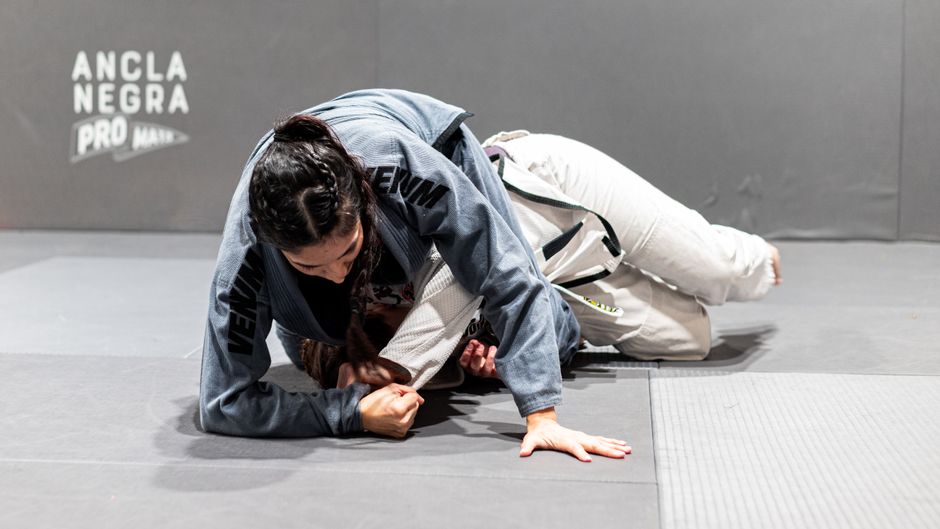
Physically, you need almost nothing. Most gyms provide loaner gis (the traditional white uniform) when you start. Eventually, you'll want your own gi, a rashguard, and athletic shorts. But that's a small investment once you're committed.
Mentally, you need patience and consistency. BJJ jiu jitsu isn't learned in a week. Mastering even basic techniques takes weeks and months of practice. But that's also part of the appeal: there's always a new skill to chase, always progress to be made.
If you're ready to begin, find a gym near you with instructors you trust. Look for a place where beginners are welcomed, where technique is emphasized over ego, and where the community feels inclusive. When you're ready to explore quality instruction in Rio Rancho or Albuquerque, Gonzales JJ offers classes designed to help you become a winner both on and off the mat.
Start your BJJ journey off (Free Class)
Get Started Today →How Long Does It Take to Get Good at BJJ Jiu Jitsu?
This depends on what "good" means to you. You'll feel noticeably more confident after a few months of consistent training. Fundamental techniques will start to click. You'll be able to hold your own against other beginners.
Reaching higher belt levels (blue belt, purple belt, and beyond) typically takes years of dedicated training. But that's the point: BJJ is a lifelong journey. Most students don't train for a belt rank; they train because they love it.
Consistency matters more than intensity. Training three times a week, every week, will get you further than training hard sporadically. The students who progress fastest are the ones who show up regularly and approach training with intelligence, not just effort.
What Should You Expect in Your First Class?
Your first BJJ jiu jitsu class might feel overwhelming. You won't understand all the terminology. Your body might not do what you want it to. You'll probably get tapped (submitted) a lot.
That's completely normal. Every single person at the gym, even the advanced students, felt the same way on day one. Good gyms protect beginners and emphasize that rolling should be controlled and safe for everyone.
You'll make mistakes. You'll get tired. You might feel sore the next day. But you'll also experience moments of genuine excitement when you successfully execute a technique or defend against someone larger than you. Those moments are why people keep coming back.
One honest note: your training experience depends heavily on the gym and instructors. Choose a place with a solid reputation, experienced teachers, and a culture that values technique and safety over ego-driven competition. That foundation sets you up for long-term success and genuine enjoyment of the art.
How Do You Stay Healthy While Training BJJ?
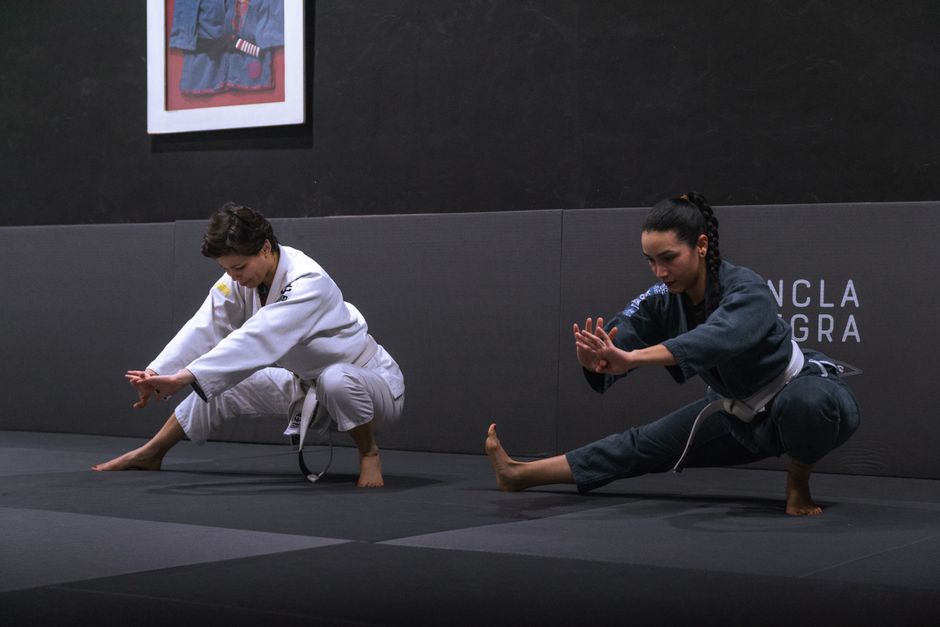
BJJ is generally safe when practiced with proper technique and respect, but it's physically demanding. Here's what helps:
- Get adequate sleep. Your body recovers and learns while you sleep.
- Eat well. You're burning calories and building muscle; fuel matters.
- Warm up properly before class and cool down after.
- Tap early and often. Never let your ego override safety.
- Listen to your body. Rest when you need it; training through serious pain leads to injury.
- Communicate with your training partners. Let them know if you're injured or if they're being too rough.
According to the National Library of Medicine, BJJ has a relatively low injury rate compared to other contact sports when proper safety protocols are followed. The key is training smart, not just hard.
Is BJJ Jiu Jitsu Right for Your Family?
Yes, absolutely. BJJ works for kids as young as four years old, teenagers, adults, and seniors. Classes can be scaled for any age and fitness level. Kids especially benefit from the confidence-building, anti-bullying lessons that come with martial arts training.
Family training also strengthens relationships. Parents and kids often train together. Siblings push each other to improve. You're building a shared experience and shared goals, which creates real connection.
If you're exploring BJJ jiu jitsu for your family, look for gyms that emphasize technique, respect, and community over competition and aggression. A family-focused gym should make everyone feel welcome, from the smallest kid to the oldest adult, and help each person reach their potential in a supportive environment. That's exactly the kind of atmosphere you'll find at Gonzales JJ, where technique-focused training and personal growth come together.
Getting Started: Your Next Step
If BJJ jiu jitsu sounds interesting, the best thing you can do is visit a local gym and watch a class. Most gyms welcome observers. Talk to the instructors, ask questions, and see if the environment feels right for you.
Don't worry about being in perfect shape or having any prior martial arts experience. BJJ is designed for everyone. Your job on day one is simply to show up, stay humble, and commit to learning.
Ready to take that first step? Gonzales JJ welcomes beginners of all ages and backgrounds. Whether you're seeking self-defense skills, a new fitness challenge, or a supportive community where you can become a winner on and off the mat, there's a place for you on the canvas.
How much does it cost to start BJJ jiu jitsu?
Costs vary by gym. Expect anywhere from $50 to $200+ per month depending on your location and the facility. Your first class or week is often free or heavily discounted so you can try it out. Once you're committed, you may invest in your own gi, which typically costs $60 to $200.
Can you learn BJJ jiu jitsu online?
Video instruction can supplement your in-person training, but you can't learn BJJ properly through online classes alone. Martial arts require hands-on feedback from an instructor and live practice with partners. Videos are great for reviewing technique, but live classes are essential.
What's the difference between BJJ and other martial arts?
BJJ focuses exclusively on grappling and ground fighting, while martial arts like karate or taekwondo emphasize striking. Judo shares grappling roots but focuses more on throws. Wrestling shares many grappling principles with BJJ but lacks submission techniques. BJJ is unique because it combines ground positioning, control, and submissions into one complete system.
How often should you train BJJ jiu jitsu to see results?
Three times per week is a solid baseline for steady progress. You'll feel improvements faster if you can train more often, but consistency beats frequency. Training twice a week consistently will get you further than training five times a week sporadically. Most serious students train 4-5 times per week, but beginners benefit from starting with 2-3 classes and adding more as they build fitness and confidence.
Start your BJJ journey off (Free Class)
Get Started Today →