
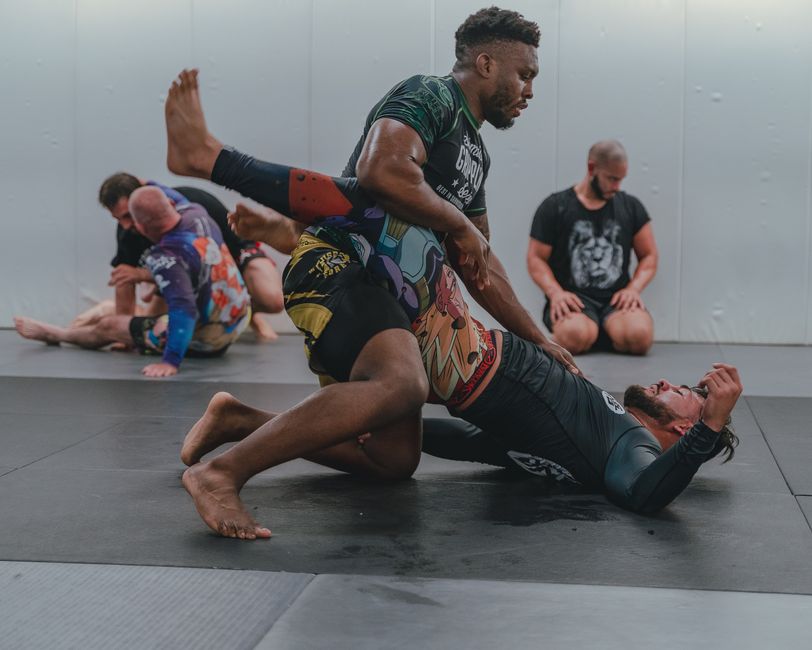
Brazilian Jiu Jitsu no-gi is a faster, more dynamic version of traditional BJJ where you ditch the gi (kimono) and train in shorts and a rash guard instead. If you're curious about no-gi training or wondering how it fits into your martial arts journey, you're in the right place.
No-gi BJJ has exploded in popularity because it feels different, moves quicker, and trains skills that work in real-world self-defense scenarios where someone isn't wearing a thick jacket. Whether you're a beginner or already training gi, understanding no-gi opens up a whole new dimension to your practice.
What Is Brazilian Jiu Jitsu No-Gi?
No-gi BJJ strips away the gi and replaces it with athletic wear. You wear shorts (usually board shorts or spats) and a rash guard, then grapple with the same core techniques but in a faster, more cardio-intensive format.
Related: Brazilian Jiu Jitsu Leg Locks: Complete Beginner Guide
Related: Brazilian Jiu Jitsu for Adults: A Complete Getting Started Guide
Related: Brazilian Jiu Jitsu Ranks Explained: Your Complete 2026 Guide
Related: No Gi Jiu Jitsu: Complete Beginner's Guide to Training
The biggest difference? Without fabric to grip, every technique changes slightly. You can't grab the collar or sleeves for chokes or throws the way you do in gi training. Instead, you rely on body positioning, timing, footwork, and control through underhook, overhook, and clinch work.
Think of it like this: gi training is like playing chess with a heavy coat on. No-gi is the same game, but you're moving faster and adapting your moves to work without those fabric handles.
How No-Gi Training Differs From Gi BJJ
Speed and athleticism separate no-gi from gi training. Without the grip options of a gi, matches tend to be faster-paced and more explosive. You'll see more scrambles, faster transitions, and heavier emphasis on footwork and leg control.
Takedowns look different too. No-gi training emphasizes clinch work and foot-based takedowns because you can't use the gi lapel or sleeve for control. This means you spend more time on single-leg takedowns, double-legs, and upper-body clinch throws.
Grip strength isn't the focus anymore. In gi, you can muscle your way through some situations by gripping fabric. In no-gi, technique and timing matter even more because raw grip strength alone won't save you.
Your conditioning needs to be sharp. No-gi rolls are notoriously tiring because there's less "rest time." Every movement is tighter, faster, and demands more from your cardiovascular system.
If you're training at Gonzales JJ, both gi and no-gi classes build comprehensive skills, but expect a different energy and pace in each format.
Start your BJJ journey off (Free Class)
Get Started Today →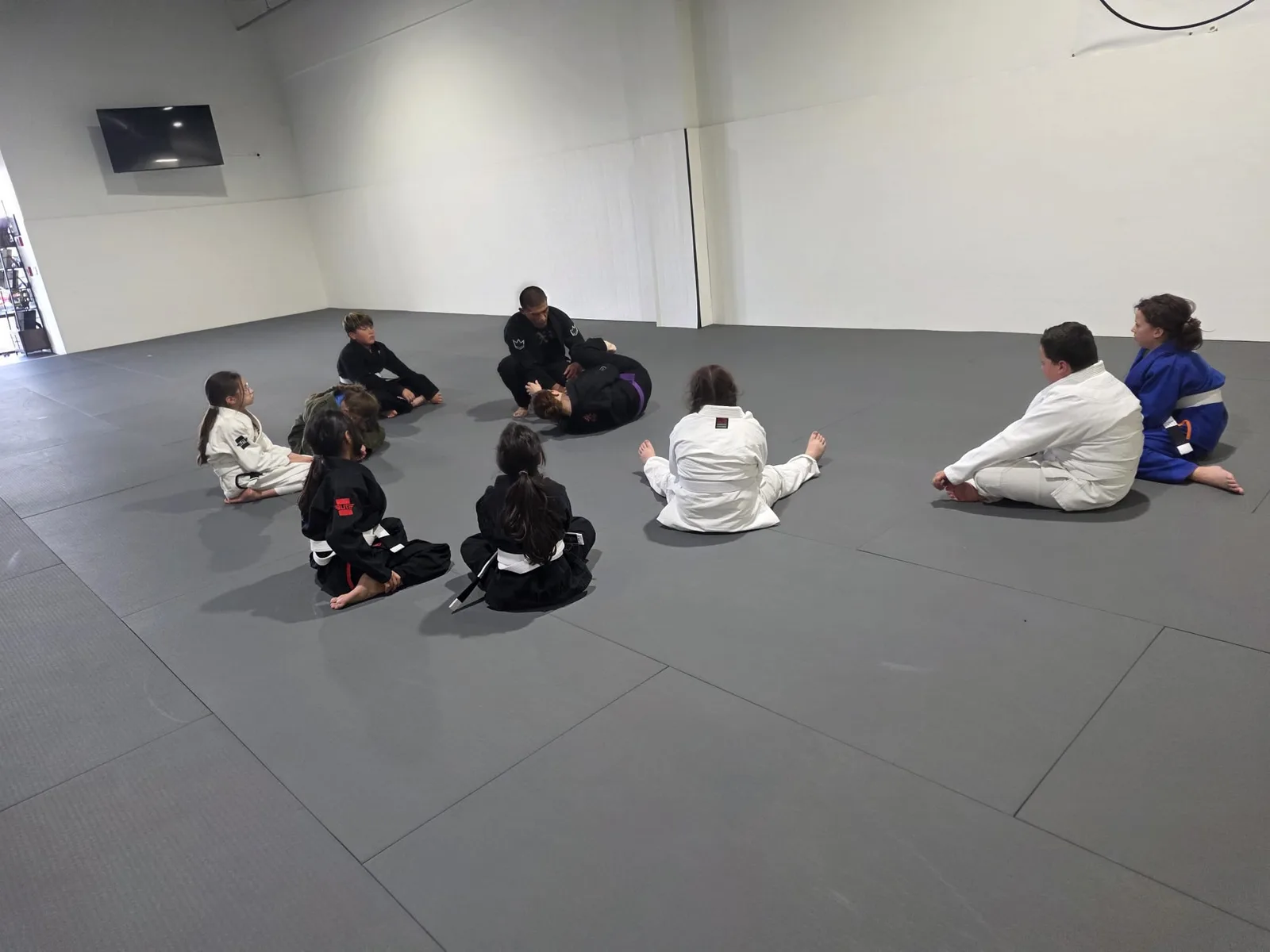
Physical Benefits of No-Gi Training
No-gi BJJ delivers serious fitness gains beyond what you might expect. You're building functional strength, not machine strength. Every movement has to be controlled, which means your core, stabilizer muscles, and balance improve dramatically.
Here's what your body gets:
- Faster reaction time and agility as you learn to move without relying on fabric grips
- Stronger cardiovascular endurance because the pace is relentless
- Enhanced balance and spatial awareness from constant adjustments
- Stable joints and functional strength through compound movements
- Improved flexibility and mobility as you work through tight, dynamic positions
Research from peer-reviewed sports science studies shows that grappling sports like BJJ build lean muscle, improve cardiovascular health, and enhance neurological function better than isolated gym exercises.
The beauty of no-gi is that you're not just getting strong. You're building practical strength that translates to real life, which is exactly what families and athletes in Rio Rancho and beyond are looking for in 2026.
Self-Defense Value of No-Gi Techniques
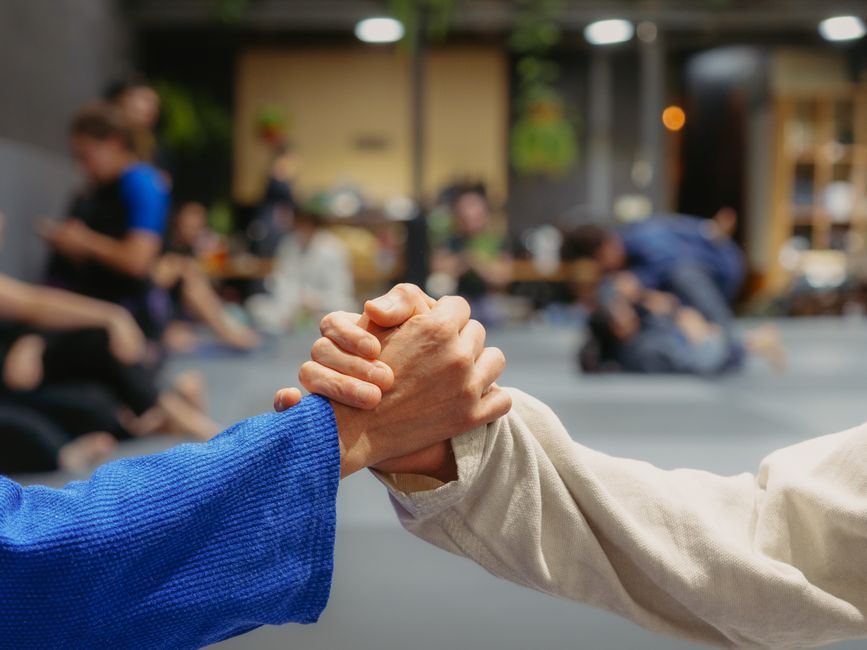
Here's the honest truth: real-world self-defense rarely involves someone attacking you in a gi. If you get grabbed by an attacker on the street, they're wearing a t-shirt or jacket, not a martial arts uniform. No-gi training prepares you for that reality.
No-gi emphasizes control without fabric grips. You learn to manage threats using body positioning, footwork, and clinch work instead of collar chokes and sleeve drags. These skills translate directly to self-defense because they don't depend on what your opponent is wearing.
Takedown defense improves. Since no-gi training focuses heavily on clinch work and leg attacks, you develop sharper defensive instincts against common real-world attack patterns. You learn how to break clinches, defend takedowns, and escape from mounted positions when there's no gi fabric to use.
Both gi and no-gi offer practical self-defense value, but for different scenarios. The best approach? Train both. That way, you're prepared whether someone grabs your collar or your arm.
Tips for Transitioning to No-Gi Training
If you've been training gi and want to try no-gi, expect an adjustment period. Your muscle memory built on gi grips needs to rewire itself for fabric-free grappling.
Start with fundamentals. Don't jump into advanced no-gi rolls right away. Go back to basics and relearn techniques without the gi. It feels awkward at first, but within a few weeks, your brain adapts.
Focus on foot positioning and footwork. In no-gi, your feet are your foundation. Work on staying base-wide, understanding angles, and using your legs to create control and stability.
Practice clinch work constantly. The clinch (upper-body grip control) is king in no-gi. Spend time learning underhook position, overhook control, and how to transition from standing to ground fighting using clinch dominance.
Expect to be sore in different places. Your neck and shoulders work harder without gi grips. Your legs get taxed because footwork is essential. Give yourself recovery time and keep your training smart.
Don't abandon gi training. The goal isn't to pick one or the other. Training both gi and no-gi makes you a more complete martial artist. You learn what works in each format and how to adapt across styles.
When you're ready to explore no-gi seriously, Gonzales JJ offers classes designed for all levels, from people transitioning from gi to athletes looking to sharpen their no-gi competition game.
No-Gi BJJ as a 2026 Fitness Trend
BJJ, including no-gi training, is recognized as one of the top fitness trends for 2026 because it delivers results that traditional gym training can't match.
Functional strength is in. People are tired of isolated movements on machines. No-gi BJJ builds real-world strength through technique and movement, not through heavy weights in a static position. Your body learns to work as a system, not as separate muscle groups.
Mental toughness matters too. Rolling under pressure, solving problems in real-time, and building confidence on the mat translates to confidence in life. That's why first responders, families, and competitive athletes all gravitate toward no-gi training.
The community aspect seals the deal. No-gi classes are welcoming, inclusive, and built on the idea that everyone grows and competes together. Whether you're training at a serious gym like Gonzales JJ or a smaller local academy, no-gi gives you a tribe of people pushing toward the same goals.
Is No-Gi BJJ Right for You?
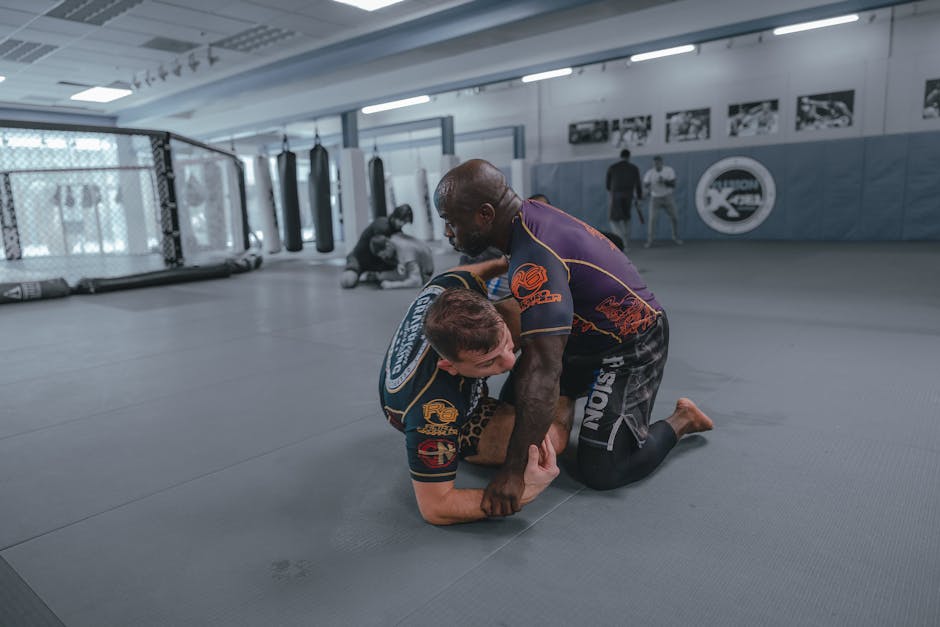
No-gi training is for you if:
- You want faster-paced, more athletic training sessions
- You're interested in practical self-defense without relying on gi grips
- You're looking for a fitness routine that builds functional strength and endurance
- You want to compete in no-gi tournaments or submissions wrestling
- You're curious about expanding your BJJ skills beyond traditional gi training
- You're part of a family looking to build confidence and discipline through martial arts
If any of those resonate, no-gi is worth exploring. Start with a beginner-friendly class, give yourself time to adjust, and trust that the adaptation gets easier fast.
Getting Started With No-Gi Training
All you need is shorts and a rash guard. You don't need a gi, a belt rank, or any formal certification to start training no-gi. Just show up ready to learn and commit to the process.
Look for a gym that prioritizes technique over ego and creates an environment where beginners feel welcome. Your instructors should emphasize control, safety, and personal growth instead of just pushing harder every session.
The families and athletes training with Gonzales JJ are part of a community focused on becoming winners both on and off the mat. That mindset, combined with solid no-gi instruction, is what transforms martial arts training from a workout into a life-changing practice.
Is no-gi BJJ harder than gi BJJ?
No-gi is faster and more cardio-intensive, which makes it feel harder at first. But it's not objectively harder, just different. Gi training can be physically taxing in different ways. The adjustment period takes a few weeks, then your body adapts.
Can you get a belt rank in no-gi?
Traditional BJJ belt progression is based on gi training. No-gi training doesn't count toward official belt rank in most organizations. However, many gyms recognize no-gi proficiency separately, and some athletes compete in no-gi submission-only leagues.
What's the best age to start no-gi training?
Kids can start no-gi as young as 5 or 6 years old, just like gi training. Many families choose no-gi because kids often find it more fun and less restrictive. Talk with your instructor about what's best for your child's age and experience level.
How often should I train no-gi?
Start with 2-3 classes per week if you're new. As you progress, 3-4 sessions weekly is ideal for skill development. If you're competing, your instructor might recommend higher frequency. Listen to your body and prioritize recovery.
Start your BJJ journey off (Free Class)
Get Started Today →