

Brazilian Jiu Jitsu leg locks are submission techniques that target your opponent's knee, ankle, or hip joints to force a tap. They're incredibly effective because they allow you to succeed against more experienced grapplers, even when you're missing some of the fundamental skills that higher belts have. Unlike chokes and armbars, leg locks sometimes get overlooked in traditional BJJ training—but that's changing fast.
If you're serious about rounding out your submission game, understanding leg locks is essential. Here's what every practitioner needs to know.
What Are Leg Locks in Brazilian Jiu Jitsu?
Leg locks are joint lock submissions that isolate and control one of your opponent's legs. The main targets are the knee, ankle, and hip. When you apply pressure to any of these joints in the right direction, your opponent has no choice but to tap or risk serious injury.
Related: Brazilian Jiu Jitsu Ranks Explained: Your Complete 2026 Guide
Related: Brazilian Jiu Jitsu for Adults: A Complete Getting Started Guide
Related: Brazilian Jiu Jitsu No Gi: Complete Training Guide
Related: Brazilian Jiu-Jitsu Guards: Complete Beginner's Guide
Related: Jiu Jitsu Half Guard: Complete Beginner Guide
Related: Jiu Jitsu Weight Classes Explained: A Complete Guide
Related: Jiu Jitsu Gi Sizes: Complete Sizing Guide & Chart
What makes leg locks special is the mechanics. They work on the same principles as any other joint lock in BJJ—control the joint, apply pressure in the direction it doesn't naturally bend, and your opponent submits. Simple in theory. But executing them smoothly takes dedicated practice.
The Four Foundational Leg Lock Techniques
You don't need to memorize 50 different leg locks to get started. Master these four foundational techniques first, and you'll have a solid base to build on:
- The Heel Hook: You control your opponent's heel while applying rotational pressure to the knee and ankle. This is one of the most powerful leg locks, but it's also one of the most dangerous if not done correctly.
- The Knee Reap: You hook your opponent's knee from the outside, trapping it between your legs while controlling their leg. This puts direct pressure on the knee joint.
- The Straight Ankle Lock: You isolate the ankle and straighten the leg, creating pressure on the ankle joint itself. This is often the first leg lock beginners learn because it's more intuitive.
- The Calf Slicer: You use your shin to apply pressure against your opponent's calf muscle while controlling the leg, forcing pressure on the ankle joint.
Each of these has variations and applications in both Gi and No-Gi training. But the fundamentals stay the same: isolate the leg, control the joint, apply pressure safely.
Why Leg Locks Are So Effective
Here's the honest truth: leg locks level the playing field in a major way. If you're a white or blue belt rolling against a purple or brown belt, you're at a huge disadvantage in terms of experience and technique.
But leg locks change that equation. They allow you to compete and succeed despite gaps in your fundamental grappling skills. A well-executed leg lock doesn't care about your belt color—it works on everybody.
That's why more and more competitors are investing time into leg lock systems. Modern BJJ has evolved. The days of ignoring leglock training are gone. If you want to stay competitive, you need to understand how to use them—and how to defend against them.
When you're training at Gonzales JJ, our instruction covers both the offensive and defensive sides of leg lock training so you're never caught off-guard.
Start your BJJ journey off (Free Class)
Get Started Today →
Safety First: Why Tapping Matters
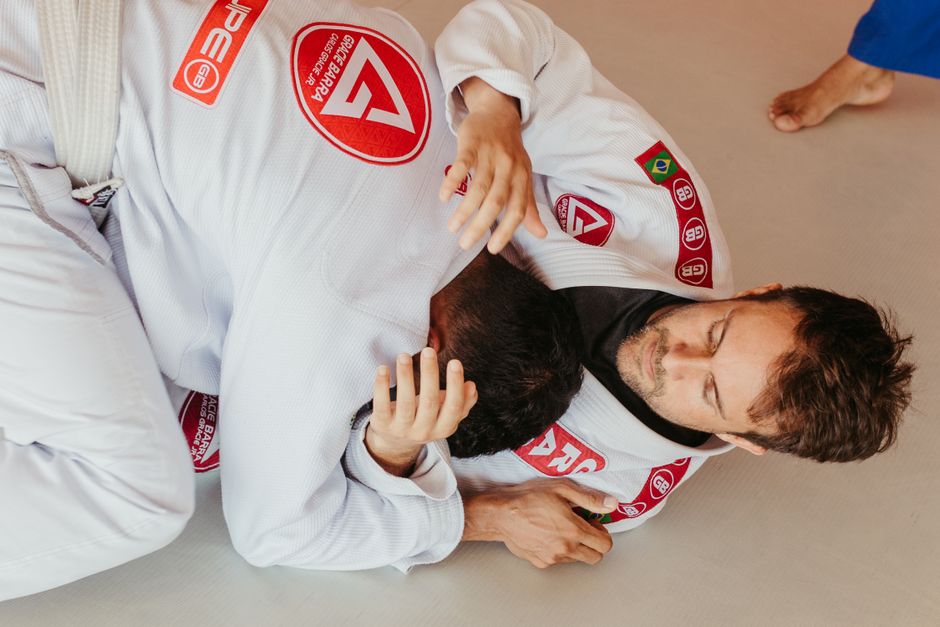
Let's get serious about one thing: leg locks can cause real injury if your training partner isn't careful. Your knees, ankles, and hips are complex joints with limited flexibility. Once pressure is applied in the wrong direction, damage happens fast.
This is why tapping to leg locks is absolutely non-negotiable. If your opponent has isolated your leg and you feel pressure on the joint, tap immediately. Don't wait. Don't tough it out. Tap.
When you're the one applying a leg lock, apply pressure gradually. Give your partner time to feel the submission coming. The goal is to make them tap, not to injure them. That's the difference between safe training and reckless training.
According to research published in the Journal of Athletic Training, proper tapping mechanics and joint awareness are critical to preventing long-term damage. If you ever feel trapped with your opponent controlling your heel, that's the signal to tap immediately.
Building Your Leg Lock Skills Through Dedicated Training
Perfecting leg locks isn't something that happens by accident. It requires specific, focused practice. You need instruction from someone who understands the mechanics deeply. You need repetition. You need drilling partners who can feel what you're doing and give feedback.
That's where specialized instruction makes all the difference. Experts like Gordon Ryan have built entire leg lock systems with detailed methodology for execution. If you watch how the top competitors approach leg locks, you'll notice they're not just muscling their way through—they're using precise positioning and leverage.
No-Gi leg locks have their own specific applications and variations too. Without a Gi, your grips are different. Your angles change. The techniques that work in Gi don't always translate perfectly to No-Gi, so you need to train both if you want to be well-rounded.
At Gonzales JJ, we emphasize technique-focused training that builds your understanding of how and why these submissions work. That foundation makes you a smarter competitor, not just a stronger one.
Common Leg Lock Mistakes to Avoid
Even though leg locks are straightforward in concept, beginners make predictable mistakes. Here's what to watch for:
- Rushing the setup: You can't just jump straight to the submission. Control the leg first. Position matters more than speed.
- Ignoring the heel position: Where the heel sits determines everything. If you don't control it, your opponent can escape before the pressure even hits.
- Applying pressure too fast: Your training partner needs time to recognize the submission and tap. Cranking immediately is dangerous and disrespectful to the mat.
- Neglecting defense: Knowing how to escape leg locks is just as important as knowing how to apply them. Spend equal time on both sides.
Where to Learn Leg Locks Properly
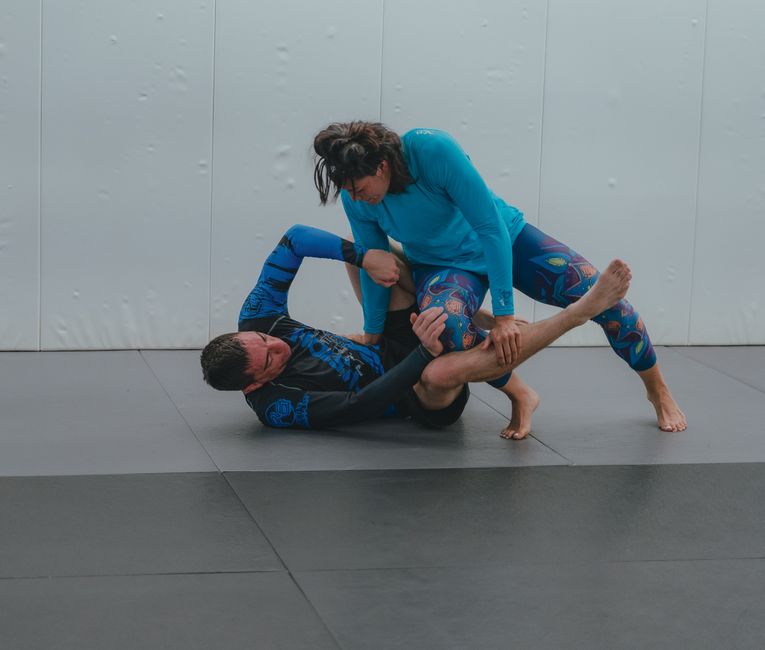
The best way to learn leg locks is from someone who knows them inside and out. Video tutorials help, but live instruction with a qualified coach is where the real learning happens. You need someone watching your positioning, correcting your angles, and making sure you're not building bad habits.
When you're looking for BJJ training focused on technique and safety, instruction matters more than hype. Find a gym where the coaches understand joint mechanics, prioritize mat safety, and teach progression instead of just throwing advanced moves at you.
Key Takeaways on Leg Locks
Leg locks are powerful tools in your BJJ arsenal. They let you compete against higher belts. They work on the same joint lock principles as armbars and chokes. But they demand respect and proper instruction. Master the four foundational techniques. Always tap when caught. Train with partners who take safety seriously. Build your skills gradually with a coach who knows what they're doing.
Can beginners use leg locks in rolling?
Yes, but with caution. Most beginners learn straight ankle locks first because they're lower-risk. Heel hooks require more technical skill to apply safely. Focus on control and pressure progression rather than cranking hard. Always communicate with your training partner about what techniques you're working on.
What's the difference between leg locks in Gi and No-Gi?
Gi and No-Gi leg locks use similar mechanics, but your grips are different. Without a Gi, you're gripping the leg directly with your hands, which changes your grip strength and positioning options. No-Gi leg locks tend to be faster and more dynamic. Train both if you want to be well-rounded.
How do I defend against leg locks?
The key to leg lock defense is recognizing the position early and escaping before the submission is fully locked. Keep your legs active during rolling. Don't let your opponent isolate a single leg for too long. Heel hook defense requires understanding foot positioning and how to protect your joints. Drill defenses regularly—don't wait until you're caught.
Are leg locks legal at my belt level?
Leg lock rules vary by organization and belt level. IBJJF rules restrict certain leg locks for lower belts. Heel hooks are limited in white, blue, and purple belt divisions. Check the specific ruleset for your competition before training. A good gym like Gonzales JJ will have coaches who know the current rules and teach within them so your training is always legal and safe.
Start your BJJ journey off (Free Class)
Get Started Today →