
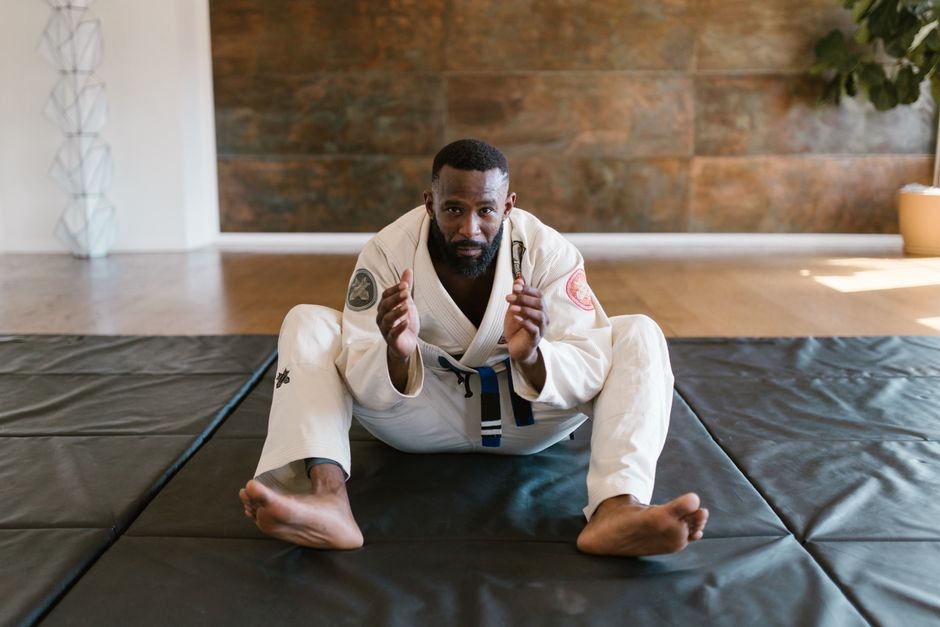
A Brazilian jiu jitsu gi is the traditional uniform you wear during BJJ training and competition. It consists of a heavy cotton jacket, pants, and a belt that ties at your waist. If you're starting your martial arts journey, understanding how to choose and care for your gi is one of the first practical steps you'll take.
What Exactly Is a Brazilian Jiu Jitsu Gi?
Your gi is basically your training outfit. The jacket (called a "judogi" in traditional martial arts) is designed to withstand the grip, leverage, and movement of grappling. The pants are reinforced at stress points like the knees and crotch. Everything is made from durable cotton weave that can handle being grabbed, pulled, and leveraged repeatedly without tearing.
The belt you tie around your waist isn't just decoration. It signals your rank and experience level in BJJ. White belt, blue, purple, brown, and black belts represent your progression as you train and compete. When you walk into a gym like Gonzales JJ, everyone can instantly see where you are in your BJJ journey by looking at your belt.

The gi serves a practical purpose: it gives your training partners something legal to grip and control during rolls. Without a gi, your training would look completely different (that's called "no-gi" BJJ, which is another style entirely). The fabric, seams, and collar are specifically built to handle this punishment.
Why Wear a Gi When You Train?
New students sometimes wonder why they can't just wear athletic shorts and a t-shirt. The answer comes down to technique and tradition.
When you wear a gi, every grip, throw, and control position works differently than it would without one. Your training partners use the fabric to execute techniques. You learn to use it to escape and defend. This builds a completely different skill set than no-gi training.
Most gyms require at least one gi class per week when you're starting out. This keeps your fundamental technique sharp and makes sure you're learning the traditional art form that BJJ comes from. It also means your first gi purchase is non-negotiable if you want to train seriously.
What to Look for When Buying a Brazilian Jiu Jitsu Gi
Not all gis are created equal. Here's what actually matters when you're picking one:
Weight and Construction
Gis come in lightweight and heavier, more durable options. Lightweight gis are easier to move in and dry faster. Durable gis hold up longer to constant use and are better for competition. Most beginners start with a lightweight or mid-weight gi because it's more forgiving while you're learning. As you train more and compete, you might invest in a premium gi with reinforced seams and better stitching.
Size Matters
A gi that's too big will slow you down and feel sloppy. A gi that's too small will rip and restrict your movement. Most brands have sizing charts based on your height and weight. Check the chart before you buy. When you're wearing it, the sleeves should end about two inches from your wrist, and the pants should hit right at your ankle. The jacket should fit snug but not tight.
Color and Style
Snow-white is the standard color for training and competition. Some gis come with customizable embroidery, which is cool but not necessary when you're starting out. Stick with classic white or a basic color until you know you're committed to the sport.
IBJJF Legal Standards
If you think you might compete, check that your gi meets IBJJF (International Brazilian Jiu-Jitsu Federation) regulations. These rules govern official competitions. Most reputable gi brands make IBJJF-approved models, so this usually isn't hard to verify. Your gym can also tell you which gis are legal for their competitions.
Gi Durability and Long-Term Value
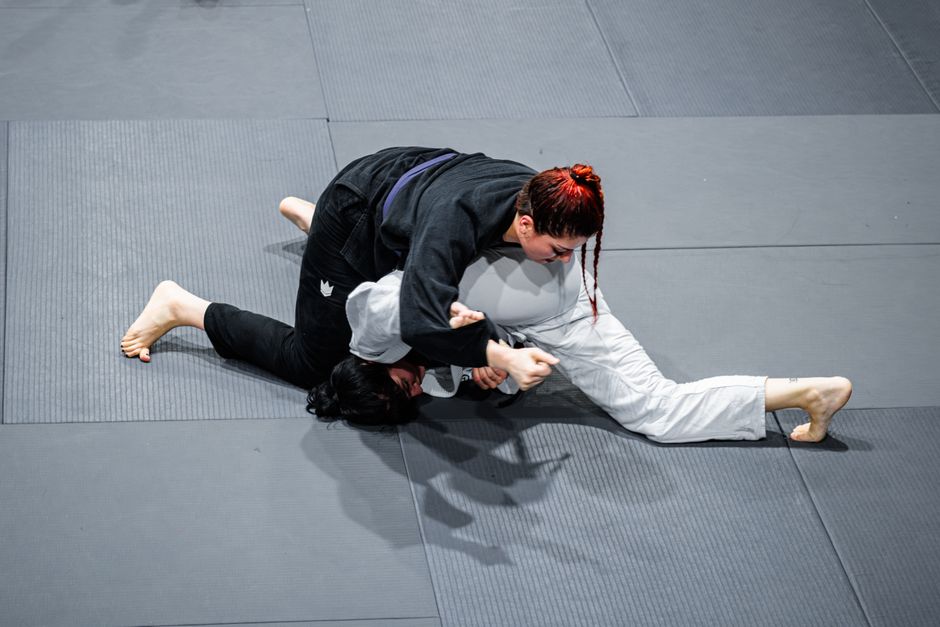
You're going to wash your gi a lot. Sweat, dirt, and bacteria need to come out after every single session. That means your gi's durability directly affects how long you get to use it.
Premium gis with reinforced stitching, thicker cotton weave, and quality construction last longer and look better after dozens of washes. Budget gis can work fine for beginners, but they may develop rips or holes faster. If you plan to train 3-4 times a week, investing in a better gi saves money over time because you won't need to replace it as often.
Look for gis that offer free shipping on orders over certain amounts. Many reputable brands make shipping easy, which reduces the overall cost of getting started.
How to Care for Your Gi So It Lasts
Buying a gi is one thing. Keeping it in good shape is another.
Washing
Wash your gi after every training session. Use cold water to prevent shrinkage, and wash it inside out to protect the color and embroidery. Skip the dryer if possible. Air drying prevents excessive shrinkage and keeps the fabric fresh longer.
Storage
Hang your gi to dry completely before folding it away. Storing a damp gi breeds bacteria and mold. Make sure it's bone dry before you put it in your gym bag.
Repairs
Small rips at seams can be stitched up by a tailor. Catching damage early extends the life of your gi significantly. Don't ignore a small tear because it will grow.
Gi Training vs. No-Gi: How They Differ
You might hear teammates talking about "no-gi" or "nogi" training. This is where you wear shorts and a rash guard instead of a gi.
In no-gi training, you can't grip the fabric, so all your techniques change. Footlock attacks become more common. Throws become harder to execute. Guard positions work differently. It's a faster, more explosive style of BJJ.
Most gyms offer both gi and no-gi classes. Starting with gi training helps you build solid foundational technique because it forces slower, more controlled movements. As you progress, no-gi training adds speed and athleticism to your game. Your instructor at Gonzales JJ can guide you on when to add no-gi sessions to your routine.
Start your BJJ journey off (Free Class)
Get Started Today →Gi Training and Your Fitness Goals

Beyond technique, training in a gi is a legitimate workout. BJJ improves your strength and agility in ways that traditional gym training doesn't. The constant grappling, escaping, and controlling your opponent's weight builds functional strength throughout your entire body.
The core and abdominal conditioning benefits are real too. You're constantly engaging your midsection to maintain position, create leverage, and defend against attacks. It's noted as one of the effective "hot workouts" for 2026 because it combines strength, technique, problem-solving, and community all at once.
If you're looking to build fitness alongside technical skills and personal growth, BJJ in a gi is one of the most complete training methods available.
Getting Started With Your First Gi
Here's what actually happens when you show up for your first gi class:
You'll put on your gi before training. Your instructor will show you how to tie your belt properly (yes, there's a correct way). You'll warm up, drill some basic techniques, and then do some controlled rolling with partners. Everyone there started exactly where you are, so the environment is supportive.
Invest in a quality gi that fits properly, take care of it by washing and air drying it regularly, and commit to at least one gi class per week when you're learning. That combination sets you up for real progress in BJJ.
If you're ready to start your BJJ journey and need guidance on how to choose the right gi for your body and training goals, reach out to instructors who can help you fit properly and recommend what works best for your schedule and budget.
What size gi should I buy?
Check the brand's sizing chart based on your height and weight. When wearing it, the sleeves should end about 2 inches from your wrist, and the pants should hit at your ankle. The jacket should fit snug but not tight. If you're between sizes, size up slightly because gis shrink slightly after washing.
Can I wear a no-gi rash guard instead of a gi?
No. Gi classes require a full gi uniform. No-gi classes require shorts and a rash guard. They're two different training styles with different techniques and movements. Your gym will clearly label which classes are gi and which are no-gi.
How often do I need to wash my gi?
Wash it after every training session. Sweat and bacteria build up quickly, and leaving your gi damp in a bag creates mold and odor. Cold water, inside-out washing, and air drying keep it fresh and extend its life.
Is a more expensive gi worth the money?
Premium gis with better construction, reinforced seams, and thicker weave last longer and survive more washes. If you train 3-4 times per week, a quality gi saves money long-term because you won't need to replace it as often. Budget gis can work for beginners, but durability becomes an issue with heavy training schedules.
Start your BJJ journey off (Free Class)
Get Started Today →