
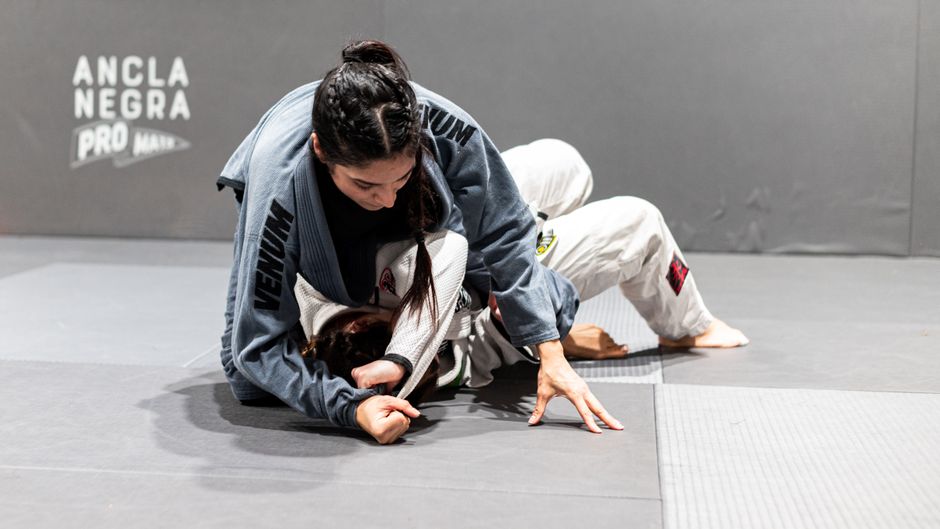
Looking for Brazilian Jiu-Jitsu training near you? The good news: BJJ is more accessible than ever, and beginner-friendly programs are popping up in communities everywhere. The challenge is knowing which gym actually fits your goals, your schedule, and your budget.
This guide walks you through exactly what to look for when searching for BJJ training in your area, how to evaluate gyms like a smart student, and what happens when you walk in on your first day.
What to Look for in a Brazilian Jiu Jitsu Gym Near You
Not all BJJ gyms are created equal. Before you sign up anywhere, you need to know what separates a solid training environment from one that won't serve your goals.
Instructor Credentials Matter Most
The single most important factor is who's teaching you. Look for gyms with Black Belt instructors who specialize in Brazilian Jiu-Jitsu. A Black Belt in BJJ has spent years (typically 10+) mastering the art and teaching progression to students at all levels.
Even better: seek out gyms with multiple Black Belt instructors. Why? Different teachers bring different styles and perspectives. One instructor might excel at positional fundamentals while another specializes in leg lock systems. You benefit from exposure to multiple teaching approaches.
Ask gyms you're considering about their instructor lineage. Where did they train? Who promoted them? Legitimate credentials are transparent and easy to verify.
Beginner-Specific Programs
You should never feel lost or unsafe in your first class. Quality gyms offer dedicated beginner programs or clearly structured classes for all experience levels.
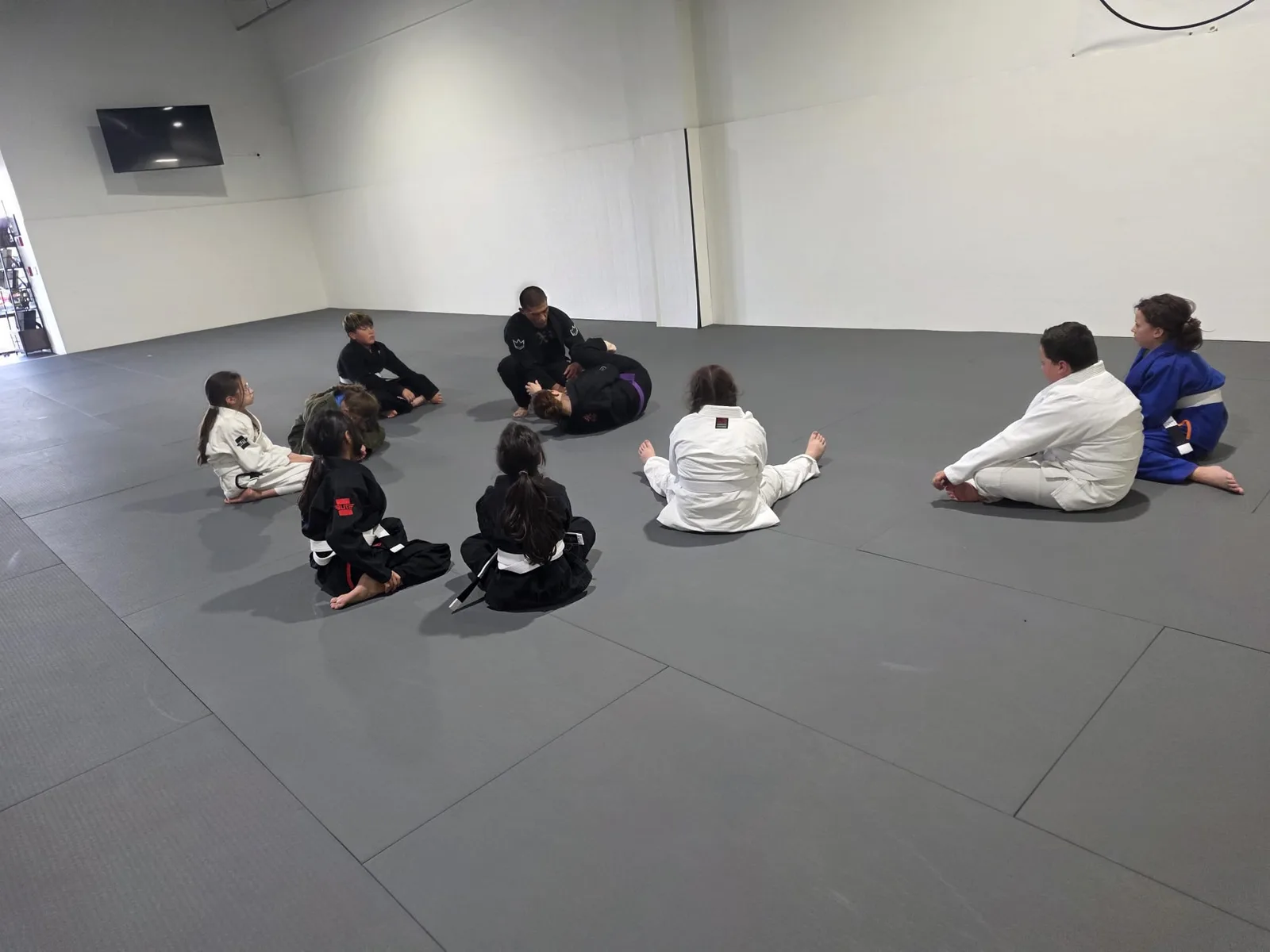
A good beginner program teaches the fundamentals in a logical order: basic positions, escapes, and foundational submissions. You learn to fall safely. You understand how to tap (submit) before you learn to make others tap. The pace is slow enough that you can absorb technique without getting overwhelmed.
Ask the gym directly: "Do you have beginner classes?" or "Can I start at any time, or are there beginner cycles?" Gyms that say "just jump in whenever" aren't necessarily bad, but dedicated beginner tracks are a sign they've thought about progression.
Safe Training Environment
BJJ involves physical contact and controlled intensity. You need a gym that takes safety seriously. Signs of a safe environment include:
- Clear rules about when rolling (sparring) starts for new students
- Emphasis on control and tapping (submitting) early
- Instructors who stop rolling if someone is in real danger
- A culture where ego takes a backseat to learning
- Clean mats and regular equipment maintenance
When you visit a gym, watch a class. Do students seem relaxed or anxious? Are people helping each other up? Does the instructor give corrections in a supportive way? Your gut feeling matters here.
Community and Atmosphere
Training consistency beats training intensity. You're more likely to stick with a gym where you feel welcome and where you actually like the people.
Ask about the student community. Are people competing together? Do they socialize outside the gym? Is there a mix of ages and body types? Gonzales JJ emphasizes this philosophy: everyone grows and competes together, regardless of where they're starting from.
How to Evaluate Brazilian Jiu Jitsu Training Near You
Once you've narrowed down your options, here's how to actually compare gyms and make a decision.
Visit in Person First
Never join a gym based on their website alone. You need to see the space, watch a class, and feel the vibe.
Most gyms offer a free trial class or a tour. Go during a time you'd actually be training. If you can only train at 6 PM on Tuesdays, watch the 6 PM Tuesday class, not a noon Saturday session with completely different students.
Ask About Class Structure
Good BJJ classes follow a consistent format:
- Warm-up (5-10 minutes): dynamic stretching and cardio
- Technique instruction (20-30 minutes): the instructor demonstrates and you practice with a partner
- Rolling or situational drilling (10-20 minutes): you apply what you just learned in controlled scenarios
- Cool-down and stretching (5 minutes)
Ask how classes are structured. Are all classes the same format, or does it vary? Do instructors stay on the mat to correct your form, or do they sit back and watch?
Check the Facility Basics
You'll be on the mats multiple times per week, sometimes several times per week. The space needs to be clean, organized, and have room for the number of students training.
Walk around. Are the mats in good condition? Do bathrooms and showers exist? Is there space to store your gear? Is the temperature comfortable?
Understand the Cost and Commitment
Pricing varies widely depending on location, facility size, and instructor credentials. Rather than shopping purely on price, think about value. A slightly more expensive gym with better instructors and community might be your best investment.
Ask about membership terms. Some gyms require long contracts; others offer month-to-month flexibility. Ask what's included: unlimited classes, or are there caps? Do they charge extra for competition training or specialized programs?
What to Expect on Your First Day of Training
You've picked a gym. Now what happens when you walk through the door?
Start your BJJ journey off (Free Class)
Get Started Today →Arrive Early and Be Honest
Show up at least 10 minutes early for your first class. Tell the instructor you're brand new. No shame in this at all—every single person in that gym was a beginner once.
Your instructor will likely pair you with an experienced student who can help you understand what's happening and show you how to move safely.
You'll Learn to Fall and Escape
Your first few classes won't involve intense sparring. Instead, you'll learn fundamental positions and how to get out of them. You'll learn what "tapping" means (submitting to avoid injury) and practice it repeatedly so it becomes automatic.
The physical feeling is different for everyone. Expect to be tired. Expect some soreness the next day. That's normal and it gets better as your body adapts.
You'll Work With Different Partners
One of the best parts of BJJ training is that you learn from everyone in the gym. On day one, your partner might be a four-stripe white belt. The next week, you might drill with a purple belt or a Black Belt instructor. Everyone is there to help you improve.
BJJ isn't competitive in that sense. You're not trying to beat your training partners. You're working together to solve problems and get better.
Red Flags to Avoid When Choosing Brazilian Jiu Jitsu Training
Know what to avoid. Some gyms have questionable practices that can hurt your progress or even your safety.
Instructors Without Legitimate Credentials
If an instructor can't explain their Black Belt lineage or seems evasive about their training background, move on. Legitimate credentials are the foundation of legitimate instruction.
Pressure to Compete Immediately
Competing in BJJ is awesome, but it should be optional and come after you've had time to learn fundamentals. If a gym is pushing beginners into competitions after a month or two, that's a bad sign.
An Ego-Driven Culture
Watch out for gyms where instructors or high-ranking students use training as a way to dominate or embarrass newer students. Real martial arts builds people up; it doesn't tear them down.
Lack of Communication About Safety
If an instructor doesn't explain the importance of tapping early or seems dismissive about injuries, that's not safe. You need an environment where the coach takes student wellbeing seriously.
Using Online Resources to Find Training Near You
Beyond visiting gyms in person, online research helps you narrow the field quickly.
Google Maps and Local Directories
Search "Brazilian Jiu Jitsu near me" or "BJJ gym [your city]" to see what's available locally. Read reviews, but take them with a grain of salt—one bad experience doesn't define a gym, and overly glowing reviews might be biased.
BJJ Lineage Websites
Some organizations track Black Belt instructors and gyms by lineage. If you're researching a specific gym or instructor, these databases can help you verify credentials independently.
Social Media and Community Presence
Gyms that are active on social media usually share class times, student achievements, and culture snippets. This gives you a sense of what the community is like before you visit. Do they celebrate student progress? Do they seem welcoming to beginners?
Starting Your BJJ Journey: Next Steps
Once you've found a gym that feels right, the real work begins. And it's worth it.
BJJ training builds problem-solving skills, discipline, and genuine confidence. You learn self-defense mechanics while building community connections. Kids learn anti-bullying strategies and respect. Adults find a place to challenge themselves and belong to something bigger than themselves.
If you're in the Rio Rancho or Albuquerque area, Gonzales JJ is built exactly for this: family-friendly training that welcomes beginners, competitive athletes, first responders, and everyone in between. But wherever you are, the principles remain the same. Look for quality instruction, a supportive environment, and a community that values growth over ego.
Your first class is intimidating. Your fifth class is easier. By class thirty, you'll understand why people dedicate their lives to this art.
Common Questions About Finding BJJ Training
What's the best age to start Brazilian Jiu Jitsu?
Kids can start as young as 4 or 5 in many gyms, though younger students usually train in separate classes with modified techniques. Teens and adults of any age can start. There's no "too late." Many gyms offer family programs where parents and kids train together, which is a great way to build discipline and connection across generations.
How much does BJJ training cost?
Pricing varies by location, facility, and instructor credentials. Some gyms charge $80-150 per month; others charge more or less depending on what's included. Rather than shopping on price alone, think about value: a slightly higher membership at a gym with excellent instruction might be the better investment for your long-term progress.
Can I start BJJ if I'm not in great shape?
Absolutely. BJJ works for every fitness level. Beginner classes are designed for people who are just starting their fitness journey. You'll get stronger and more conditioned as you train. Your job on day one isn't to be fit; it's to show up and learn.
Do I need to compete in Brazilian Jiu Jitsu?
No. Competition is optional and beneficial if you want the challenge, but plenty of people train BJJ for fitness, self-defense, and community without ever stepping on a competition mat. Most gyms respect both paths equally.
Start your BJJ journey off (Free Class)
Get Started Today →