
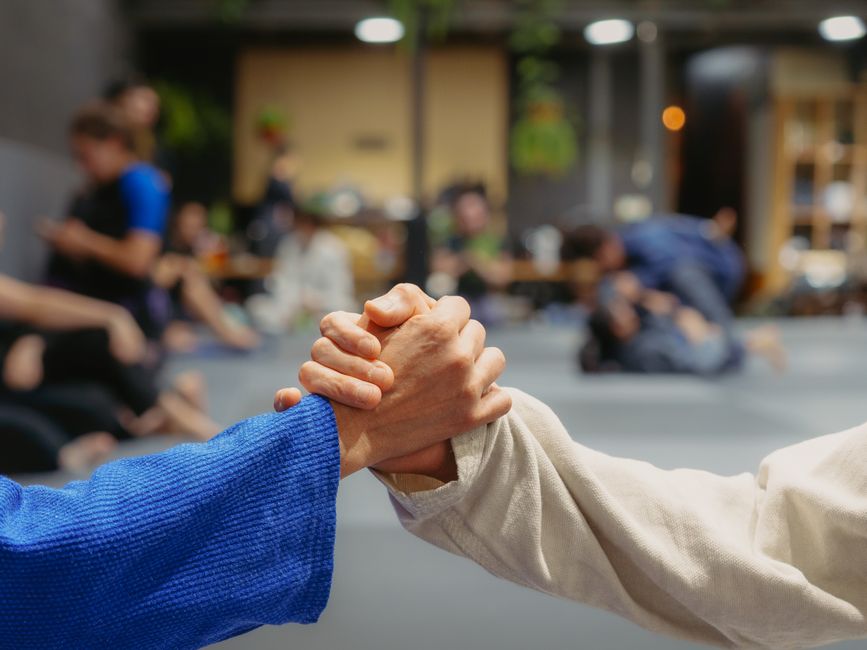
The fundamentals of jiu-jitsu are the foundation of everything you'll do on the mat. Whether you're a beginner stepping in for the first time or someone looking to tighten up your game, understanding these core principles will transform how you train and compete.
Here's the truth: jiu-jitsu mastery isn't about learning hundreds of fancy techniques. It's about perfecting a small number of fundamental movements and understanding how they work in every position. That's what separates people who roll smoothly from people who always feel lost.
Related: Jiu Jitsu Arm Triangle: Master This Submission
Related: Gracie Jiu-Jitsu: Self-Defense & Technique Guide
Related: Judo vs Brazilian Jiu-Jitsu: Key Differences Explained
Related: No-Gi vs Gi Jiu-Jitsu: Key Differences & Which to Train
Let's break down what you actually need to know to get started and build a strong foundation.
The Three Pillars of Jiu-Jitsu Fundamentals
Every technique in jiu-jitsu is built on three essential elements: posture, pressure, and grips. Master these three things, and you'll understand why techniques work—not just how to do them.
Posture is your spine position and how you hold your body. Good posture lets you control your opponent and defend attacks. Bad posture gets you submitted. It's that simple.
Pressure means using your weight effectively. In jiu-jitsu, you're not trying to muscle your opponent—you're using your body weight to make it hard for them to move or escape. Pressure comes from good posture and positioning.
Grips are how you control your opponent's arms, collar, sleeves, and legs. Strong grips limit your opponent's options and give you control. Weak grips let them escape and counter-attack.
These three elements show up in every position—whether you're on top, on bottom, standing up, or on your back. If you focus on posture, pressure, and grips in every roll, you'll see your game improve fast.
Standing Position Fundamentals
Jiu-jitsu starts standing up. Your stance, grip, and balance determine whether you can successfully take your opponent down or defend their takedown.
In a standing position, your feet should be shoulder-width apart with your weight on the balls of your feet. Your knees should be slightly bent, and your posture should be upright but not stiff. This keeps you mobile and ready to move in any direction.
Your grips on standing are usually on your opponent's collar and sleeves. These grips give you control before you attempt a throw or takedown. Without solid grips, you'll struggle to set up any offensive technique.
Balance matters more than strength. If you stay low and centered, your opponent can't throw you, even if they're heavier or stronger. Stay high or lean too far forward, and they'll take you down easily.
Ground Fundamentals From the Bottom Position
The bottom position is where most people feel helpless. But when you understand the fundamentals, being on your back becomes your chance to escape, sweep, or submit your opponent.
Frames are one of the most important tools you'll use from the bottom. A frame is when you use your arm or leg to create distance between your body and your opponent's. Good frames stop your opponent from crushing you or setting up a submission.
Shrimping is the escape you'll use a hundred times a week. Here's how it works: create a frame on your opponent's chest or hip, kick your leg out, and use both actions to scoot your hips away. This creates space and helps you escape or reverse position.
When you're on your back, your goal is to keep good frames, maintain posture, and look for opportunities to create movement. Never give up your posture—if you let your opponent flatten you out, everything gets harder.
Learning to be comfortable on your back is huge. Many beginners panic when they're underneath, but the bottom position is where you develop real problem-solving skills. Gonzales JJ emphasizes this in every beginner class because staying calm and technical on the bottom builds confidence everywhere else on the mat.
Start your BJJ journey off (Free Class)
Get Started Today →
Ground Fundamentals From the Top Position
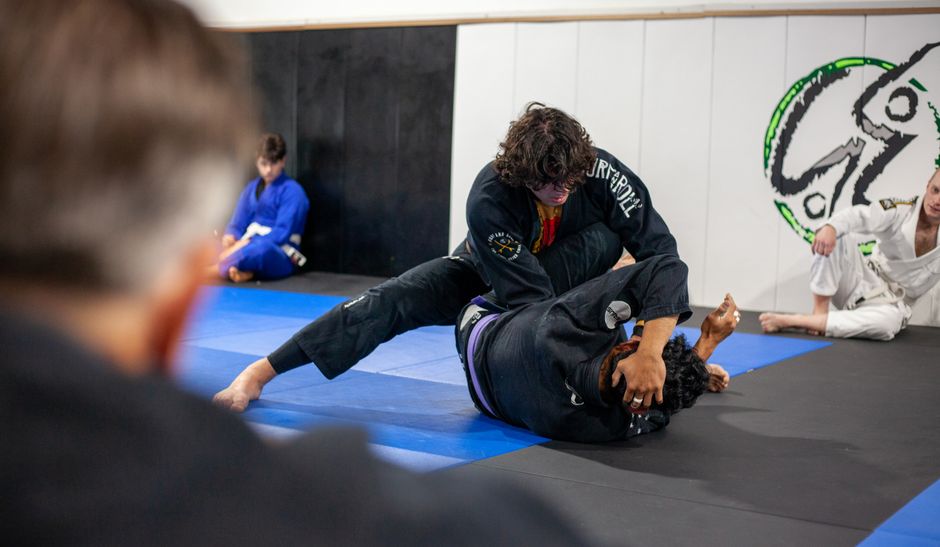
When you're on top, your job is to maintain control and slowly advance your position. Top position is where pressure and posture shine.
Stay heavy but not stiff. Your opponent should feel like they can't move, but you should still be able to adjust and transition. If you're too tense, you'll gas out. If you're too relaxed, you'll lose position.
Keep your hips close to your opponent's body. Distance is your opponent's best friend—it gives them space to escape or create leverage. Close hips mean control.
From the top, you want to work toward better positions. Moving from side control to knee on belly, or from knee on belly to mount, shows you understand progression. You're not looking for the fastest submission—you're looking to improve your position first, then look for submissions when they're there.
Why Fundamentals Come Before Everything Else
A lot of new students want to learn fancy leg lock combinations or complicated arm drag transitions. That's natural—watching high-level competitors do cool stuff is inspiring.
But here's the thing: if you can't execute a basic armbar properly, a fancy combo will fail every time. If you don't understand how to maintain good pressure in side control, you won't survive in an advanced position like the back.
The best jiu-jitsu players in the world didn't skip fundamentals. They spent years—sometimes decades—refining the basics. Excellence comes from repeating simple movements until they're automatic.
When you roll, focus on doing one or two things really well instead of trying everything. Maybe this week you focus on getting a solid takedown and staying in mount. Next week, you focus on bottom escapes. This builds your game step by step.
How to Practice Fundamentals Effectively
Knowing fundamentals and practicing them are two different things. Here's how to actually get better.
Drill before rolling. At the start of class, you'll drill techniques slowly and with less intensity. This is where you learn. Don't skip drills or do them half-speed. Treat drills like your foundation work—they matter more than rolling.
Roll light when you're learning. Rolling at full intensity when you don't know what you're doing just builds bad habits. Roll at maybe 50-60% intensity when you're new. This gives you time to think and feel what's happening.
Ask questions. If you don't understand why a grip or position works, ask your instructor. Understanding the "why" helps you apply fundamentals in different situations.
Keep a training journal. Track which fundamentals you practiced, which ones felt smooth, and which ones felt clunky. Over time, you'll notice patterns. Maybe your takedowns are sharp but your escapes are weak. That tells you what to focus on next.
If you're serious about building a real foundation, finding a gym with good fundamentals instruction makes a huge difference. Gonzales JJ structures every level around fundamentals because that's how you build winners on and off the mat.
Common Mistakes Beginners Make With Fundamentals
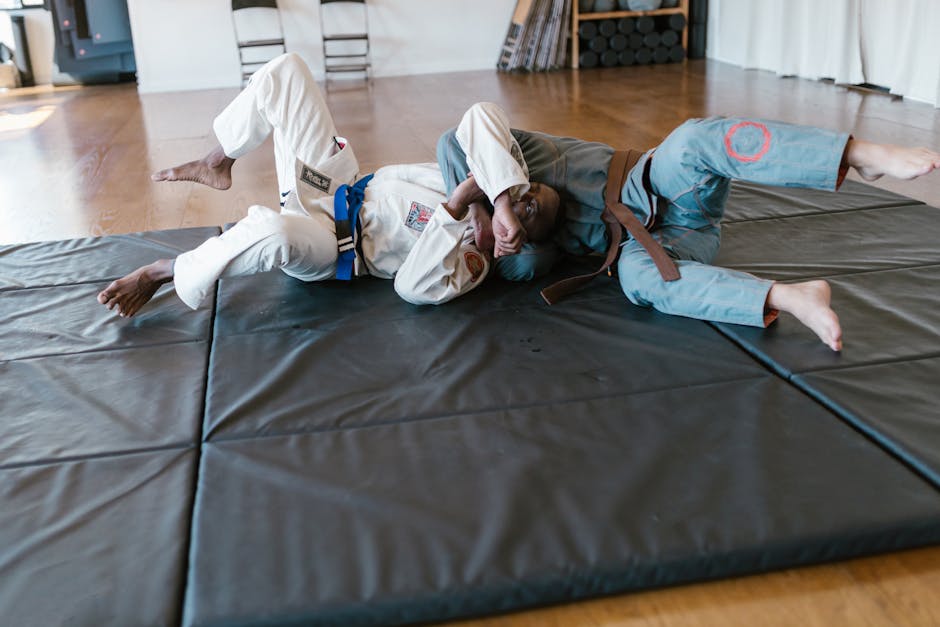
Thinking bigger is better. A lot of beginners try to use muscle instead of technique. If a technique isn't working, the answer is usually better technique, not more strength. Slow down and focus on posture and pressure.
Moving on too fast. Some people want to learn advanced moves before they can do basics well. Resist that urge. You'll progress faster if you master fundamentals first. Trust the process.
Ignoring your weak side. Everyone has a side they're better at. Maybe you're stronger on your right, or escapes feel natural but submissions don't. Spend extra time on your weak side. That's where real improvement happens.
Not paying attention to details. Small things like where your knee goes or how tight your grip is make huge differences. In a live roll, you might not notice, but drilling lets you feel those details. Pay attention in drills.
Building a Lifelong Habit With Fundamentals
The best thing about understanding fundamentals is that you never stop using them. A world champion still drills basic takedowns and escapes. They still think about posture and pressure.
Jiu-jitsu is a lifelong journey, and fundamentals are your constant. Whether you train for one year or fifty years, these core principles apply.
When you feel like you've plateaued or your rolling feels stale, the answer is usually going back to basics. Strip away the complexity and focus on posture, pressure, and grips. You'll rediscover why you love jiu-jitsu in the first place.
Getting Started With Structured Fundamentals Training
If you're ready to build a real foundation in jiu-jitsu, structured training with good instruction makes all the difference. A quality gym will organize fundamentals into clear progressions: standing position first, then bottom escapes, then top control.
You want instructors who slow things down and explain the "why" behind techniques. You want training partners who help you practice, not who try to crush you. And you want a community that values technical excellence over ego.
When you're looking for a place to learn, find a gym that emphasizes fundamentals for every level. Gonzales JJ builds every class around these core principles because that's how you go from beginner to confident martial artist who can handle yourself on the mat and in life.
Frequently Asked Questions
How long does it take to master jiu-jitsu fundamentals?
There's no fixed timeline, but most people start feeling comfortable with basics after 3-6 months of consistent training. That said, fundamentals have infinite depth. You'll keep discovering new details in movements you've done a hundred times. The key is consistent practice and focusing on quality reps, not just showing up.
Can I learn jiu-jitsu fundamentals from videos alone?
Videos are helpful for understanding the general idea of a technique, but learning in person with an instructor is way more effective. An instructor can spot mistakes you won't see on your own and adjust your technique in real time. Videos are great supplements, but live training with feedback is the real foundation builder.
Do I need to be fit or flexible to start learning fundamentals?
No. Jiu-jitsu fundamentals work regardless of your current fitness level. You learn proper posture, grips, and positioning first—these don't require strength or flexibility. As you train, your fitness and flexibility will improve naturally. Start where you are and focus on technique over intensity.
What's the difference between drilling and rolling?
Drilling is practicing a technique slowly and with a cooperative partner. You're learning the movement pattern. Rolling is live sparring at various intensities where both people are trying to win. Drilling teaches you the movement; rolling teaches you how to apply it under pressure. You need both, but drilling is where fundamentals stick.
Start your BJJ journey off (Free Class)
Get Started Today →