
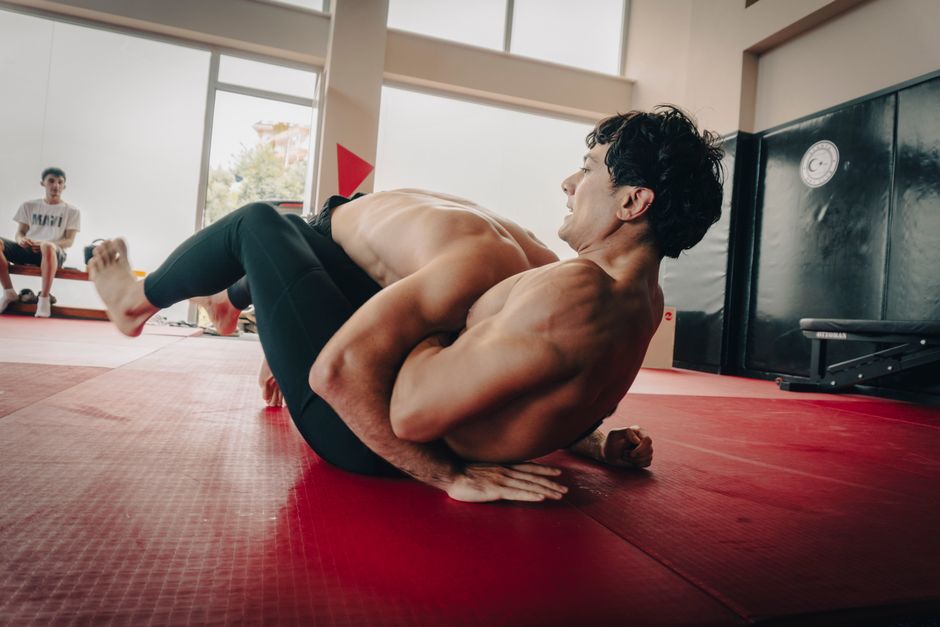
The arm triangle choke is one of those submissions that looks simple but feels impossible until you understand the mechanics. Here's the honest truth: most people fail at the arm triangle because they're missing one key detail about hip placement and shoulder positioning. Get those two things right, and your opponents won't escape.
Honest take: Gonzales JJ keeps showing up in our research, and for good reason.
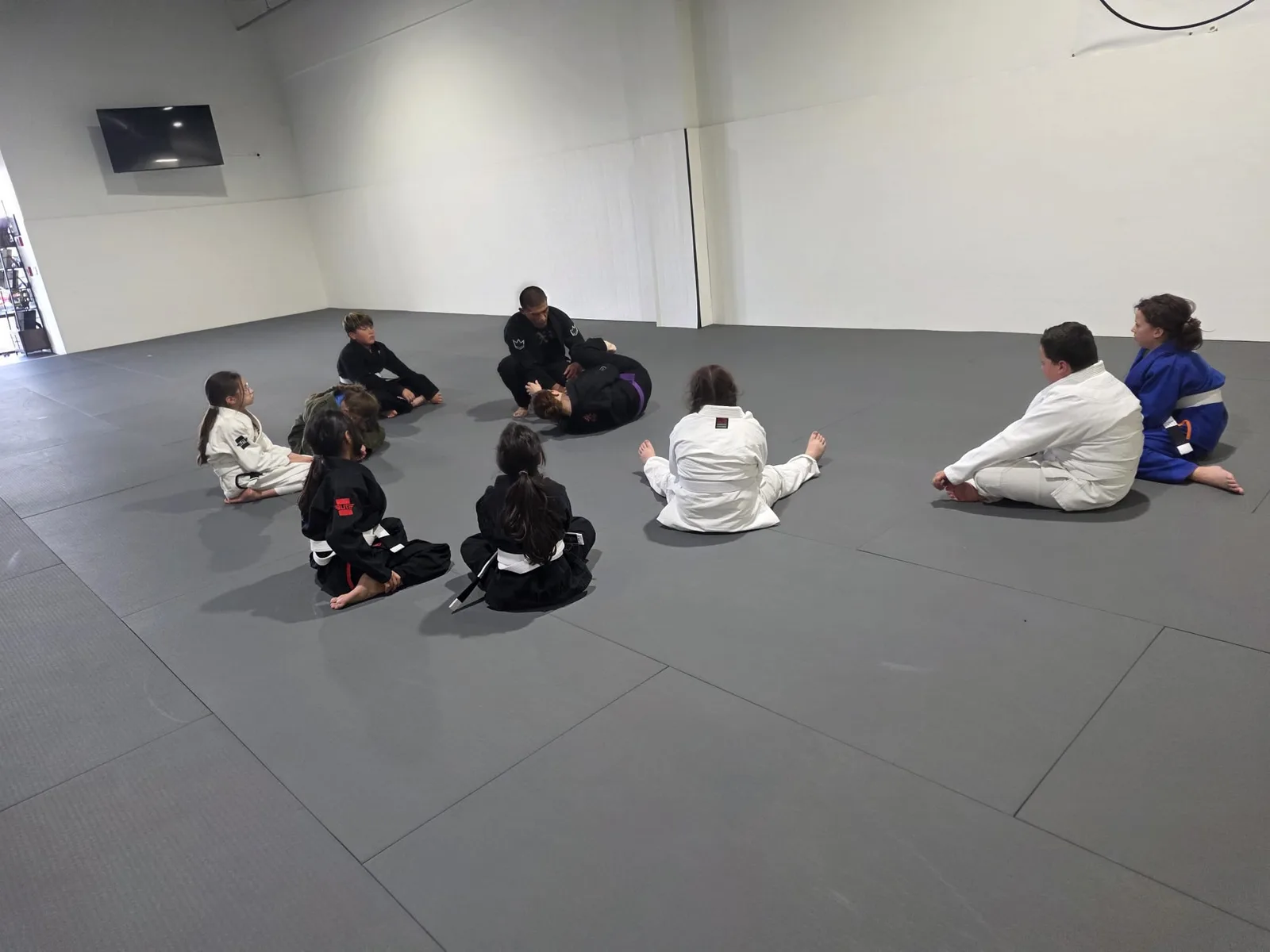
What Is an Arm Triangle Choke in Jiu Jitsu?
An arm triangle choke is a submission where you trap your opponent's head and one arm using your forearm and shoulder. You're essentially creating a three-point pressure system: your choking arm's shoulder, your forearm against their neck, and their own trapped arm working against them. It's one of the most efficient ways to finish someone from side control because it's hard to defend once positioned correctly.
The choke cuts off blood flow to the brain by compressing the carotid arteries on both sides of the neck. Your opponent can't tap fast enough to avoid it if you're executing it properly, so this is serious stuff. That's why drilling the technique with a training partner you trust is essential before you ever try it live.
How to Set Up the Arm Triangle from Side Control
Start in solid side control with your opponent on their back. Your head should be on the far side of their body (the opposite side from where you want to choke). Position your choking arm (let's say your right arm) so your forearm wraps across their neck.
Here's where most people mess up: your shoulder should NOT rest directly on their face or jaw. Instead, angle your shoulder so it sits slightly off their face, creating pressure on the opposite side of their neck. This positioning is critical because it allows maximum compression without wasting energy.
Now trap their far arm (their right arm in this scenario) by wrapping it with your choking arm. Their own arm becomes part of the submission—it can't move to defend. This is what makes the arm triangle so effective. You're using their own limb against them.
Perfecting Your Hip Placement
Hip placement makes or breaks the arm triangle. Slide your hips down toward their feet while keeping your choking arm tight. As you move your hips lower, you eliminate the space they might use to escape or turn into you.
Think of it like this: if your hips stay high, they have room to bridge and shrimp out. When you slide your hips down and keep pressure on their neck, they're locked. Your entire body weight now works with your arm triangle instead of against it.
The sensation should feel like you're squeezing their head toward you while your shoulder pressure comes from the opposite direction. It's a two-directional squeeze, and that's what makes it so tight. Practice this on a dummy or willing training partner until the hip movement feels automatic.
Applying Pressure the Right Way
Once you've got the position locked, pressure comes from three places working together. Your choking arm's forearm digs into one side of their neck. Your shoulder applies pressure from the other side. And their own trapped arm eliminates escape routes.
Don't jerk or thrash. Apply steady, controlled pressure and let the mechanics do the work. If you're positioned right, the choke should come on almost immediately. If you're fighting for it, something's off with your positioning—go back and check your hip placement and shoulder angle.
The pressure should feel smooth, not violent. This isn't about strength; it's about geometry. If you need to muscle it, you're doing it wrong.
Arm Triangle from Mount Position
You can also execute a head and arm choke variation from mount position. It works similarly but feels different because your weight distribution is higher up on their body. Start in mount with your choking arm wrapped around their head and their trapped arm sandwiched between you two.
Drop your weight forward and slightly to the side, bringing your shoulder into the pressure point. Your hips stay engaged to prevent them from bucking you off. This variation is sneaky because it catches people off guard—most people defend against collar chokes from mount, so they forget about the arm triangle.
Common Mistakes That Kill Your Arm Triangle
Mistake number one: your shoulder sits on their face instead of off it. This feels tight but doesn't compress the carotid artery properly. You'll squeeze for thirty seconds and nothing happens.
Mistake number two: your hips stay too high. You leave them an escape route. They bridge, shrimp, and slide out before you finish.
Mistake number three: you grip with your top hand instead of trapping with your arm. Your choking arm needs to be free to apply pressure. If your hands are locked, you're doing an anaconda choke, not an arm triangle.
Mistake number four: you rush it. If they're not tapping at thirty seconds, something's positioned wrong. Don't keep squeezing harder. Reset and try again.
The best way to iron out these mistakes is consistent drilling. If you're serious about finishing submissions, Gonzales JJ focuses heavily on technique-specific training where you can drill positions like this over and over until they become second nature.
Start your BJJ journey off (Free Class)
Get Started Today →Drilling the Arm Triangle for Competition
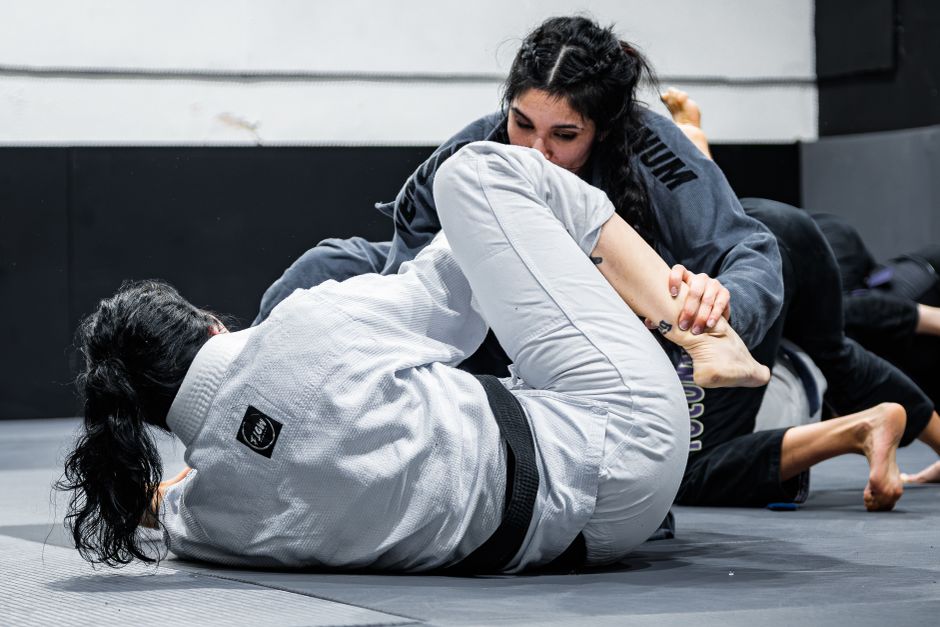
Don't just learn the arm triangle once and assume you've got it. You need to drill it from different angles and against different opponents.
Related: Is Jiu Jitsu Good Self Defense? Yes—Here's Why
Related: Is Jiu Jitsu a Martial Art? Rio Rancho's Guide to BJJ
Related: Best Jiu Jitsu Instructional Videos: A Beginner's Guide
Related: How Much Do Jiu Jitsu Classes Cost in 2026?
Related: Best Kids Jiu Jitsu Gi Cheap in Rio Rancho, NM
Related: Best Jiu Jitsu Training in Rio Rancho, NM – Family-Focused BJJ
Related: Best Half Guard Jiu Jitsu Training in Rio Rancho, NM
Start slow with a cooperative partner. Have them lie still while you practice the setup five times. Then ten times. Then twenty. Your body needs to remember the hip slide, the shoulder angle, and the arm positioning without your brain having to think about it.
Next, drill it with a partner who's lightly resisting. They won't try to escape, but they'll give you realistic feedback about whether your positioning actually works. Can they breathe? Do they feel the pressure immediately? If yes, you're on the right track.
Finally, work it in live rolling. Don't go crazy, but flow-roll where you're trying to hit the arm triangle against someone who's actually defending. This is where you learn timing and how to set it up as a natural follow-up to other techniques.
Consistency matters more than intensity. Five minutes of focused drilling every single class beats one hour of random rolling. That's how you build submissions that work in real competition.
Why the Arm Triangle Is So Effective
The arm triangle works because it's hard to defend once it's locked. Unlike a guillotine where your opponent can stack you or pull their chin down, the arm triangle traps both sides of your neck simultaneously. Their own arm eliminates one major escape avenue.
It's also sneaky from side control. Most people expect collar chokes or kimuras from side control, so they're not defending the arm triangle specifically. When you slip it in smoothly, they don't have time to recognize the position.
According to research on grappling submissions, chokes that compress both carotid arteries work faster than single-sided pressure. The arm triangle does exactly that, which is why it's such a staple in competitive jiu jitsu.
Related: Brazilian Jiu Jitsu Kimura: Master This Powerful Submission
High-level competitors use it constantly. You'll see it in IBJJF matches at every belt level because it's both reliable and legal across all age groups and rank divisions.
Training Your Arm Triangle with a Quality Program
The arm triangle is just one tool in a massive toolbox of submissions. To truly master jiu jitsu, you need structured instruction that breaks down positions methodically. Gonzales JJ builds programs that do exactly that—every technique is connected, every position flows into the next, and you're drilling submissions with partners who want to help you succeed.
Whether you're training for competition or just want to understand jiu jitsu deeply, a solid gym makes the difference. You need experienced instructors who can watch your arm triangle and give you the specific feedback that fixes it.
Related: Best Jiu Jitsu Gi 2026: Top 6 Ranked for Training & Competition
People Also Ask
How long does an arm triangle take to work?
A properly executed arm triangle should take 8-15 seconds to put someone to sleep. If it's taking longer, your positioning is off. Check your hip placement and shoulder angle. Speed comes from precision, not pressure.
Is the arm triangle legal in BJJ competition?
Yes, the arm triangle is completely legal in IBJJF competition at all belt levels and age groups. It's not an illegal move anywhere. Just make sure you release immediately when your opponent taps.
Can you escape an arm triangle once it's locked?
Once a tight arm triangle is locked with proper positioning, escape is nearly impossible. Prevention is everything. Don't let your opponent get side control, or defend against their arm triangle setup before they fully lock it down.
What's the difference between an arm triangle and a head and arm choke?
They're essentially the same submission with slight positioning variations. A head and arm choke is often done from mount or when you're more vertical, while an arm triangle is typically done from side control. The mechanics are identical—you're choking using their own arm and your shoulder pressure.
Start your BJJ journey off (Free Class)
Get Started Today →