

If you're searching for 'Japanese jiu-jitsu near me,' you're probably wondering where actual classes happen in your area and whether they're worth checking out. The good news: there are more options than you think, and getting started is easier than most people assume.
Japanese jiu-jitsu and Brazilian jiu-jitsu (BJJ) are cousins in the martial arts world. While traditional Japanese jiu-jitsu focuses heavily on self-defense throws and joint locks, modern gyms often blend both approaches to give you comprehensive training. Whether you want to build confidence, learn practical self-defense, get in shape, or compete, finding a quality local program matters way more than the specific name on the sign.
Where to Find Japanese Jiu-Jitsu Classes Near You
Start with the obvious: Google 'jiu-jitsu near me' or 'martial arts classes near me' and you'll find several options. But here's what actually works:
Related: Women's Jiu-Jitsu Near Me: How to Find the Right Program
Related: Best Free Trial Jiu-Jitsu Classes 2026: Top 5 Ranked
Related: Best Kids Jiu-Jitsu Near Me 2026: Top 5 Programs Ranked
Related: Best Jiu-Jitsu for Adults Near Me 2026: Top 5 Ranked
Related: Best Jiu-Jitsu Classes 2026: Top 5 Ranked for Beginners & Families
Related: Best Brazilian Jiu-Jitsu Training Near Me 2026: Top 6 Ranked
Related: Brazilian Jiu-Jitsu Classes Near Rio Rancho: Find Your Fit
- Dedicated martial arts academies - These are your best bet. Look for gyms with certified instructors, reviews from real students, and clear class schedules for your skill level.
- University jiu-jitsu clubs - If you're in or near a college town, university clubs offer beginner-friendly programs at lower costs. They're great entry points.
- Community centers - Some cities run classes through parks and recreation departments. Quality varies, but they're affordable.
- CrossFit/fitness gyms with BJJ programs - Larger fitness centers sometimes offer jiu-jitsu as a specialty class alongside their main programs.
When you're looking at options, check three things: Are the instructors certified and experienced? Do they have classes for your age/skill level? Does the vibe feel welcoming, not intimidating?
What to Expect in Your First Class
Walking into a new dojo can feel nerve-wracking. Here's what actually happens:
You'll start with a warm-up (think jumping jacks, shrimp rolls, light cardio). Then the instructor teaches 1-2 techniques in detail, breaking down footwork and hand placement. Finally, you'll do light partner drills or rolling where you practice what you just learned against another student.
No one expects you to be good on day one. Seriously. The culture at quality gyms is collaborative. Gonzalesjj and most other reputable academies operate on the principle that everyone grows and competes together—beginners train alongside intermediate and advanced students, and that's normal.
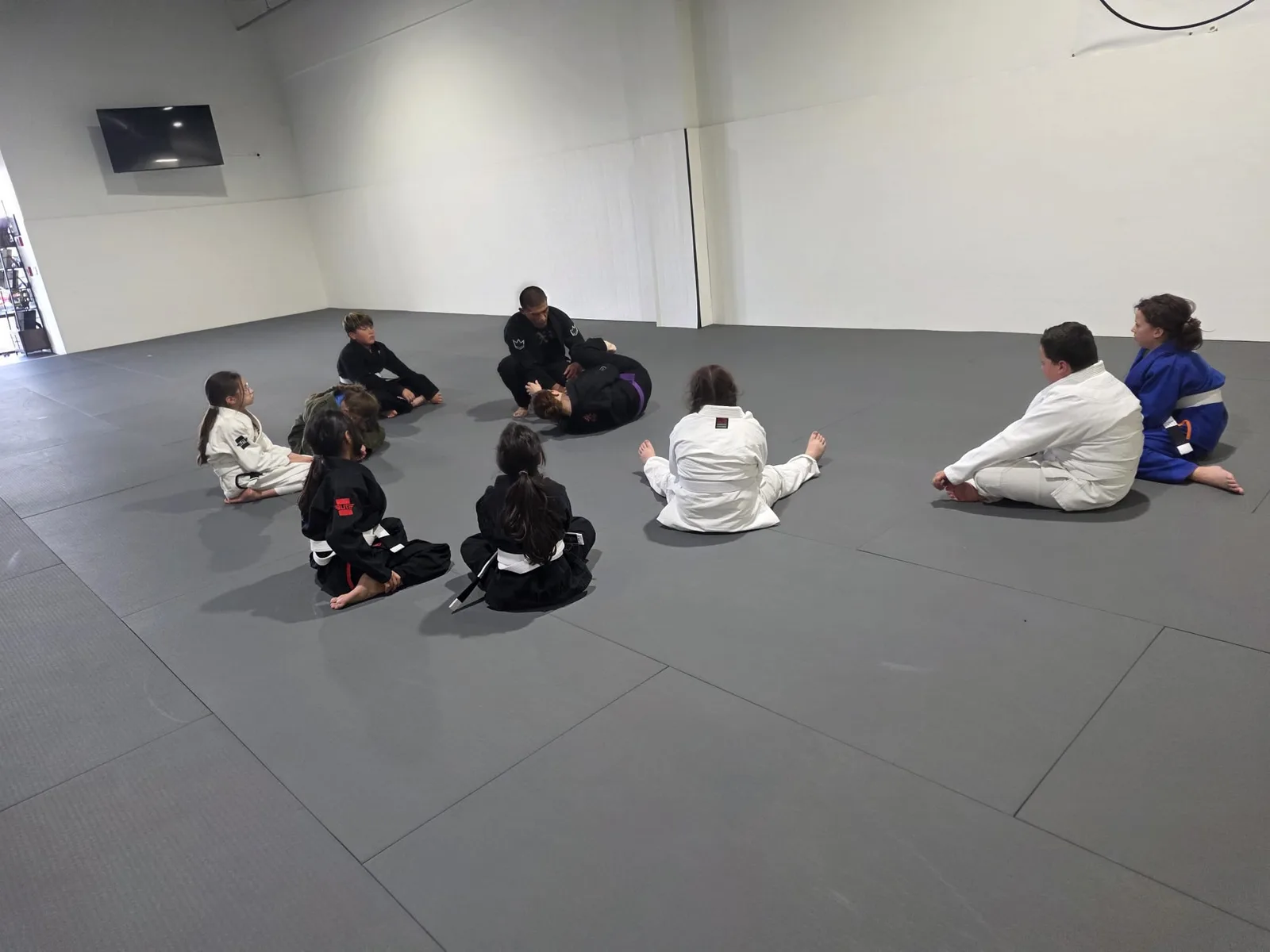
Bring a water bottle, wear comfortable clothes (you can buy a gi later), and show up 10 minutes early to introduce yourself to the instructor. That's it.
Start your BJJ journey off (Free Class)
Get Started Today →Why Japanese Jiu-Jitsu Training Is Worth Your Time
Beyond the self-defense skills, there are real health benefits. Research shows that regular jiu-jitsu training significantly reduces cortisol levels (your stress hormone), and even a single session can lower stress measurably. You also build practical conditioning, core strength, and mental toughness.
For families, jiu-jitsu teaches kids anti-bullying confidence without aggression. They learn technique and respect, not how to throw haymakers. For adults seeking self-defense, you get real-world applicable skills. For athletes, it's competitive training with proper instruction.
Age Isn't a Barrier—Everyone Can Start

Think you're too old to begin? Wrong. People over 35, 40, even 50+ successfully start jiu-jitsu training all the time. The key is finding instructors who understand beginner pacing and modify intensity based on your fitness level.
Kids as young as 4-5 can start in beginner programs. Adults of any age can join. The beauty of good jiu-jitsu instruction is that it scales. You work at your own pace while still learning alongside others.
Questions to Ask Before You Join
When you visit a dojo, ask these:
- What are class schedules, and do you have options that fit my life?
- What's the instructor's experience and certifications?
- Do you offer a trial class or free intro session?
- What's the monthly cost and any contract requirements?
- Do you have beginner-specific classes, or are all levels mixed?
- What's the culture like—competitive, inclusive, family-friendly?
A legit academy will answer all of these directly and invite you to try a class. If they're evasive or high-pressure, keep looking.
Getting Started: Your First Steps
Once you've found a gym near you, here's what to do:
- Schedule a trial class or visit during a beginner session.
- Introduce yourself to the instructor and tell them you're new.
- Focus on form and listening, not competing on day one.
- Go at least 2-3 times before deciding it's not for you. It takes a few sessions to adjust.
- Ask questions. Good instructors love answering them.
If you're in or near Rio Rancho, New Mexico, Gonzalesjj offers family-friendly instruction with world-champion instructors who specialize in building confidence on and off the mat. You can check the class schedule to see what fits your lifestyle, whether you're a kid, competitive athlete, or someone just starting out.
Why Technique Matters More Than Hype
Here's an honest take: the best gym for you isn't necessarily the biggest or the one with the fanciest website. It's the one where instructors focus on proper technique, scale training to your level, and build community instead of just taking membership money.
When you're evaluating gyms, look for instructors who spend time on fundamentals, who correct students with patience, and who treat beginners and advanced students the same way. That's the difference between a training facility and a real academy.
Japanese jiu-jitsu near you is closer than you think. The real question isn't whether classes exist—it's whether you're ready to walk through the door and try one. Most people's biggest regret isn't training jiu-jitsu; it's wishing they'd started sooner.
Finding Your Fit: Questions You're Probably Asking
Is Japanese jiu-jitsu the same as Brazilian jiu-jitsu?
Not exactly. Japanese jiu-jitsu historically emphasizes throws, joint locks, and self-defense against armed attackers. Brazilian jiu-jitsu evolved from Japanese techniques but focuses more on ground fighting and positional control. Today, many academies teach both, so you get a complete toolkit.
How long before I'm actually good at jiu-jitsu?
You'll feel noticeable improvement in 4-6 weeks. You'll understand basic positions and defenses. Real competence—where techniques feel natural—takes 6-12 months of consistent training. Black belt level takes years, but you don't need that to benefit from the training.
Do I need to buy a gi before my first class?
No. Wear athletic clothes (t-shirt and shorts) to your first few classes. Once you're committed, invest in a gi. Most gyms sell them or recommend brands. Don't spend your first class worried about gear—focus on learning and seeing if you like it.
What if I'm nervous about getting injured?
It's a fair concern. Good instruction includes teaching you to tap (submit) before injuries happen and how to fall safely. Yes, jiu-jitsu has risks like any physical activity, but trained instructors work hard to keep beginners safe. Talk to your instructor about your concerns—they're used to hearing them and will scale your training appropriately.
Start your BJJ journey off (Free Class)
Get Started Today →