
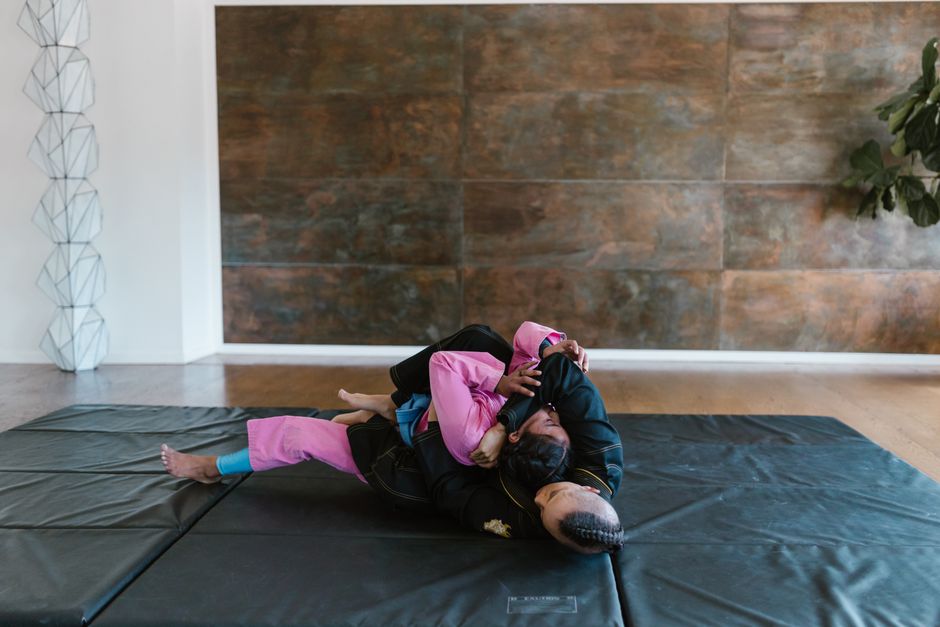
Being trapped in bottom mount is one of the most frustrating positions in jiu jitsu, especially when you're starting out. The good news? You can escape it consistently once you learn the core techniques and practice them the right way.
In this guide, we're breaking down the main jiu jitsu escapes from mount, showing you exactly how to execute them, and sharing what makes the difference between a failed escape and a smooth reversal. Whether you're a beginner getting smashed regularly or someone looking to tighten up your defense, these techniques work.
Related: Jiu Jitsu Guard Passing: 5 Core Techniques to Master
What Makes a Mount Escape Actually Work
Before we get into specific moves, let's talk about what separates a successful escape from a failed one. Three things matter: proper technique, timing, and leverage.
Related: Jiu Jitsu Moves List: 20+ Essential Techniques for Beginners
Related: Jiu Jitsu Submissions List: 37+ Techniques Explained
Related: Jiu Jitsu Takedowns: Techniques & Tips for Beginners
Technique means doing the move exactly right. Timing means catching your opponent at the moment when they're off-balance or their weight isn't where it needs to be. Leverage means using your skeleton and body positioning to amplify your strength so you don't just muscle your way out.
Most beginners nail the technique but miss the timing or fail to set up the leverage correctly. You'll see this constantly when rolling—someone knows the escape but can't quite make it happen under pressure. That's why Gonzales JJ emphasizes positional drilling alongside live rolling. You need reps to feel when the moment is right.
The Upa (Bridge and Roll)
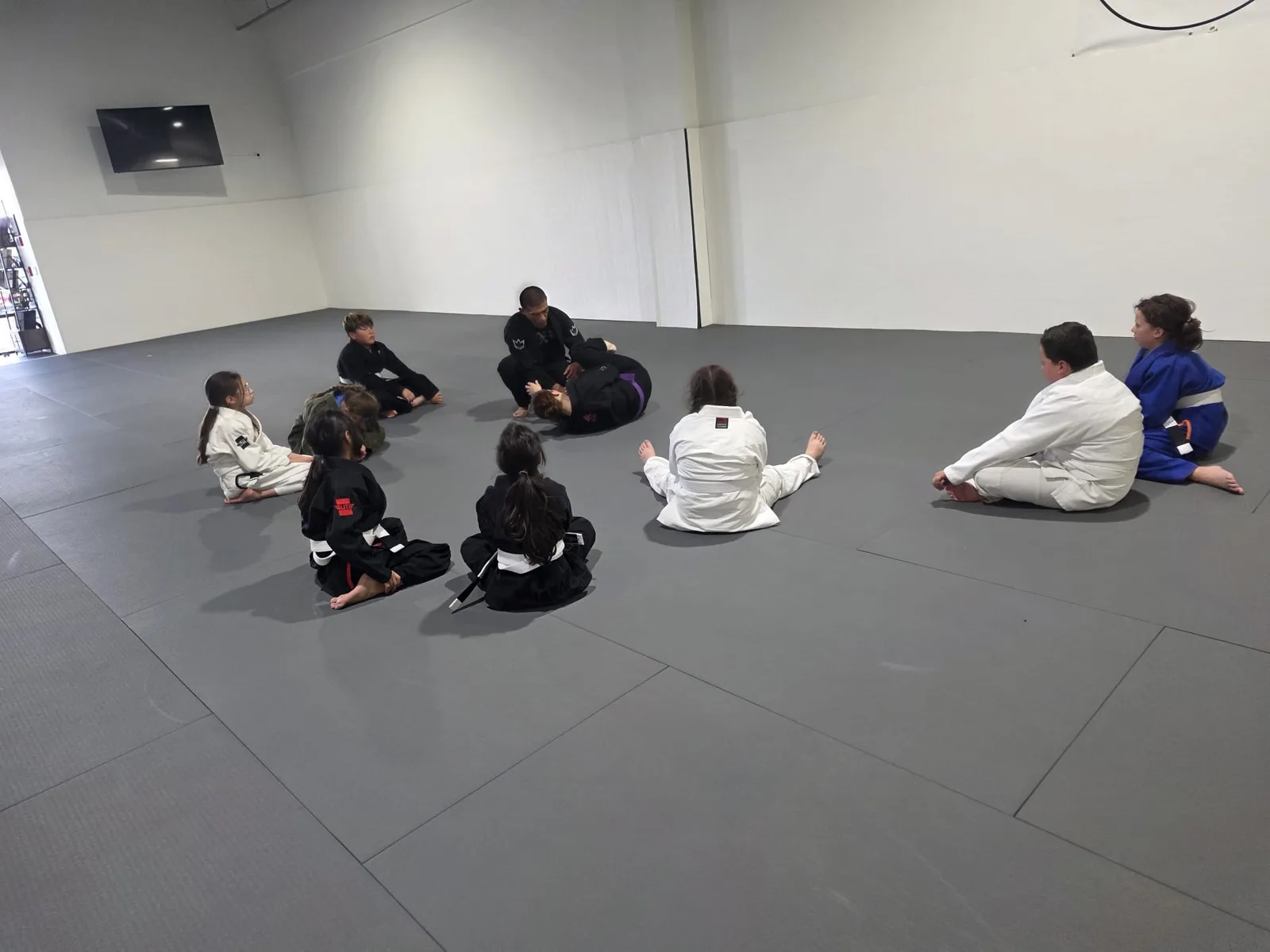
The upa is the king of mount escapes. It's the one move almost every beginner learns first, and for good reason: it works against almost anyone if you execute it properly.
Here's how it goes:
- Trap both of your opponent's arms against your chest with your hands.
- Drive your hips up explosively into their chest while pushing down with your arms.
- As they roll forward, drive your weight through your shoulder and hip to complete the roll onto top.
The key is the explosion. Don't slowly bridge. Explode hard enough that your opponent has to go over you or you'll crush their ribs. Time it when their weight is forward and they're not expecting it.
A common mistake is going for the upa without properly trapping both arms. If one arm is free, they can post and stop the roll. Lock both hands together or grip both wrists before you even think about bridging.
Trap and Roll From Mount
Trap and roll is your plan B when the upa isn't available, usually because your opponent is staying back on their heels instead of leaning forward.
The setup:
- Catch one of their arms as they try to post or control you.
- Trap their arm under you and turn your shoulders away from them.
- Roll explosively toward the trapped side, using your shoulder momentum to roll them over.
This escape works great when your opponent is sitting upright in mount or when they base out with an arm. It's also a little less explosive than the upa, so it works well if you're tired or your opponent is heavier.
The Elbow Escape (Shrimp)
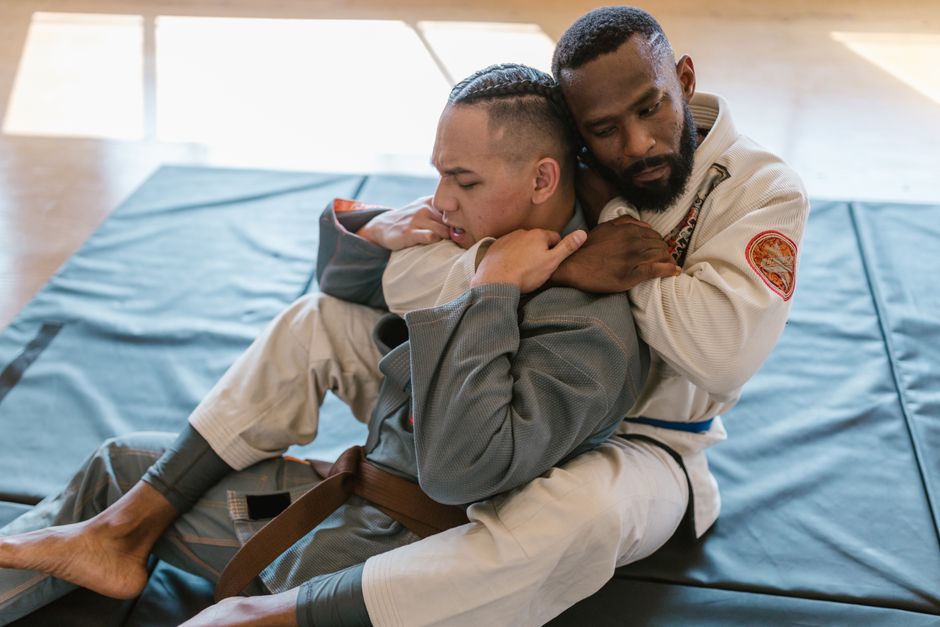
The elbow escape is slower and more methodical than the upa, but it's incredibly reliable when you're dealing with a heavy, settled opponent.
What you do:
- Plant one foot on the ground as close to your glute as possible.
- Turn your hips sideways and drive your knee toward your chest, sliding your leg underneath you.
- Shrimp (push your hips away from your opponent) to create space and get a leg into their hip.
- Continue shrimping to escape to their side control or recover guard.
This one doesn't feel as satisfying as a roll, but it's less dependent on explosive power and timing. If your opponent is pinning you heavy and the upa keeps failing, the elbow escape will get you out.
The Frame and Post Escape
Sometimes the smartest escape is preventing the mount in the first place. Once you're there, framing and posting helps you buy time and create angles for other escapes.
How it works:
- Push off your opponent's chest or neck with both palms, arms straight.
- Create distance and force them to sit back or readjust.
- Use that moment to post a foot on the ground and start shrimping or setting up another escape.
A strong frame can tire out your opponent's arms or make them change their position. Once they adjust, a new escape opportunity opens up. Framing isn't a finish, but it's part of your escape toolkit.
The Underhook Escape
If you manage to get an underhook to their arm or body, you've created a serious problem for them. From there, you can turn the tables pretty quickly.
The sequence:
- Grip deep under one of their arms and pull them close to you.
- Turn your shoulders hard into them and drive your hips up.
- Roll toward the underhook side, using your grip and shoulder to force them over.
This escape often catches people off-guard because your opponent expects you to create space, not pull them closer. The closer grip and turning angle make it hard for them to resist.
Timing and Repetition Are Everything
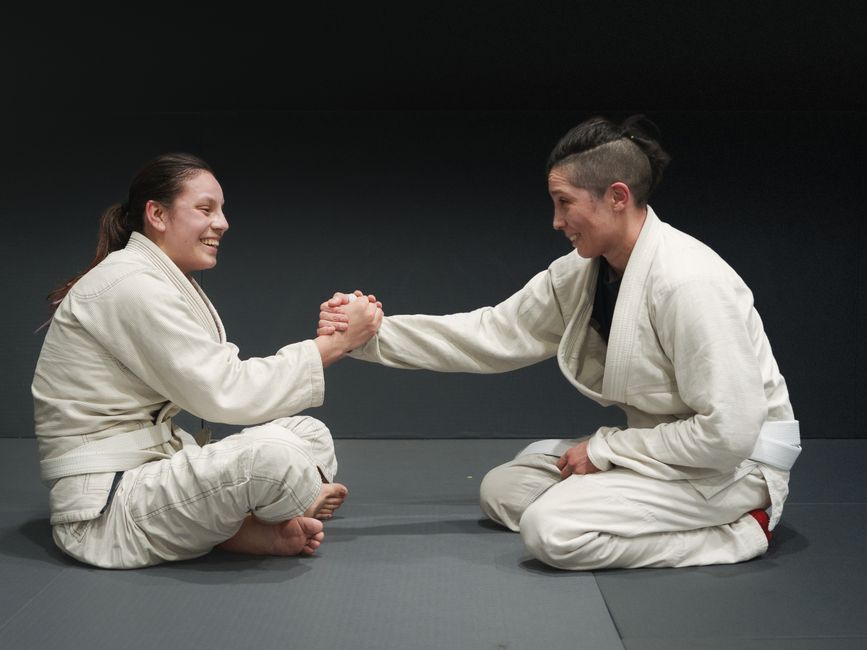
Knowing these five escapes won't help you if you've only practiced each one twice. The real progress comes from drilling them repeatedly against different partners, in different scenarios, and with different pressure levels.
Positional sparring is your best friend here. Roll with a training partner, let them mount you, and focus only on escaping. Reset and do it again. Do this 10, 20, or 30 times in a session. After weeks of this kind of dedicated practice, your escapes will become automatic.
You'll start to feel when your opponent's weight is loaded toward one side. You'll recognize the exact moment their arm comes loose. You'll know instinctively which escape to pick based on how they're sitting on you. That's what consistent drilling gives you—and it changes the game.
If you're looking to level up your fundamentals in a structured environment with coaches who know how to break down these details, Gonzales JJ offers personalized instruction that helps you build these escapes on a solid foundation.
Start your BJJ journey off (Free Class)
Get Started Today →Building a Strong Defense Mindset
One thing people don't always talk about: your mindset matters as much as the technique. If you panic under mount, you'll burn energy, miss opportunities, and make mistakes. If you stay calm and methodical, you'll see the opening and take it.
Every time you find yourself in bottom mount, treat it like a puzzle. Don't thrash. Feel your opponent's weight distribution. Check which escape is available. Execute with precision. Over time, getting mounted becomes less scary and more like a problem you know how to solve.
This mindset—staying composed under pressure and working through problems with technique—transfers everywhere in jiu jitsu and beyond. That's why the escapes matter so much. You're not just learning a move; you're learning how to think.
Common Mistakes to Avoid
Watch out for these:
- Waiting too long: Don't let your opponent get fully settled and comfortable. Escape early when they're still adjusting.
- Muscle over technique: If you're using pure strength instead of leverage and timing, heavier opponents will crush you. Technique first.
- Forgetting to trap the arms: An upa without both arms trapped isn't an upa. You're just bridging into a post.
- Giving up on timing: If the escape doesn't work the first three times, don't assume it's broken. You're probably just missing the timing window.
- Only practicing one escape: Develop multiple options so you can adapt when your go-to doesn't work.
FAQs About Mount Escapes
What's the easiest mount escape for beginners?
The upa is easiest to learn but hardest to time. The elbow escape (shrimp) is actually easier to execute consistently because it's less dependent on split-second timing. Start with both, but expect the upa to click faster since it's more popular and you'll see it drilled more often.
How long does it take to get good at escaping mount?
If you drill mount escapes seriously—like 15 to 20 minutes per training session focused just on this—you'll see big improvement in 4 to 6 weeks. You'll be proficient in about 2 to 3 months of consistent practice. Mastery takes longer, but functional escapes come faster than you'd think.
Can you escape mount without bridging or rolling?
Yes. The elbow escape (shrimp) and frame-and-post methods get you out without a bridge or roll. Some escapes also involve underhooks or arm drags that don't require explosive movement. Having options for different body types and pressure styles is important.
Do mount escape techniques work in self-defense?
The fundamentals absolutely do. If someone has mounted you in a self-defense situation, knowing how to escape using technique, timing, and leverage will get you to a better position. That said, self-defense and sport jiu jitsu have different priorities and rules. Train both contexts if self-defense is your goal.
Start your BJJ journey off (Free Class)
Get Started Today →