
You're standing at a crossroads. Your kid wants to learn martial arts, or maybe you're ready to start training yourself. You've heard about both jiu-jitsu and judo, and they sound similar enough. But here's the thing: they're fundamentally different sports with completely different outcomes. Understanding the difference between jiu-jitsu and judo will save you time, money, and help you pick the right path for your family's goals.
Let's cut through the confusion. While jiu-jitsu and judo share historical roots in Japan, they've evolved into distinct disciplines with different technical focuses, injury profiles, and real-world applications. If you're in Rio Rancho or the surrounding areas (Bernalillo County, Sandoval County, or heading up toward Albuquerque), knowing these differences is crucial before you commit to a program.
The Core Difference: Ground Game vs. Throwing Power
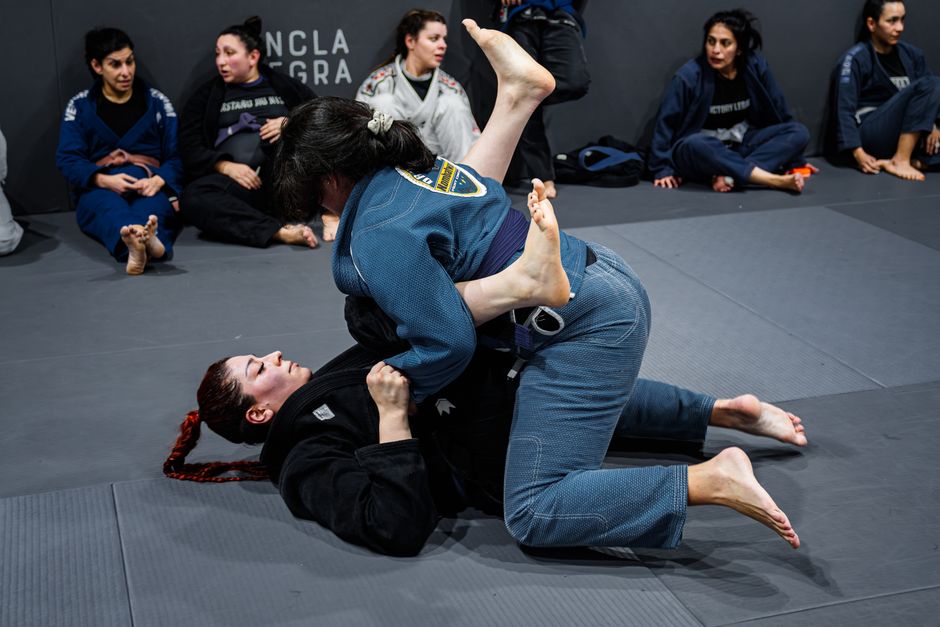
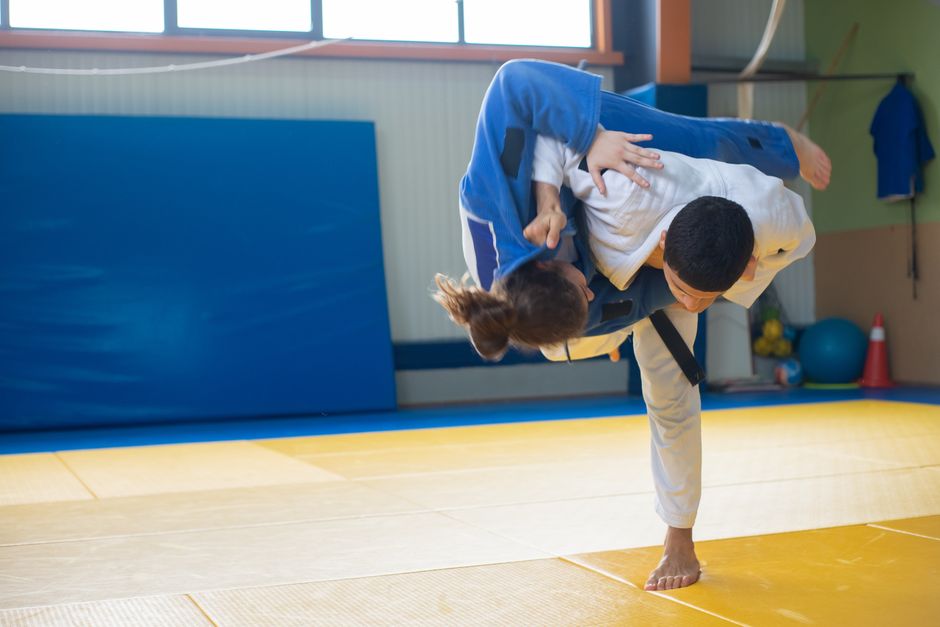
Here's the biggest distinction: judo is built around standing techniques and explosive throws. The goal is to take your opponent down hard and fast. Jiu-jitsu, on the other hand, emphasizes ground-based techniques, positional control, and leverage-based submissions. You're spending most of your time on the mat working for position and technical advantage.
This fundamental difference shapes everything else. In judo, you're learning to generate power, explosiveness, and quick dominance through throws. In jiu-jitsu, you're learning to control, escape, and submit through technique and strategy. One is about explosive force; the other is about tactical intelligence.
If you're looking for a training environment where technique matters more than raw power, where smaller athletes can compete effectively against larger opponents, and where the learning curve builds confidence over time, Gonzales JJ in Rio Rancho focuses specifically on the strategic, position-based approach that works for families and competitive athletes alike.
Injury Risk: Why This Matters for Your Family
This is where parents get nervous, and rightfully so. Research shows judo carries a higher injury rate overall, particularly when it comes to falls and improper throwing technique. When you're slamming people to the ground repeatedly, even in a controlled setting, the risk of shoulder injuries, neck strain, and impact-related damage increases significantly.
According to findings in peer-reviewed sports medicine research, judo injuries spike when falling mechanics aren't perfect or when instructors prioritize intensity over technique. Poor falling form can lead to wrist fractures, shoulder dislocations, and concussions.
Brazilian jiu-jitsu, by contrast, is generally less injury-prone. You're working on the ground where falls are controlled, and you're learning to tap out before serious damage happens. The emphasis is on technique and knowing your limits, not pushing through pain.
That said, injury risk in both sports correlates more with training intensity and instruction quality than the sport itself. A poorly run judo program with aggressive rolling will hurt people. A poorly run jiu-jitsu program can too. The difference is that jiu-jitsu's mechanics naturally lend themselves to safer training when done right.
Related: Women's Jiu-Jitsu Near Me: How to Find the Right Program
Related: Gi vs No-Gi Jiu-Jitsu: Which Style Is Right for You?
Training Environment and Culture
Walk into a typical judo dojo in the Rio Rancho area, and you'll often find a more competitive, high-intensity atmosphere with younger athletes pushing hard. That's not bad, but it means injury likelihood goes up. The culture tends toward "toughness" and explosive performance.
BJJ gyms, especially those built around family values and personal growth, foster a different vibe. You're encouraged to roll at your own pace, tap early and often, and focus on learning instead of proving yourself. This controlled environment means parents feel safer sending their kids, and adults can train without risking their jobs or mobility.
When you train at Gonzales JJ, founded by world-champion competitors Abie and Laura Gonzales, you're joining a community-driven gym where everyone grows and competes together. The instruction is personalized, the intensity is controlled, and the focus is on building winners both on and off the mat.
Start your BJJ journey off (Free Class)
Get Started Today →Self-Defense and Practical Applications
Here's a practical question: which one actually helps you defend yourself in real life?
Judo excels at one thing: taking someone down explosively. If you can execute a perfect throw, you've got control. But in a real self-defense scenario, you probably don't want to be trading throws on concrete.
Jiu-jitsu wins on versatility and real-world applicability. You learn to control, escape, and submit without relying on explosiveness or size. A smaller person can genuinely defend against a larger attacker because the techniques work on leverage and position, not power. For kids learning to prevent bullying, for women concerned about personal safety, and for adults wanting practical self-defense skills, jiu-jitsu delivers measurable confidence and actual tools.
This is especially true for young people in Rio Rancho and surrounding communities. When kids train jiu-jitsu, they're not just learning techniques; they're building the mental resilience and physical confidence that prevents bullying in the first place.
Related: What to Expect Walking Into a Jiu-Jitsu Dojo in Rio Rancho
Related: What to Expect When You Walk Into a Jiu-Jitsu Dojo in Rio Rancho
Which One Should You Choose?
If you want explosive athleticism and rapid skill development in a competitive setting, judo might appeal to you. You'll get fast results and a high-intensity community.
If you want a safer, more inclusive training environment where technique beats strength, where smaller athletes thrive, and where you can train sustainably without constant injury risk, jiu-jitsu is your answer. You're building skills that apply to self-defense, competition, and personal growth all at once.
For families in Rio Rancho and nearby areas (like Sandoval, Corrales, or even the North Valley of Albuquerque), jiu-jitsu aligns better with what parents are actually looking for: a safe place where kids build confidence, learn discipline, and stay active. Adults get the same benefits: technique-focused training, a supportive community, and zero ego-driven pressure to ignore injury warning signs.
If you're ready to explore what jiu-jitsu can do for your family, Gonzales JJ offers personalized instruction for competitive athletes, first responders, self-defense seekers, and families. They've been serving Rio Rancho families since 2024 with the same world-class technique that built champions, adapted for real people with real lives.
Start Training With Confidence
The difference between jiu-jitsu and judo isn't just technical. It's philosophical. Judo builds explosive competitors. Jiu-jitsu builds confident, skilled people who can defend themselves and thrive in competition without sacrificing safety or sustainability.
Your next step is simple: if you want to see the difference for yourself, visit Gonzales JJ in Rio Rancho. You'll train with instructors who understand both martial arts deeply and have chosen jiu-jitsu for good reason. Everyone grows and competes together, whether you're six years old or sixty.
Is judo more dangerous than jiu-jitsu?
Judo has higher injury rates overall, particularly from throws and falling mechanics. However, injury risk in both sports depends on training intensity and instruction quality. A well-run jiu-jitsu program is statistically safer than a poorly supervised judo program.
Can I learn self-defense from judo?
Judo teaches excellent throwing and takedown skills, which are valuable. However, jiu-jitsu covers more practical self-defense scenarios because it includes ground control, escapes, and submissions that work regardless of size or strength. For real-world personal safety, jiu-jitsu tends to be more applicable.
Which is better for kids?
Jiu-jitsu is generally better for kids because it's less injury-prone, allows smaller children to compete fairly against larger opponents, and builds genuine confidence through technique mastery. The culture emphasizes respect and controlled rolling rather than explosive competition, making it safer for developing bodies and minds.
Can adults start jiu-jitsu with no experience?
Absolutely. Jiu-jitsu is designed for all ages and ability levels. Unlike judo, which requires more athletic baseline and physical conditioning, jiu-jitsu accommodates beginners of any age or fitness level. You'll progress at your own pace, train alongside others with similar experience, and build strength and technique together.
Start your BJJ journey off (Free Class)
Get Started Today →