
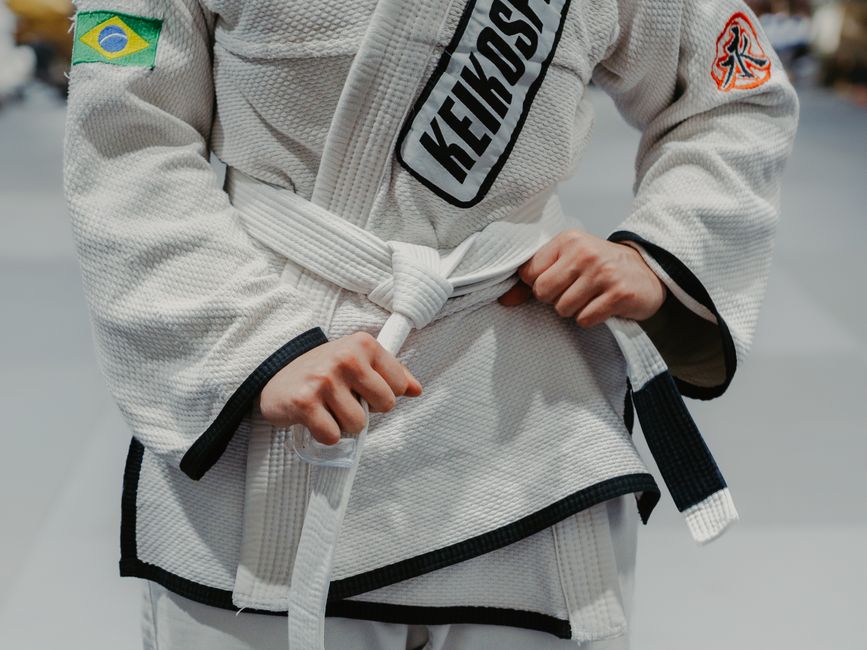
The kimura is one of the most fundamental and effective arm lock submissions in Brazilian Jiu-Jitsu. It's a shoulder lock that targets your opponent's arm by isolating and hyperextending their shoulder joint. Whether you're a beginner just starting out or an advanced grappler refining your game, understanding the kimura is essential to your BJJ toolkit.
What Exactly Is a Kimura in Brazilian Jiu-Jitsu?
A kimura is a submission hold that controls your opponent's arm by using your hands and body leverage to put pressure on their shoulder. The name comes from Masahiko Kimura, a legendary judoka who famously used this technique to defeat Brazilian Jiu-Jitsu pioneer Helio Gracie in the 1950s.
The submission works by combining two grips on your opponent's arm and rotating their shoulder inward. When applied correctly and with control, it forces your opponent to tap before injury occurs. The beauty of the kimura is that it's available from almost every position in BJJ—top, bottom, side control, north-south, and even in certain guard positions.
How to Set Up a Kimura from Side Control
The most common place to catch a kimura is from side control, where you already have positional advantage. Here's how to do it:
Step 1: Secure the arm. From your side control position, identify your opponent's near arm (the one closest to their head). Use your upper body to trap this arm against their chest or isolate it from their body.
Step 2: Create the first grip. Thread your arm over their arm and grab your own wrist or clasp your hands together behind their back. This grip should feel snug and controlled, not loose.
Step 3: Add the second grip. Reach down with your other hand and grab their wrist or forearm. This creates a figure-four lock that controls their entire arm.
Step 4: Apply pressure. Rotate your hips into them while pulling their arm toward your chest. Keep your grip tight and controlled. The pressure should come from your body weight and leverage, not just arm strength.
Step 5: Finish or maintain. Continue rotating and applying pressure until your opponent taps. If they're defending well, you can also use the kimura grip to control position and pass their guard.
Kimura Grip Variations You Should Know
Once you understand the basic setup, you can use the kimura grip from different positions. From top mount, you can threaten a kimura by controlling one arm and using your body weight to limit their escape options. From closed guard, you can catch a kimura when your opponent posts their hands to break your guard.
The grip itself is so versatile that you can use it for control and positional advantage even when you're not actively hunting the submission. Many grapplers use the kimura grip to prevent opponents from framing or escaping.
How to Defend Against the Kimura
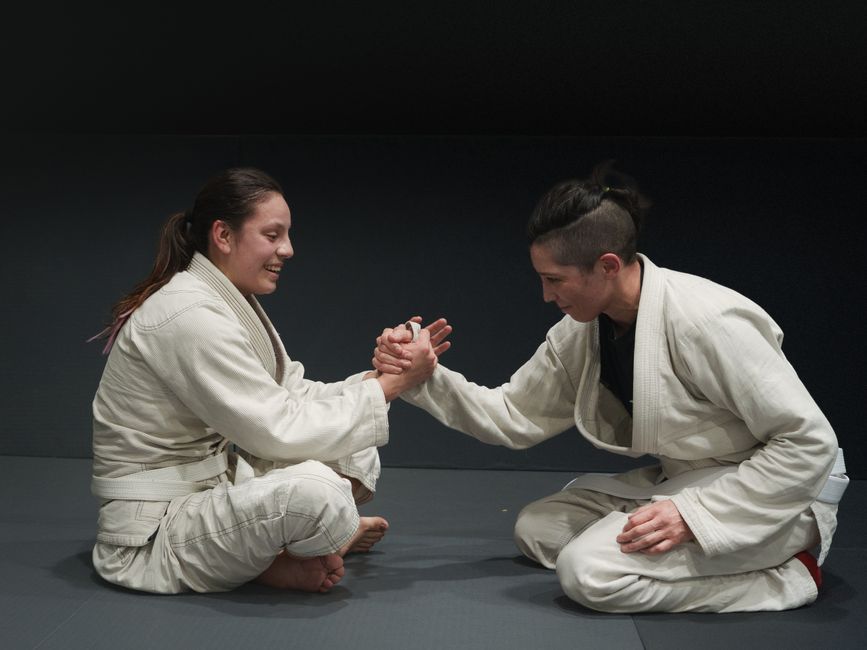
Defense starts with prevention. Keep your arms close to your body and avoid posting your hands in places where your opponent can isolate them. If you do find yourself caught in a kimura grip, you have several options:
- Tap early. This is always the safest option. Your shoulder is a delicate joint, and a well-applied kimura can cause injury. There's no shame in tapping.
- Relieve pressure. Move your hips toward the side where they're applying pressure. This creates slack in the lock and gives you time to escape or defend.
- Frame properly. If you have room, post your free hand on the mat or their body to create distance and reduce pressure.
- Rotate your shoulder. Some grapplers can rotate their shoulder outward slightly to relieve pressure, but this requires good timing and flexibility.
Why the Kimura Is Perfect for All Skill Levels
Beginners love the kimura because it's mechanically straightforward. You don't need exceptional strength or flexibility to catch it—just good grip strength and understanding of leverage. As you progress, you'll discover that the kimura teaches you about arm isolation, pressure control, and positional awareness.
Advanced grapplers use the kimura as a threat that opens up other techniques. The grip itself becomes a tool for control, not just submission. When your opponent defends the kimura, they often create openings for other submissions or position changes.
Training the Kimura Safely
Like all submissions, the kimura requires respect and controlled practice. Start slow when learning it. Have your training partners communicate clearly if something doesn't feel right. The shoulder can be injured quickly if the kimura is applied too fast or without control.
During drilling, practice applying the technique at about 70% intensity so you can feel exactly what's happening and develop good habits. When rolling, always prioritize your partner's safety. A tap is a tap—honor it immediately and move on to the next exchange.
If you want structured guidance on perfecting your kimura and all the fundamental techniques of Brazilian Jiu-Jitsu, Gonzales JJ offers technique-focused instruction for all ages and skill levels. You'll learn not just how to catch submissions, but how to do it safely and with proper control.
Start your BJJ journey off (Free Class)
Get Started Today →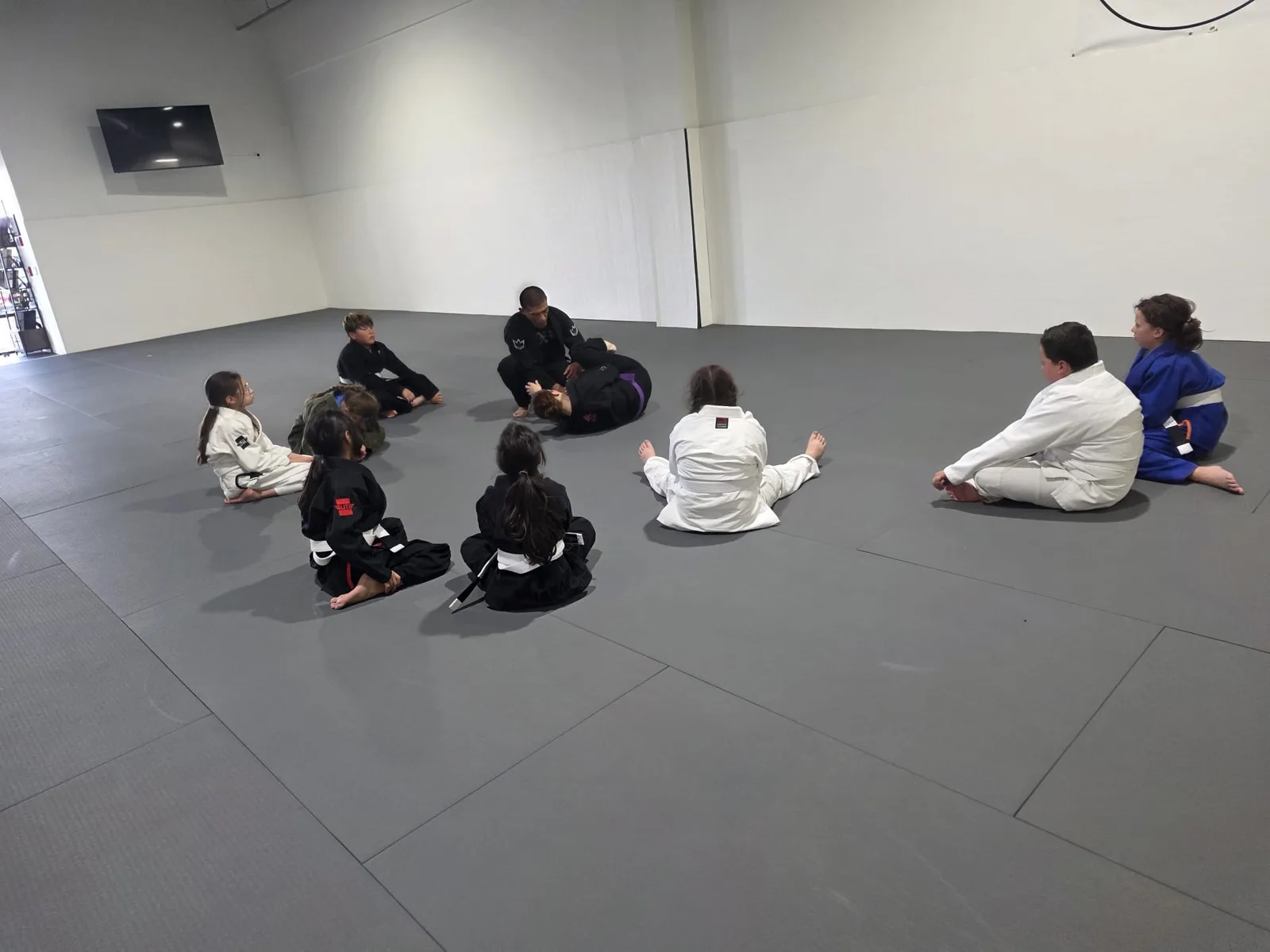
Common Mistakes When Applying the Kimura
One of the biggest mistakes is applying the submission too fast. Speed leads to accidents. Control your pace and let the leverage do the work.
Another mistake is using only arm strength. The kimura is a shoulder lock, which means your body weight and hip positioning matter more than muscular power. Use your hips and core to create pressure.
Don't forget to maintain good positional control while hunting the kimura. If you're so focused on the submission that you lose side control or mount position, you've given up your advantage. Sometimes keeping the grip and maintaining position is smarter than rushing the finish.
The Kimura in Competition and Rolling
In competition, the kimura is allowed at all belt levels, though submission rules vary by age and belt rank. Always check your specific ruleset before competing, but generally the kimura is a legal and respected submission across BJJ.
In casual rolling, the kimura is one of the most commonly caught submissions because it's so accessible from so many positions. Learning to both catch and escape it is part of your foundational BJJ knowledge.
Building Your Submission Game Beyond the Kimura
While the kimura is essential, your submission game should include arm locks, leg locks, and chokes. A well-rounded grappler threatens submissions from multiple angles and forces opponents to respect multiple attacks simultaneously.
The principles you learn from the kimura—isolation, leverage, body positioning, and control—apply to every other submission in BJJ. Master the fundamentals, and the rest of your techniques will improve alongside them.
Consistent training is what transforms technical knowledge into real skill. Whether you're rolling at a family-friendly BJJ academy or training on your own, show up regularly and drill these techniques with focus and intention.
What does kimura mean in BJJ?
Kimura is a shoulder lock submission named after judoka Masahiko Kimura. It isolates one arm and applies pressure to the shoulder joint by combining two grips and rotating the opponent's arm inward. It's one of the most fundamental submissions in Brazilian Jiu-Jitsu and is available from nearly every position.
Is a kimura dangerous?
The kimura can cause shoulder injury if applied without control or too quickly. The shoulder is a delicate joint with limited range of motion. Always apply the technique smoothly, give your partner time to tap, and tap immediately when caught. Controlled practice is safe practice.
Can beginners use the kimura?
Yes. The kimura is perfect for beginners because it doesn't require exceptional strength or flexibility. It teaches valuable principles about leverage and control. Start with slow drilling and always respect your training partners' signals to tap.
Related: Strength Training for Brazilian Jiu-Jitsu: The Complete Guide
Related: Teens Brazilian Jiu-Jitsu: Benefits, Skills & Getting Started
Related: Kids Brazilian Jiu-Jitsu: Benefits, Age Guide & Getting Started
Related: Judo vs Brazilian Jiu-Jitsu: Key Differences Explained
What's the difference between a kimura and an americana?
Both are shoulder locks, but they work differently. A kimura isolates the arm and rotates the shoulder inward (internal rotation). An americana (also called a V-lock) controls the arm differently and typically hyperextends the shoulder outward (external rotation). They're caught from similar positions but feel and finish differently.
Start your BJJ journey off (Free Class)
Get Started Today →