
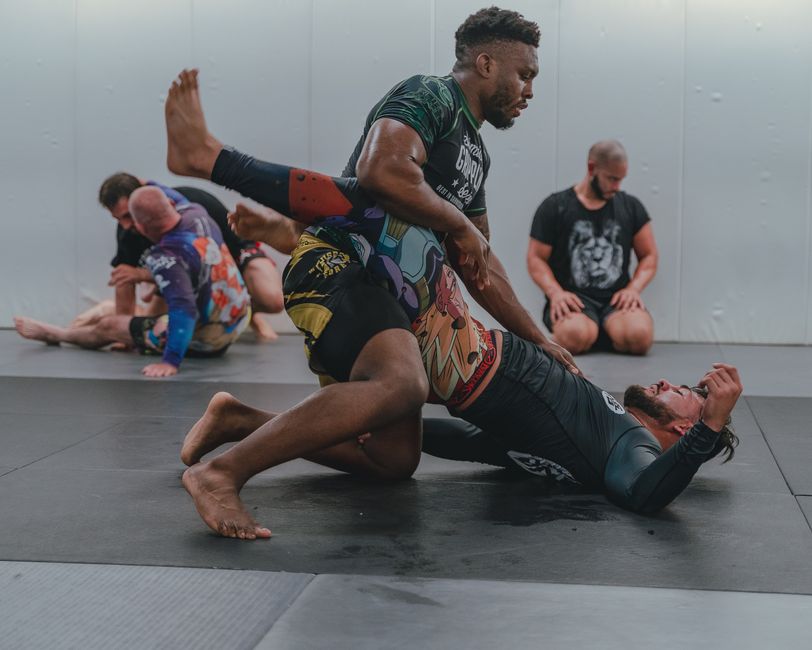
No gi jiu jitsu is Brazilian jiu-jitsu practiced without the traditional gi (that heavy kimono jacket). Instead, you train in a rash guard and shorts, which means faster movements, different grip options, and a totally different feel than gi training. If you've been curious about jumping into no gi training, here's everything you need to know to get started the right way.
What Exactly Is No Gi Jiu Jitsu?
No gi jiu jitsu takes all the core techniques of Brazilian jiu-jitsu and strips away the grip points that come from the gi itself. Without the jacket to grab, you're working with upper body control, leg attacks, and body positioning in new ways.
The pace tends to be faster. Submissions happen quicker because there's less fabric to work with. Footlocks and leg attacks become way more prominent since legs are exposed and grippy. Collar chokes? Gone. Sleeve grips? You're working from different angles now.
Think of it like this: if gi jiu jitsu is chess, no gi is speed chess. Both are legitimate, both teach you incredible technique, but the game moves differently. At Gonzales JJ, we teach both so you develop a complete skill set that works everywhere.
Related: Full Guard Jiu Jitsu: Complete Beginner's Guide
Related: BJJ Jiu Jitsu: A Beginner's Guide to Getting Started
Related: Leg Lock Jiu Jitsu: Complete Guide to Techniques & Defense
Related: Best Jiu-Jitsu Gi in Rio Rancho, NM: Complete Buyer's Guide
Related: Brazilian Jiu-Jitsu Guards: Complete Beginner's Guide
Related: Brazilian Jiu Jitsu No Gi: Complete Training Guide
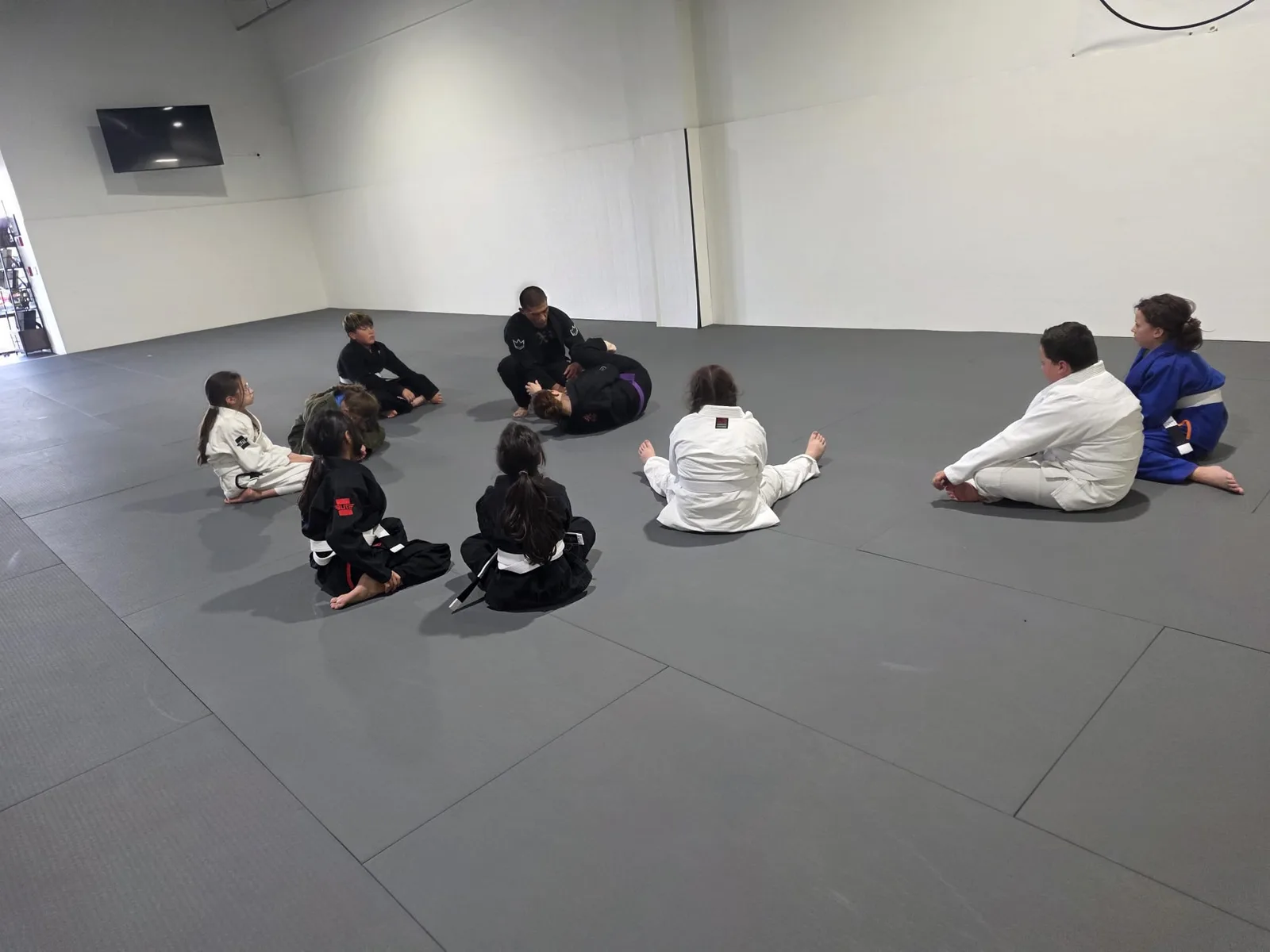
Essential No Gi Gear You'll Actually Need
You don't need much to start, but what you get matters for performance and comfort.
- Rash guard: This is non-negotiable. It protects your skin, wicks sweat, and gives you and your partner something safe to grip. Get a fitted one, not baggy.
- No gi shorts: Regular gym shorts don't cut it. No gi shorts are designed to move with you and won't slip down when someone's pulling on your legs.
- Spats (optional but recommended): These are compression leggings that go under your shorts. They protect your skin from mat burn and give you extra grip control during leg lock exchanges.
- Flip-flops or slides: For getting to and from the mat. Keep your feet clean.
Skip the heavy gi and invest in quality no gi essentials instead. You'll move better and feel way more comfortable in your training.
The Skin Health Reality: Hygiene Is Everything
Real talk: no gi training is a close-contact sport, and skin infections spread fast if people aren't careful. This is the part people don't always want to talk about, but it's critical.
The most common skin issues in jiu jitsu include ringworm (a fungal infection that shows up as round, itchy patches) and impetigo (a staph infection that creates red sores that rupture and form crusty scabs). Both are completely preventable with solid hygiene habits.
Here's your skin defense plan:
- Before training: Shower and make sure you don't have any open cuts or existing skin issues. If you do, stay home.
- During training: Keep the mat clean. Wipe down your training area if possible.
- After training (this is the big one): Don't wait. Shower immediately with warm water and a gentle cleanser. Wash your gi or rash guard right away too.
- Daily: Keep your skin clean and moisturized. If you notice anything unusual (itchy patches, weird bumps, oozing sores), see a dermatologist before you train again.
Look, community-focused training at Gonzales JJ means we take care of each other. That starts with respecting your training partners enough to stay clean and stay home if you're dealing with an infection. You wouldn't want someone bringing something contagious to your mat, right?
Start your BJJ journey off (Free Class)
Get Started Today →How No Gi Training Differs From Gi Training
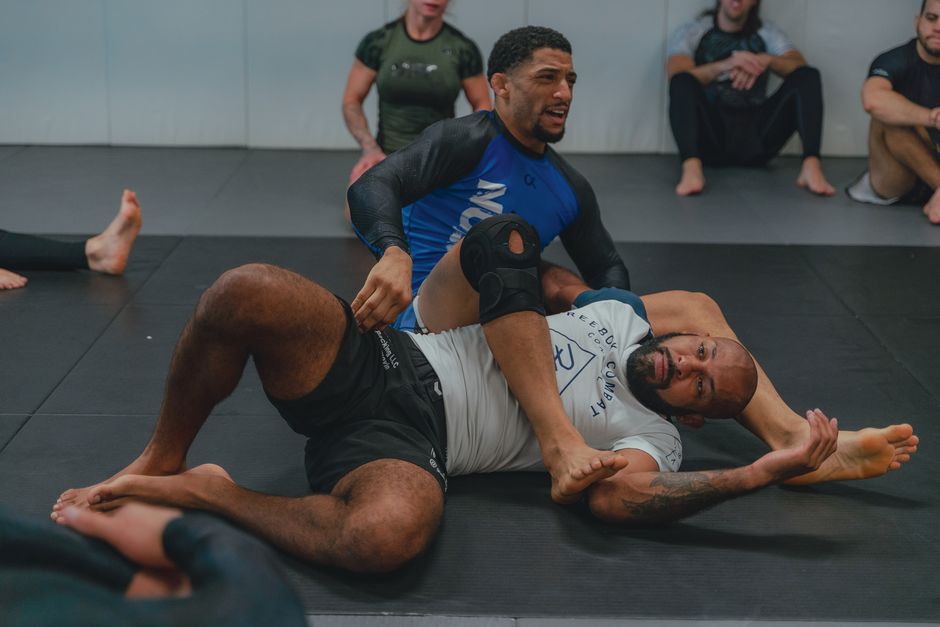
The techniques are similar, but the application is totally different, and your training approach needs to shift.
Grip game: In gi, you're fighting over lapel grips, sleeve grips, and collar control. In no gi, you're using underhooks, overhooks, clinches, and upper body control. Your hands find different leverage points.
Leg attacks: No gi opens up the leg game in a huge way. Footlocks, heel hooks, knee reaping—these become primary weapons instead of supplementary techniques. If you ignored leg attacks in gi, you can't do that in no gi.
Speed and rhythm: Everything moves faster. Escapes happen quicker. The pace is higher because grips are less secure. You need to adjust your timing and your pressure.
Wrestling integration: No gi training pairs beautifully with wrestling fundamentals. If you've done any wrestling, your takedown game transfers directly. Many competitors combine no gi jiu jitsu with wrestling training to become more complete athletes.
Getting Started: Your First No Gi Class
You don't need to be fit or experienced to walk into a no gi class. Here's what to expect and how to set yourself up for success.
Wear your gear properly. Rash guard tucked or fitted so it doesn't ride up. Shorts that actually fit. Spats if you have them. Check that nothing is loose or hanging—that's how people get injured.
Tell your instructor you're new. A good instructor will modify drills for you and keep an eye on your form. They want you to succeed.
Start slower than you think you should. No gi feels fast and chaotic at first. Tap early if something doesn't feel right. There's zero shame in it. Tapping is how you learn.
Hydrate and stretch after. Your muscles will feel different post-no-gi because the movements are different. Take care of your body.
If you're serious about no gi training and want structured progression from people who understand both gi and no gi deeply, Gonzales JJ offers technique-focused instruction that builds your foundation properly, whether you're training for competition or personal growth.
Related: Strength Training for Jiu Jitsu: Build Real Power
Common Mistakes Beginners Make
Rushing into hard rolling: You don't know your limits yet. Train technical. Build understanding first.
Neglecting footwork: In no gi, your feet matter way more than in gi. Don't skip footwork drills.
Ignoring leg lock defense: Legs are under attack constantly in no gi. Learn to recognize dangerous positions early.
Poor hygiene habits: This isn't a mistake, it's disrespect. Shower immediately. Wash your gear. Don't bring infections to the mat.
Training injured or sick: You're not tough. You're being selfish. Rest, recover, and come back stronger.
Why Train No Gi at All?

Some people wonder why they'd train no gi when gi training is so established. Good question.
No gi training makes you a more complete martial artist. You learn submissions and escapes that don't exist in gi. Your grip strength and upper body control develop differently. You get faster, more explosive, and your footwork improves because you can't rely on fabric grips.
If you ever compete, many competitions run both gi and no gi divisions. If you want options, you train both.
If you're training for self-defense, no gi is closer to real-world scenarios. Most people aren't wearing gis on the street.
Even if you're just training for fitness and confidence, no gi adds variety to your training and challenges your body in new ways. According to research from the National Center for Biotechnology Information on grappling sports and injury prevention, varied training methods reduce overuse injuries and keep you mentally engaged.
Building Your No Gi Practice Long-Term
Starting no gi is one thing. Sticking with it and actually improving is another.
Train consistently. You won't improve jumping in once a month. Even 2-3 times per week will show results over months.
Focus on fundamentals first. Flashy leg lock sequences look cool but won't save you if your basic positioning is weak.
Find training partners you trust. No gi can be intense. Training with people who care about your safety and your development makes all the difference.
Track your progress. Notice when you start hitting submissions consistently, when your escapes improve, when your defense gets tighter. Celebrate small wins.
Most importantly, remember that jiu jitsu is about personal growth as much as technical skill. At Gonzales JJ, we believe everyone grows and competes together—whether you're training in gi, no gi, or both. The mat is where you build confidence, discipline, and resilience that carry into every part of your life.
Common Questions About No Gi Jiu Jitsu
Is no gi jiu jitsu harder than gi jiu jitsu?
Not harder, just different. No gi moves faster and relies more on leg attacks and upper body control. Gi relies on lapel and sleeve grips. If you've only trained gi, no gi will feel confusing at first because your grip strategies don't work. Same thing happens in reverse if you only trained no gi then step into gi. With experience, you'll see they're complementary.
Do I need special equipment to train no gi?
You need a rash guard and no gi shorts. That's it. Spats are optional but help with skin protection. The rash guard is non-negotiable because it protects both you and your training partner. Don't show up in a regular t-shirt.
Can I get a skin infection from no gi training?
Yes, skin-to-skin contact means infections can spread if people don't practice good hygiene. Ringworm and impetigo are the most common. The solution is simple: shower immediately after training, wash your gear, and stay home if you have any open wounds or active skin issues. Respect your training partners by keeping yourself clean.
Is no gi jiu jitsu effective for self-defense?
Absolutely. In fact, no gi training might be more practical for real-world self-defense because you're not relying on someone wearing a gi. You learn to control people in regular clothes, which translates better to actual scenarios. That said, jiu jitsu overall is about escaping and controlling without striking, so any solid jiu jitsu training improves your ability to handle a dangerous situation safely.
Start your BJJ journey off (Free Class)
Get Started Today →