
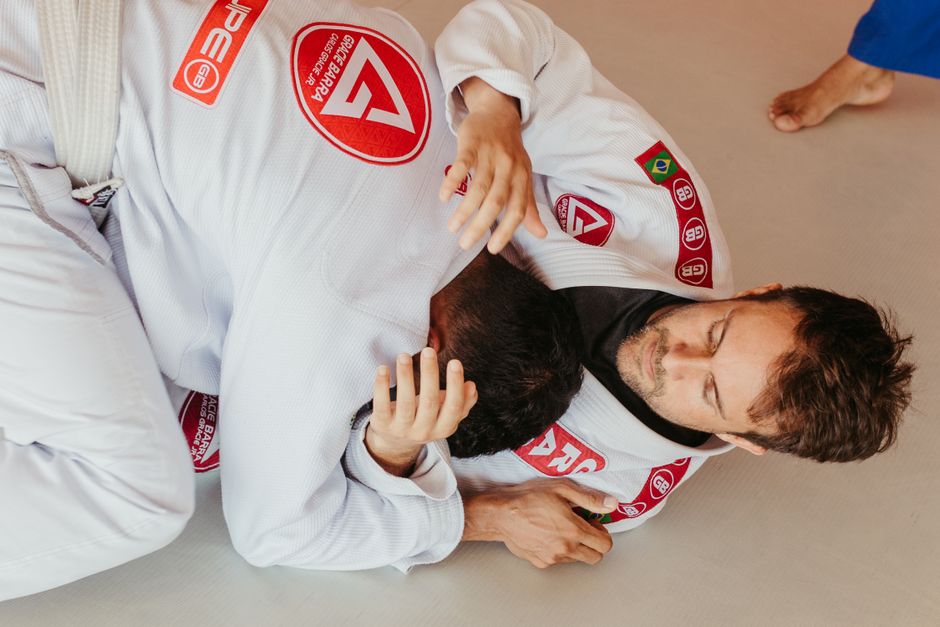
Brazilian Jiu-Jitsu moves are about control, leverage, and technique—not strength or speed. Whether you're learning your first escape or refining your submission game, understanding the foundational techniques is what separates folks who progress from those who get stuck.
This guide breaks down the essential Brazilian Jiu-Jitsu moves you need to know, why they work, and how to start training them the right way. If you're curious about what actually happens in a BJJ class or ready to level up your game, keep reading.
Related: How to Pick a Brazilian Jiu-Jitsu School: Reddit's Best Tips
Related: Brazilian Jiu-Jitsu by the Numbers: 2026 Industry Report & Statistics
Related: Best Brazilian Jiu-Jitsu Training Near Me 2026: Top 6 Ranked
Related: Jiu Jitsu Moves: Essential Techniques for Beginners
Related: Basic Jiu Jitsu Moves: Essential Techniques for Beginners
The Core Positions in Brazilian Jiu-Jitsu Moves
Before you learn any submission or sweep, you need to understand position. Position is everything in BJJ. You can't finish a move if you're not in the right spot.
Related: Brazilian Jiu-Jitsu Self Defense: Real-World Techniques
The main positions are guard (you're on your back), mount (you're on top), side control (you're beside them), and knee on belly. Each position gives you different options to attack from or escape to. Mastering where your body and your opponent's body should be is the foundation of every Brazilian Jiu-Jitsu move that matters.
Hand fighting and wrist control are where this starts. Before you even think about a takedown or submission, you're fighting for grips. A collar tie (gripping their neck and head) or an underhook (arm under theirs) changes the whole dynamic. These small details separate a beginner's flail from a trained grappler's precision.
Essential Takedowns and Control Techniques
Getting someone to the ground cleanly is where most matches start. If you can't take someone down safely, you're limited to pulling guard or hoping they shoot on you first.
Here are the takedowns and control grips that work:
- Hand Fighting: Circling their wrists and hands to create space and set up your attack.
- Collar Tie: One hand behind their neck, one hand controlling their arm. This controls their posture and opens them up for knees or trips.
- Underhook: Your arm under theirs, hugging their side. Gives you leverage and control for throws.
- Overhook (Whizzer): Your arm over theirs. Stops them from using their arm and helps you defend against certain throws.
- Russian Tie (2-on-1): Both your hands controlling one of their arms. Gives you dominant control and sets up trips or throws.
These aren't flashy, but they're the tools every serious grappler uses. At Gonzales JJ, we teach hand fighting first because it's the language of control. Once you speak it, everything else flows.
Start your BJJ journey off (Free Class)
Get Started Today →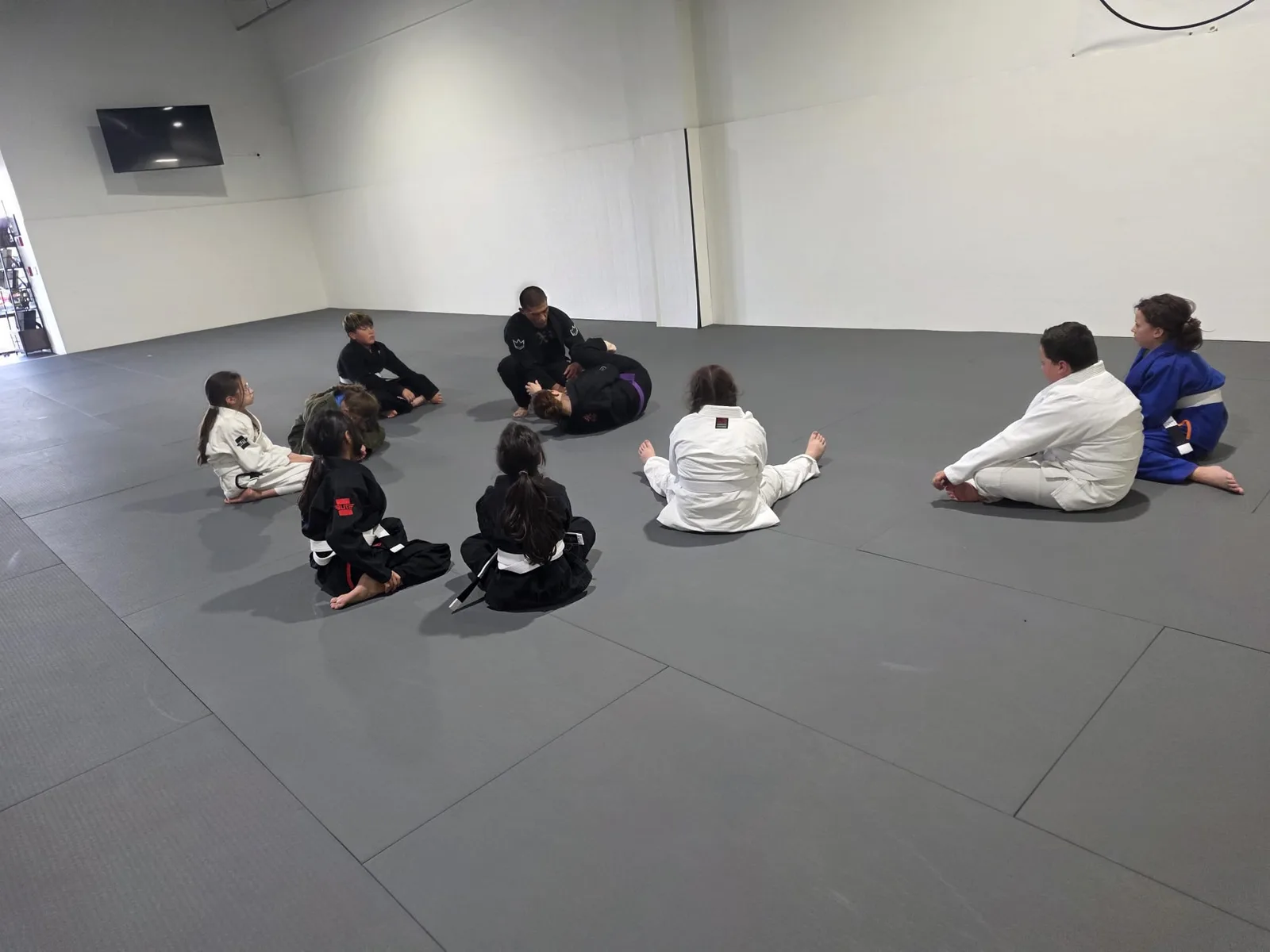
Guard Passes and Position Advancement
If someone pulls guard on you or you're trying to pass from a standing position, you need to know how to advance past their legs. This is where frustration often happens for beginners—their legs feel impossible to get around.
The leg drag guard pass is one of the most effective Brazilian Jiu-Jitsu moves for modern BJJ. Here's the basic idea: instead of trying to push their legs to the side, you drag one of their legs across your body while keeping your hips tight and low. This removes their angles and lets you slide into side control or mount.
The key is speed and pressure, not forcing it. You'll find that slowing down and using proper technique works faster than muscling through. That's the mindset shift that changes everything in grappling.
Sweeps: Reversing Position from the Bottom
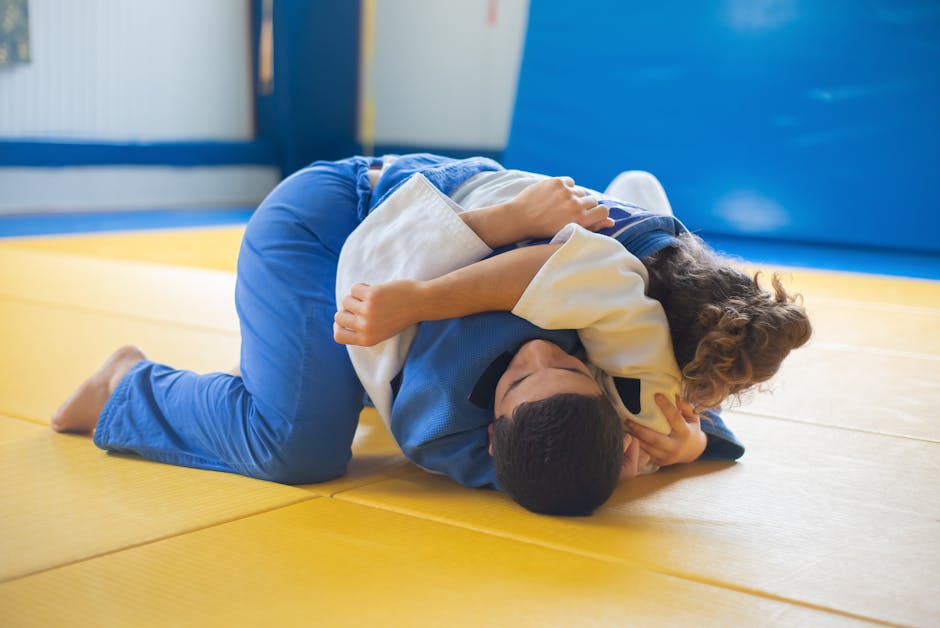
Being on your back isn't a bad spot if you know how to sweep. A sweep means you reverse the position and go from being underneath to being on top. This is where bottom position becomes dangerous for your opponent.
Common sweeps include:
- Bump Sweep: Simple frame on their chest, bump your hips up, and roll them over.
- Scissor Sweep: One leg cuts across their hip, the other goes under their arm, and you use both legs to flip them.
- Flower Sweep: Your foot goes on their hip and across their body. Uses their own arm against them to create rotation.
- Double Ankle Sweep: Both hands controlling both ankles. You drag them toward you and reverse the position.
- Omoplata Sweep: Your leg traps their arm, and you rotate to sweep them or transition to a submission.
Sweeps are powerful because they build momentum. You go from defending to attacking instantly. Learning these Brazilian Jiu-Jitsu moves gives you options instead of just escaping.
Submissions: The Finishing Techniques
Submissions are the techniques that end the match. They either choke someone or hyperextend a joint. Submissions are never about yanking hard—they're about position and leverage again.
Here are the most common submissions you'll see:
- Cross Choke: One hand grips the collar, crosses the other side of their neck, and your other hand helps finish. Tight and effective.
- Armpit Choke (Arm Triangle): One arm traps their arm and head. Suffocates blood flow without gripping anything.
- Heel Hook: Your leg hooks their heel, and you rotate to damage the knee. Legal only at certain belt levels and competition levels.
- Tarikoplata: Your leg goes across their shoulder and traps their arm. Forces them to tap or risk shoulder injury.
- Knee Flower Sweep: Your leg wraps around their hip and arm, creating pressure that leads to position reversal or submission.
Every submission has a defensive counter, and every counter has a defense. This is why Brazilian Jiu-Jitsu moves demand respect. One technique can lead to five different outcomes depending on how your training partner responds.
Why Technique Beats Strength Every Time
The biggest mistake beginners make is trying to muscle their way through Brazilian Jiu-Jitsu moves. Speed and force get you tired fast. Technique gets you wins.
Research shows that grappling training builds functional strength because you're moving your own body weight under load and resistance—not pushing machines. Your core, stabilizer muscles, and joints develop real-world stability.
Slowing down during training is actually the fastest way to improve. When you go light and controlled, your brain learns the positions, angles, and timing. When you crank on speed and power, you're just grinding. The calm, technical approach wins every time.
This is core to how Gonzales JJ teaches. Our coaches emphasize technique first because that's what builds winners both on and off the mat. You learn to solve problems through intelligence, not aggression.
Building Your Brazilian Jiu-Jitsu Move Foundation
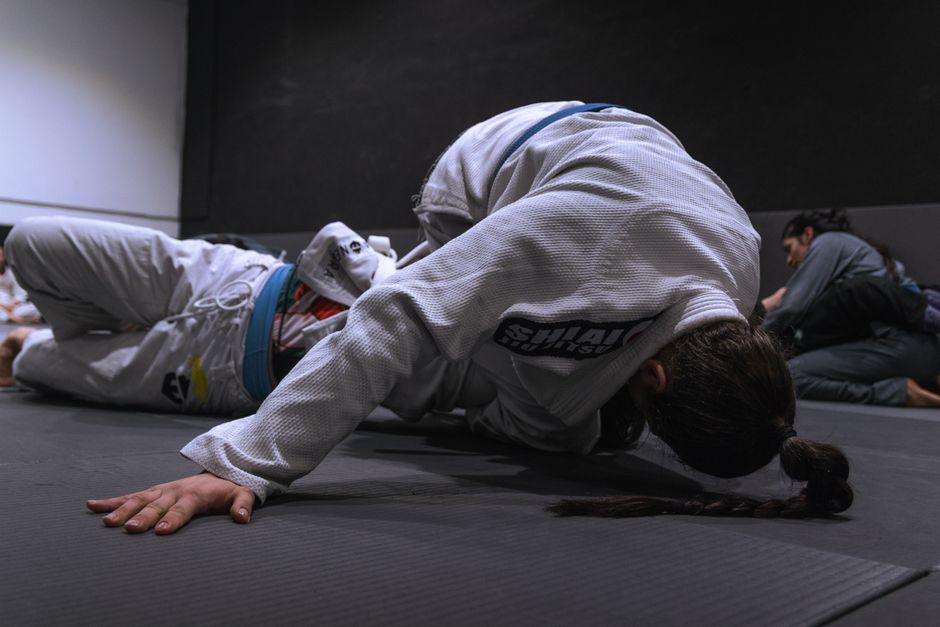
You don't need to know 100 moves. You need to know 10 and drill them until they're automatic. Start with hand fighting, a basic takedown, guard pass, one sweep, and one submission. Practice those until you can do them tired, panicked, and against resistance.
Progression matters more than variety. A white belt who drills the same three techniques for six months will beat a white belt who learns a new move every week. Repetition builds muscle memory, and muscle memory is what keeps you safe and keeps you winning.
Training partners who challenge you safely help you test these moves at partial and full resistance. That's why finding the right gym is crucial. You need people who will push you but also people who will help you learn without ego in the way.
If you're looking to start or deepen your Brazilian Jiu-Jitsu practice with coaches who understand the technical approach and community-first mentality, check out Gonzales JJ. We build grapplers who understand that technique, discipline, and respect create real progress.
Frequently Asked Questions
What is the most important Brazilian Jiu-Jitsu move to learn first?
Hand fighting and basic guard passing. These two give you the most immediate control and teach you how leverage works. Once you understand grip fighting and passing basics, every other move becomes easier to learn.
How long does it take to get good at Brazilian Jiu-Jitsu moves?
You'll see improvement in 1-2 months if you train 3+ times per week. Real competency takes 6-12 months. Black belt level is typically 10+ years. Progress is individual, but consistency always beats talent.
Do I need to be strong to execute Brazilian Jiu-Jitsu moves?
No. Technique and leverage do the work. You might be stronger than your opponent, but proper positioning and angle always win. A 130-pound person using correct technique beats a 200-pound person using force.
Are Brazilian Jiu-Jitsu moves safe to practice?
When trained correctly with a good partner and qualified coach, yes. Safety depends on tapping early (submitting before pain escalates), using controlled speed, and training with people who respect the rules. Always find a reputable gym with instructors who prioritize injury prevention.
Start your BJJ journey off (Free Class)
Get Started Today →