

Brazilian Jiu-Jitsu self-defense is simple: use proper technique to control an attacker, regardless of size or strength. That's it. No flashy moves. No crazy athletic ability required. Just smart positioning and leverage that lets a smaller person neutralize a bigger threat.
If you're thinking about training for real-world protection, you're in the right place. Let's break down why BJJ actually works for self-defense and what you can realistically expect.
Why Brazilian Jiu-Jitsu Works for Self-Defense
The biggest reason BJJ dominates self-defense conversations is this: it emphasizes technique over raw strength. In a confrontation, that's a massive advantage.
Related: What Is Brazilian Jiu-Jitsu Good For? 7 Real Benefits
Related: How to Pick a Brazilian Jiu-Jitsu School: Reddit's Best Tips
Related: Master the Brazilian Jiu-Jitsu Triangle Choke in Rio Rancho, NM
Related: Best Brazilian Jiu-Jitsu for Beginners in Rio Rancho, NM
Related: Best Brazilian Jiu-Jitsu Gyms in Albuquerque 2026: Top 5 Ranked
Related: Best Black Brazilian Jiu-Jitsu Gi 2026: Top 6 Ranked
Related: Best Women's Brazilian Jiu-Jitsu Gi 2026: Top 5 Ranked
Related: Best Brazilian Jiu-Jitsu Training Near Me 2026: Top 6 Ranked
Related: Best Private Brazilian Jiu-Jitsu Lessons 2026: Top 5 Ranked
Related: Best Brazilian Jiu-Jitsu in Albuquerque NM 2026: Top 5 Gyms Ranked
Related: Brazilian Jiu-Jitsu Ranking System: Belt Guide
Related: Brazilian Jiu-Jitsu Guards: Complete Beginner's Guide
Related: Brazilian Jiu-Jitsu Weight Classes: Complete Guide
Most martial arts teach you to strike harder or faster. BJJ teaches you to control your opponent's body. Once you control someone—whether through positioning, holds, or submissions—they can't hurt you. Period.
Here's what makes it different: in a real self-defense situation, you don't know if the person attacking you is trained. You don't know if they're stronger. But Brazilian Jiu-Jitsu fundamentals work regardless. A proper armbar is an armbar whether you weigh 130 pounds or 230 pounds.
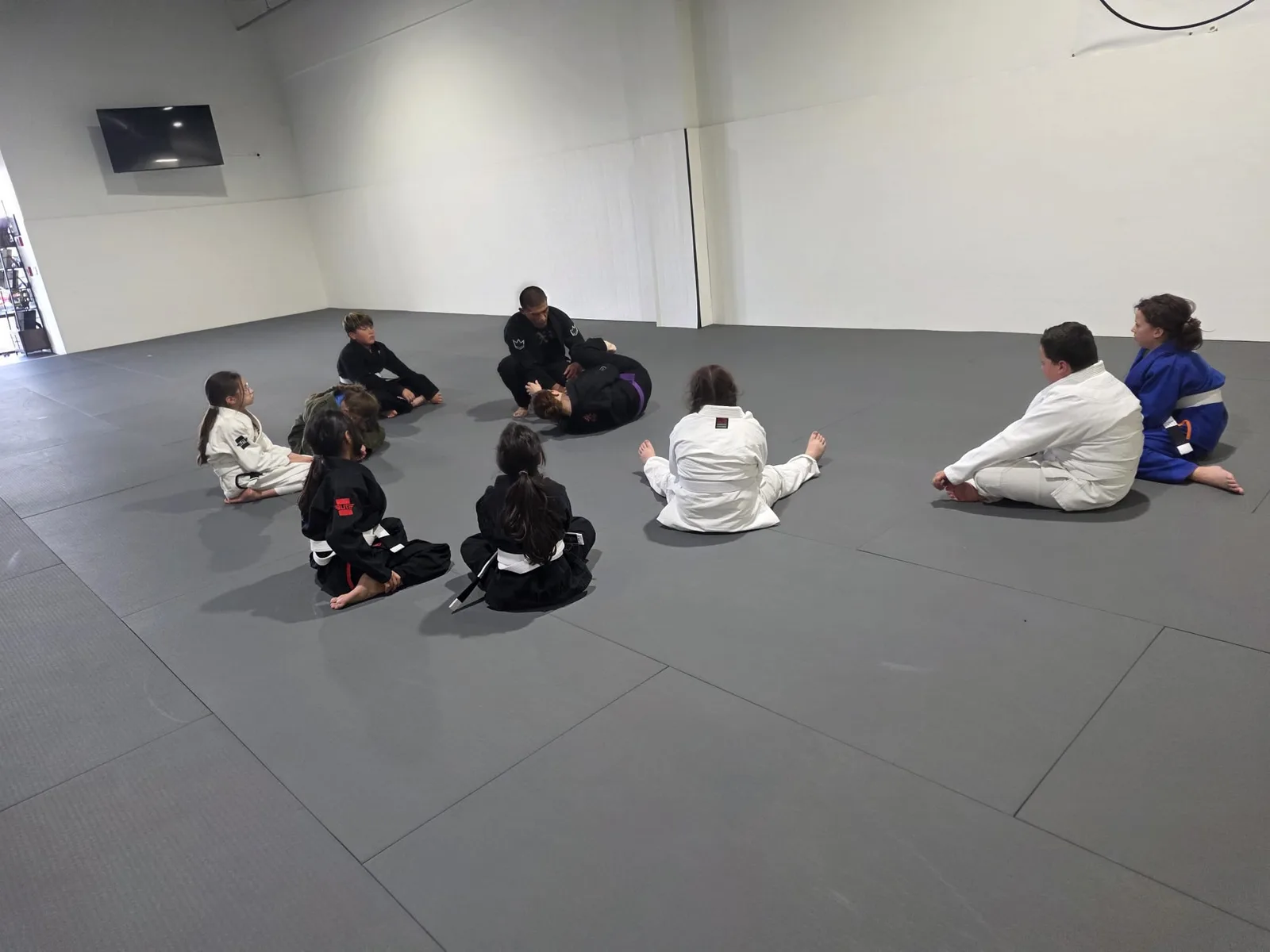
The grappling foundation is also critical. Most untrained people have zero experience with being on the ground. In self-defense scenarios, things often go to the ground. BJJ trains you for exactly that—and trains you to thrive there.
Self-Defense Techniques Start Early
You don't need a black belt to learn self-defense in Brazilian Jiu-Jitsu. Real, practical techniques are taught from your first week as a white belt.
Related: Brazilian Jiu-Jitsu Moves: Essential Techniques Every Beginner Should Learn
Related: Best Jiu-Jitsu Techniques Step by Step PDF for Beginners
We're talking basic escapes, positional control, and fundamental submissions. These aren't fancy moves. They're straightforward applications of leverage that work because of physics, not because you're some athletic superstar.
By the time you reach blue belt, you'll understand:
- How to escape from common attack positions
- How to control someone who's larger than you
- How to neutralize threats without striking
- How to stay calm under pressure
That last point matters more than people realize. Self-defense isn't about winning a fight. It's about staying composed and making smart decisions. BJJ training literally rewires your brain to handle stressful grappling situations. Real-world threats feel less overwhelming when you've trained for pressure.
Start your BJJ journey off (Free Class)
Get Started Today →Technique Over Strength: The Real Game-Changer
Let's be honest: if you're smaller or weaker than someone attacking you, striking arts might not help much. But in Brazilian Jiu-Jitsu, size becomes almost irrelevant once you understand positioning.
A smaller person with solid technique will always beat a bigger person with no training. This isn't opinion—it's repeatedly proven in training and competition.
The science backs this up too. Research on grappling sports shows that technical skill significantly reduces injury risk and improves control outcomes, which translates directly to self-defense effectiveness.
What does this mean for you? You don't need to be the strongest person in the room. You just need to be smarter about leverage, positioning, and timing. That's taught systematically in BJJ.
Building Real Confidence Through Training

Here's something people don't talk about enough: the biggest self-defense advantage is confidence.
When you know you can control someone on the ground, when you've drilled escapes hundreds of times, when you've sparred with people trying to submit you—you don't panic in confrontations. Your body knows what to do.
Most people who get hurt in self-defense situations panic. They freeze. They make bad decisions. Brazilian Jiu-Jitsu removes that panic factor. You've been uncomfortable before. You've been in tough positions before. You know your way out.
This mental edge is real, and it often prevents situations from getting dangerous in the first place. Attackers target people who look unsure. They avoid people who carry themselves with quiet confidence. That confidence comes from actual training, not from thinking about training.
What to Expect in Your First Classes
If you're starting Brazilian Jiu-Jitsu specifically for self-defense, know this: your first few weeks will focus on fundamentals.
You'll learn basic positions (mount, guard, side control), how to escape them, and how to move safely. Your instructor will emphasize control and technique over intensity.
Good gyms—like Gonzalesjj—structure classes so everyone, from complete beginners to advanced competitors, learns exactly what they need. Self-defense focused? You'll get self-defense techniques. Interested in competition? You'll get competition prep. Training with your family? There are family-friendly programs.
The key is finding instruction that matches your goals and pace. Some people want to compete. Others just want practical self-defense skills. Both paths are valid, and both start with the same foundational techniques.
Skin Health and Training Consistency
Real talk: grappling means skin-to-skin contact. You need to manage that responsibly to stay healthy and keep training consistently.
Maintaining a healthy skin barrier prevents most common issues (like ringworm or staph). This means washing immediately after class, using clean gear, and keeping your mat space clean.
It's not complicated. It's just part of being a responsible training partner. When you stay healthy, you stay consistent. When you're consistent, you get better faster at self-defense fundamentals.
Getting Started With Self-Defense Training
Ready to learn Brazilian Jiu-Jitsu for self-defense? Here's what to do:
- Find a reputable gym with instructors who understand self-defense applications
- Start with fundamentals classes, not advanced sessions
- Train consistently (at least 2-3 times per week) to build muscle memory
- Ask your instructor specific self-defense questions—good instructors love this
- Don't rush. Self-defense skills develop over months and years, not weeks
Check out class schedules and programs designed for self-defense students. Many gyms offer beginner fundamentals classes specifically structured for people prioritizing practical skills over competition.
Why Choose a Community-Focused Gym
Self-defense training works best in environments where instructors know you personally and tailor instruction to your needs.
A good gym (like Gonzalesjj in Rio Rancho) doesn't just teach techniques—they build confidence, discipline, and real-world awareness. Everyone grows together. You'll train with beginners, intermediate students, and advanced athletes all in the same community.
That variety matters for self-defense. You learn from people at different levels. You practice against different sizes and strengths. You develop adaptability, which is the real secret to practical self-defense.
Plus, being part of a supportive community keeps you motivated. Self-defense training is a long game. You're building skills that might never be needed, but you'll feel the benefits immediately: better posture, mental clarity, physical strength, and genuine confidence.
People Also Ask
Is Brazilian Jiu-Jitsu Good for Self-Defense?
Yes. BJJ is widely recognized as one of the most effective martial arts for practical self-defense because it relies on technique and control rather than strength. It works for people of all sizes and ages, and techniques are applicable from your first weeks of training.
Can You Use Brazilian Jiu-Jitsu in a Real Fight?
Absolutely. BJJ techniques are designed for real-world application. The grappling skills, positioning, and escape techniques you learn translate directly to self-defense scenarios. However, self-defense is different from sport competition—techniques emphasize neutralizing threats, not winning matches.
How Long Does It Take to Get Good at BJJ Self-Defense?
Basic self-defense fundamentals take 6-12 months of consistent training (2-3 classes per week). You'll understand core escapes and control positions by blue belt level. That said, self-defense is an ongoing practice—the longer you train, the sharper your skills become.
Do You Need to Be Strong for Brazilian Jiu-Jitsu?
No. Strength helps, but technique and leverage matter far more. BJJ is specifically designed so smaller, weaker people can control larger attackers through proper positioning. If strength were required, self-defense would only work for athletic people—and that defeats the whole purpose.
Start your BJJ journey off (Free Class)
Get Started Today →