
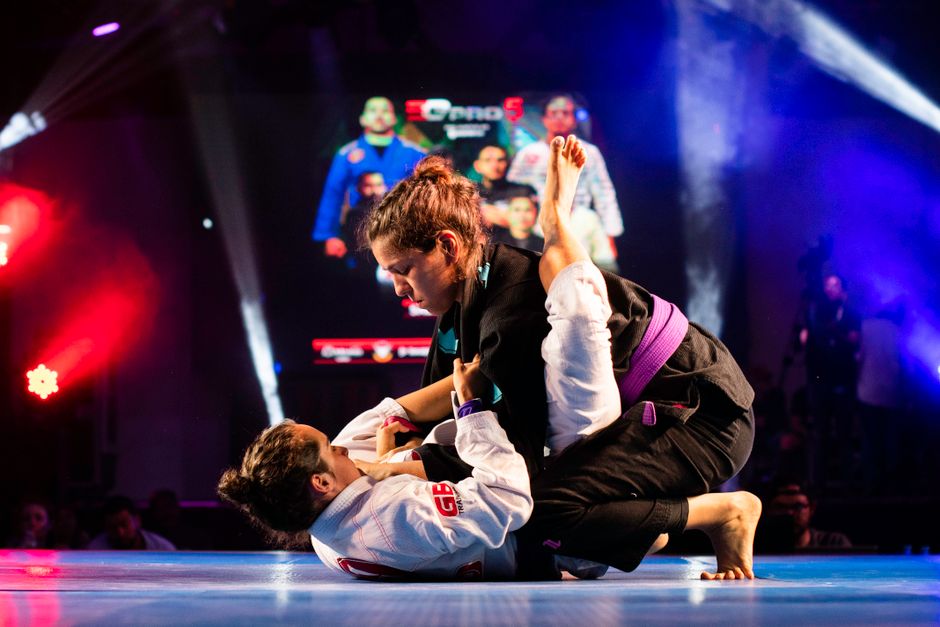
Brazilian Jiu Jitsu typically costs between $100 and $250 per month, depending on where you live, how often you train, and which gym you choose. The national average for unlimited classes hovers around $140 to $180 monthly, which is a solid baseline to keep in mind as you start your search.
But here's the thing: price isn't just a random number. Gym owners have real expenses. They're paying for mat space, insurance, instructor salaries, equipment maintenance, and marketing. Understanding what drives those costs helps you figure out if a gym is a good investment or overpriced.
Let's break down everything you need to know about jiu jitsu pricing so you can make the right choice for your budget and goals.
Related: How Much Are Jiu Jitsu Classes? 2026 Pricing Guide
Related: How Much Are Brazilian Jiu-Jitsu Classes? 2026 Pricing Guide
Related: Brazilian Jiu Jitsu Ranks Explained: Your Complete 2026 Guide
Related: Jiu Jitsu Gis: Complete Buyer's Guide for 2026
Related: Brazilian Jiu Jitsu No Gi: Complete Training Guide
Related: Jiu Jitsu Half Guard: Complete Beginner Guide
What's the Average Cost of Jiu Jitsu?
Most gyms fall into a few pricing tiers. According to industry data, 43% of jiu jitsu gyms charge between $100 and $149 per month. That's the sweet spot where you'll find quality instruction without breaking the bank.
Another 31% of gyms charge higher rates, typically $150 to $250 monthly or beyond. These are usually in competitive markets (like New York City or Los Angeles) or offer premium amenities like extra classes, private lessons, or hybrid programs.
The remaining gyms stay below $100, though that's less common. When you see prices that low, ask yourself: are they new and running a promotion? Do they offer fewer classes? Are they in a lower-cost area? Context matters.
How Location Changes Your Jiu Jitsu Cost
Where you train makes a huge difference. New York City gyms charge $200 to $350 per month, sometimes more. That's 40 to 90% higher than the national average.
Meanwhile, smaller cities and suburbs run 20 to 40% cheaper. If you're in a place like Rio Rancho or the surrounding Albuquerque area, you're looking at rates closer to the national average or even below it. Real estate costs, competition, and local demand all factor in.
The takeaway? If you're in a major urban center, expect to pay premium prices. If you're in a mid-sized city or suburb, you can usually find solid options at reasonable rates.
What Affects Your Monthly Jiu Jitsu Price
Beyond location, several things change what you'll pay:
- Class frequency: Unlimited classes cost more than 2-3 classes per week. Some gyms offer tiered pricing based on how often you want to train.
- Instructor experience: World-class instructors or former competitors charge more. You're paying for expertise and proven results.
- Facility quality: Newer gyms with top-tier mats, air conditioning, and showers cost more to run and pass that along to members.
- Additional programs: If a gym offers kickboxing, wrestling, or kids' classes alongside BJJ, membership might include those too, or cost extra.
- Belt rank discounts: Some gyms offer lower rates for kids or lower belt ranks as they grow in the sport.
- Membership length: Committing to 6 or 12 months often gets you a discount compared to month-to-month pricing.
A gym combining BJJ with kickboxing, for example, might charge $189 per month to give you access to both. That's actually good value if you want variety in your training.
Hidden Costs Beyond Monthly Tuition
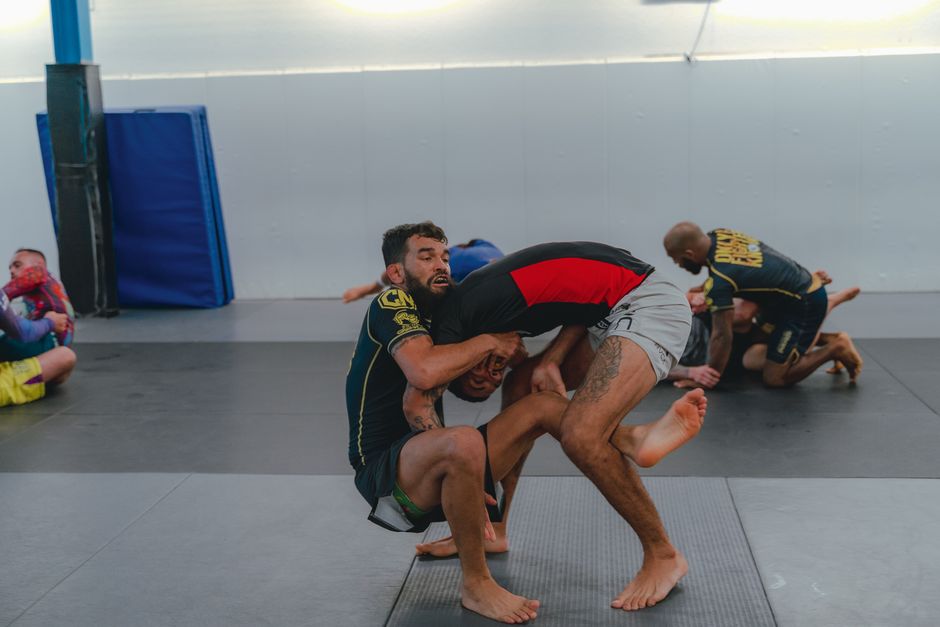
The monthly fee isn't the whole story. You'll also need to budget for:
- Initial uniform (gi): $60 to $200 depending on quality. You can start with a basic gi and upgrade later.
- Belt and stripes: Usually included in tuition, but some gyms charge a testing or promotion fee of $20 to $50.
- Rash guards: $30 to $80 if you want to train no-gi or add extra options.
- Tape and supplements: Not required, but many people buy athletic tape, knee tape, and recovery gear. Budget $20 to $50 monthly if you go this route.
- Tournament fees: If you compete, registration runs $50 to $150 per tournament depending on belt level and division.
New students often spend $200 to $400 in their first month just getting set up. After that, you're mainly paying the monthly fee with occasional gi replacements or tournament costs if you compete.
Getting Discounts and Better Deals
If budget is tight, there are legit ways to save:
- New gym promotions: When a gym first opens, they often run limited-time discounts as low as $149 per month to fill spots. These are real and worth taking advantage of.
- Long-term commitments: Pay for 3, 6, or 12 months upfront and ask for a discount. Many gyms will offer 10 to 15% off.
- Family packages: Training with a spouse or kid? Some gyms bundle family members at a lower combined rate.
- Off-peak hours: Early morning or late evening classes sometimes cost less than peak evening times.
- Loyalty or referral programs: Bring a friend and both get a discount. It's a win-win.
When you're checking out Gonzales JJ or any gym, ask directly about these options. Transparent gyms will work with you, especially if you're serious about joining.
Start your BJJ journey off (Free Class)
Get Started Today →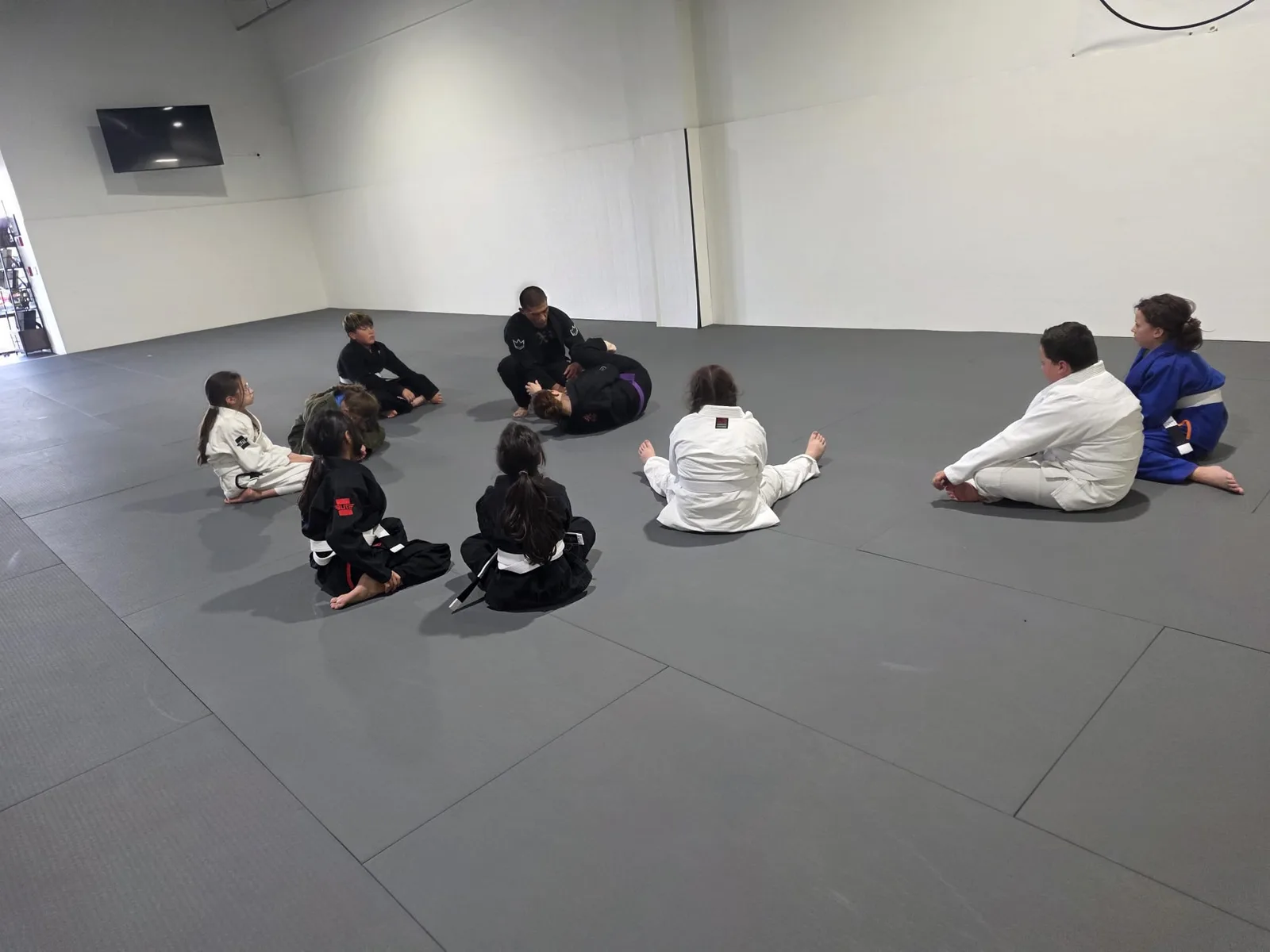
Is Jiu Jitsu Worth the Cost?
Okay, real talk: jiu jitsu isn't cheap. But when you compare it to other training or hobbies, it's reasonable.
Most gyms charge $140 to $180 monthly for unlimited classes. That breaks down to about $5 to $7 per class if you show up twice a week, or $3 to $4 per class if you go five times a week. A single personal training session at a regular gym costs $50 to $150. You're getting expert instruction, a community, and measurable progress in BJJ for way less.
Research from the International Brazilian Jiu-Jitsu Federation and studies on martial arts benefits shows that consistent training builds not just physical strength but mental resilience, focus, and confidence. For families, it's a tool against bullying and a way to teach discipline in a safe, supportive environment.
The real value is the transformation. You're investing in yourself, your skills, and your confidence both on and off the mat.
How to Choose a Gym Within Your Budget
Here's what to do when you're comparing gyms and prices:
- List gyms in your area and their monthly rates. Write them down.
- Factor in location. Can you easily get there? Travel costs and time matter.
- Check class schedules. Do they offer times that fit your life? A cheap gym you never attend is worthless.
- Try a free trial or intro class. Most gyms offer one. You need to feel the vibe, meet the instructors, and see if the community is welcoming.
- Ask about instructor credentials. Where did they train? What's their competition record? You want real expertise.
- Read reviews. Google, Yelp, and martial arts forums give you honest feedback from current and former members.
- Negotiate if you're serious. Don't be shy about discussing payment plans, family rates, or annual discounts.
A gym like Gonzales JJ built by world-champion competitors will give you proper instruction and a family-friendly community. That expertise and environment is worth the investment because you're learning from people who know what they're doing and actually care about your progress.
Budget-Friendly Training Options
If the full unlimited membership is too much right now, explore these alternatives:
- Limited classes tier: Many gyms offer 2 to 4 classes per week for $60 to $100 monthly. Perfect for beginners who are still figuring out their schedule.
- Drop-in rates: Pay per class ($15 to $25 each) if you want flexibility. It adds up fast, but it works for occasional training.
- Free community classes: Some parks departments or gyms run intro sessions. You won't get serious instruction, but you can test it out.
- Online coaching: Not a substitute for in-person training, but supplemental online classes or form checks run $20 to $50 monthly.
Start small if you need to. Most people find that once they taste jiu jitsu, they upgrade to unlimited classes pretty quickly because they fall in love with it.
Is There an Age Limit?
Nope. People start jiu jitsu in their 20s, 40s, 60s, and beyond. Cost doesn't change based on age, though some gyms offer lower rates for kids' classes since those run shorter sessions with different curriculum.
Whether you're looking for self-defense, fitness, competition, or just a cool community, there's no "too old" or "too young" in jiu jitsu. The investment is the same, and the payoff is personal growth.
What You're Really Paying For
Here's the real breakdown: you're paying for expert instruction, a supportive community, safe training equipment, and a proven system that builds winners on and off the mat.
Those monthly fees cover mat maintenance, instructor salaries, insurance, and running a space where people feel safe making mistakes and learning. Good gyms invest in their students' success, and that costs money.
When you train at a quality gym with experienced instructors and real community focus, you're paying for results. You're paying to transform.
What's the most common jiu jitsu class frequency?
Most people train 2 to 4 times per week. That's enough to make steady progress without burning out. If you're serious about competing or accelerating your growth, 4 to 6 classes weekly is common among dedicated students. Beginners often start with 2 to 3 classes per week while they learn fundamentals.
Can I negotiate jiu jitsu gym prices?
Absolutely. Especially for long-term commitments. If you tell a gym owner you want to sign a 12-month contract, they'll often discount your rate by 10 to 20%. Family packages are negotiable too. The worst they can say is no, and most gym owners respect the conversation.
Are expensive jiu jitsu gyms worth it?
Not always. A $200-per-month gym in Manhattan might be worth it because of location and competition level. A $200-per-month gym in a smaller city might be overpriced. Look at instructor credentials, facility quality, class sizes, and community reputation. A cheaper gym with world-class instruction beats an expensive gym with mediocre coaching every time.
Do I need to buy expensive gear to start jiu jitsu?
Nope. A basic gi ($60 to $100) is enough to begin. You can upgrade to premium brands later as you progress. Rash guards and other gear are optional at first. Focus your money on tuition and getting classes in before you worry about fancy equipment.
Start your BJJ journey off (Free Class)
Get Started Today →