
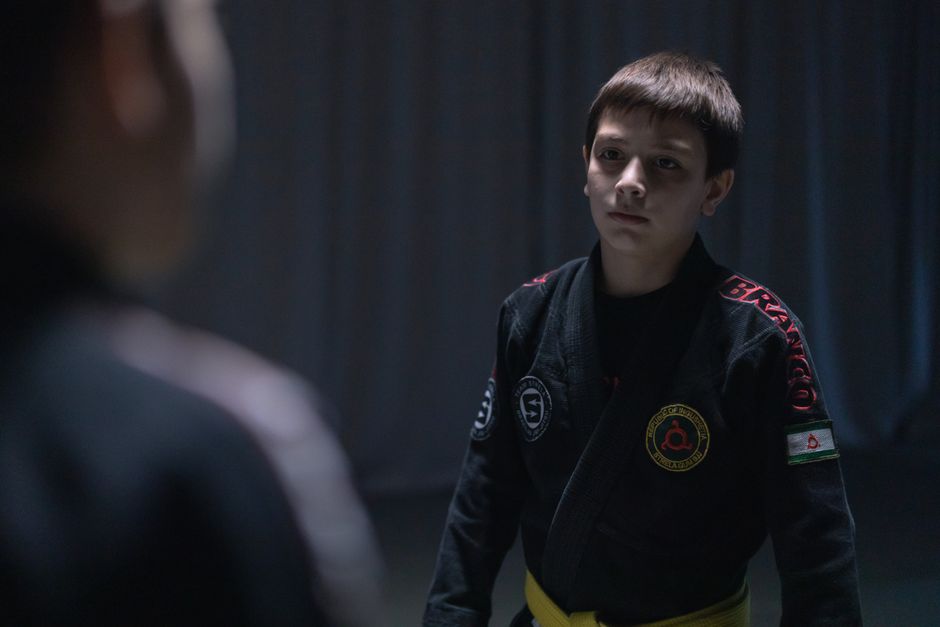
If you're trying to figure out whether jiu jitsu or taekwondo is the better choice for your kid, you're asking the right question. Both are solid martial arts that build confidence and teach discipline, but they're pretty different in how they work and what your child will actually learn.
Here's the short answer: jiu jitsu teaches practical grappling and positional control (think wrestling-style moves), while taekwondo focuses on kicks, punches, and structured forms. Both are safe for kids starting around age 4 or 5. Your choice really depends on whether you want your child learning dynamic footwork and striking technique, or ground-based self-defense skills that work in real situations.
How Jiu Jitsu and Taekwondo Work Differently
The biggest difference is what happens during class and sparring.
Related: Jiu Jitsu Single Leg Takedown: Step-by-Step Guide
Related: Best Jiu Jitsu Gi: What to Look For When Choosing
In jiu jitsu, your child learns how to control an opponent from different positions—standing, on their back, on top. They practice escapes, submissions (techniques that make someone tap out), and transitions. It's sometimes called "human chess" because it's all about strategy and angles, not just speed or strength. Kids wear a gi (the uniform) and train with a partner, drilling the same move over and over until it's muscle memory.
Related: Jiu Jitsu Submissions List: 37+ Techniques Explained
In taekwondo, your child learns kicks and hand strikes, plus forms called "poomsae"—choreographed sequences that look like a dance mixed with combat. Classes tend to be more structured, with everyone doing the same drills at the same time. There's less partner work and more individual technique refinement.
Safety: Which Martial Art is Safer for Kids?
Both are safe when taught by qualified instructors, but they have different injury profiles.
Jiu jitsu has one of the lowest injury rates among martial arts for children. Most injuries happen in competition, not regular training, and they're usually minor (small sprains or muscle soreness). The beauty of jiu jitsu is that kids can tap out—literally signal that they want to stop—so they have control over their own safety. You're not getting hit in the face.
Taekwondo is also relatively safe for kids, especially when schools focus on control and lighter contact during practice. The main risk is head and leg injuries from kicks, though most instructors have kids wear protective gear and use light contact during drills.
The real safety factor? The instructor and the gym culture. A place that prioritizes control, proper technique, and respect for your child's limits is safe no matter the discipline. If you're looking for a Brazilian jiu jitsu gym that puts family and safety first, that's what you should be looking for.
Self-Defense: Which Teaches Better Real-World Skills?
Here's where jiu jitsu and taekwondo differ in a practical way.
Related: Taekwondo vs Jiu Jitsu for Kids: Which Is Better?
Jiu jitsu teaches your child how to escape and control someone if they're grabbed or tackled. These are the moves that actually happen in real bullying situations or unwanted physical contact. Your kid learns to stay calm, use leverage instead of strength, and get to a safe position. It's about neutralizing a threat without striking.
Related: How to Escape Mount Position in Jiu Jitsu
Taekwondo teaches distance management and striking, which is useful for keeping someone at arm's length. But most real-world confrontations (especially for kids) involve close-range grabbing or pushing, not full contact kickboxing exchanges.
If you want your child to be able to defend themselves in the kinds of situations they might actually face—getting grabbed by a bully, being pushed, or having someone on top of them—jiu jitsu covers those scenarios more directly. That's a big reason families choose it for self-defense and safety.
Fitness and Physical Development

Both martial arts are fantastic for fitness, just in different ways.
Taekwondo builds explosive leg strength, cardiovascular fitness, and flexibility. Your child will be kicking at chest height and above, which requires serious flexibility and core strength. They'll also develop balance and coordination.
Related: Jiu Jitsu Cardio Workout: Build Your BJJ Conditioning
Start your BJJ journey off (Free Class)
Get Started Today →Jiu jitsu builds functional strength, cardiovascular endurance, and body awareness. There's less high-impact jumping but plenty of grappling, escaping, and switching positions—it's like playing chess while doing pushups. Your child develops grip strength, core stability, and learns how their body moves in three-dimensional space.
If flexibility and explosive movement are your priorities, taekwondo edges ahead. If you want your child to build practical grappling strength and problem-solving while moving, jiu jitsu is the win.
Learning Environment and Class Structure
The vibe of each martial art is noticeably different.
Taekwondo classes are typically more structured and regimented. Everyone lines up, everyone does the same drills, and there's a clear belt progression system with regular belt tests. It feels organized and formal, which some kids love. There's less partner interaction and more individual focus.
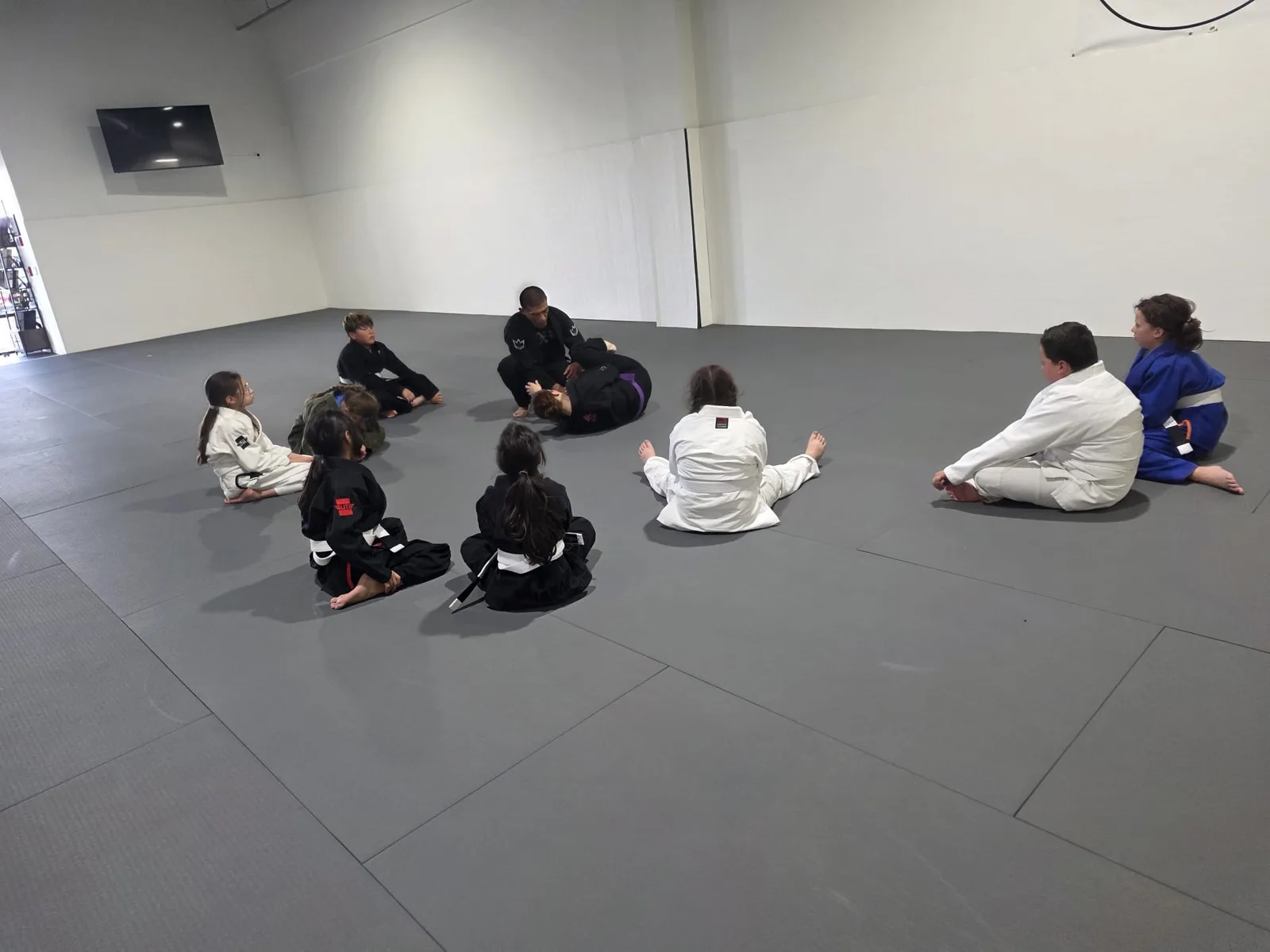
Jiu jitsu is more partner-focused. Your child trains with the same group of kids regularly, drilling techniques together and rolling (sparring at lower intensity). There's still structure, but it's less rigid. Kids develop friendships and learn to work with different body types and styles. A good jiu jitsu academy builds a community where everyone grows and competes together.
If your kid thrives with clear rules and formal structure, taekwondo might click. If your kid learns better through partner interaction and community, jiu jitsu is a better fit.
Confidence and Mental Development
Both martial arts build confidence, but through different paths.
In taekwondo, kids gain confidence through mastering visible skills—nailing a perfect kick, breaking a board, earning a new belt. The progress is easy to see and celebrate.
In jiu jitsu, kids gain confidence by solving problems. They learn a move, fail at it, adjust, and eventually nail it. They tap out early in training but stay on the mat, which teaches them resilience and grit. They see themselves improving against harder opponents over months, not just days. That builds real self-belief.
Related: No-Gi vs Gi Jiu-Jitsu: Key Differences & Which to Train
Both are powerful. Taekwondo is faster wins; jiu jitsu is deeper transformation.
Which Should You Choose for Your Kid?

Ask yourself these questions:
- Does your child want to strike and kick, or grapple and problem-solve?
- Do they prefer structured, individual-focused training, or partner-based learning?
- Is your priority flexibility and explosive movement, or practical self-defense and control?
- Does your child respond better to quick, visible progress, or gradual deep skill-building?
If your child is shy, enjoys one-on-one challenge, and you want legitimate self-defense skills, jiu jitsu is the call. If your child is extroverted, loves kicks, enjoys forms and structure, and wants that fast belt progression, taekwondo fits better.
Honestly? The best martial art is the one your kid will actually show up for. Visit a few classes. Watch how the instructors teach. See which environment feels like home for your child. That matters way more than which discipline is "better" on paper.
Getting Started: Next Steps
Before you commit, most gyms offer a trial class or intro session. Use that to see if your child clicks with the instructor and the other kids in class. Pay attention to whether the gym prioritizes safety, proper technique, and building your child's confidence—not just winning trophies.
Whatever you choose, you're giving your kid a gift: discipline, confidence, a community, and skills they'll carry for life. If you're in the Rio Rancho or Albuquerque area and want to explore jiu jitsu specifically, Gonzales JJ welcomes families and beginners. But even if you choose taekwondo, you're making a solid choice.
How young can kids start jiu jitsu or taekwondo?
Both martial arts are appropriate for kids as young as 4 or 5 years old. Younger classes focus on basic movement, listening to instructions, and having fun rather than complex techniques. Some gyms offer classes for kids as young as 3, but around 4 is when most children have the attention span and coordination to really benefit.
Do kids actually use jiu jitsu or taekwondo for self-defense?
Yes, both teach applicable skills. Jiu jitsu's grappling and positional control are especially practical for real-world situations where someone grabs you or puts you on the ground. Taekwondo's distance management and striking teach kids how to create space and keep someone away. The key is finding an instructor who teaches practical self-defense, not just sport technique.
Which martial art has more competitions for kids?
Both have active competition scenes. Taekwondo has more frequent local competitions and a standardized belt system with regular testing events. Jiu jitsu has tournament circuits too, but competitions might be less frequent depending on your location. If your child wants to compete often, taekwondo offers more regular opportunities.
Can kids do both jiu jitsu and taekwondo at the same time?
Absolutely. Some kids train in both disciplines and enjoy the variety. It takes time commitment and cost to do both seriously, so most families choose one to start. You can always add the other later if your child wants to explore.
Start your BJJ journey off (Free Class)
Get Started Today →