
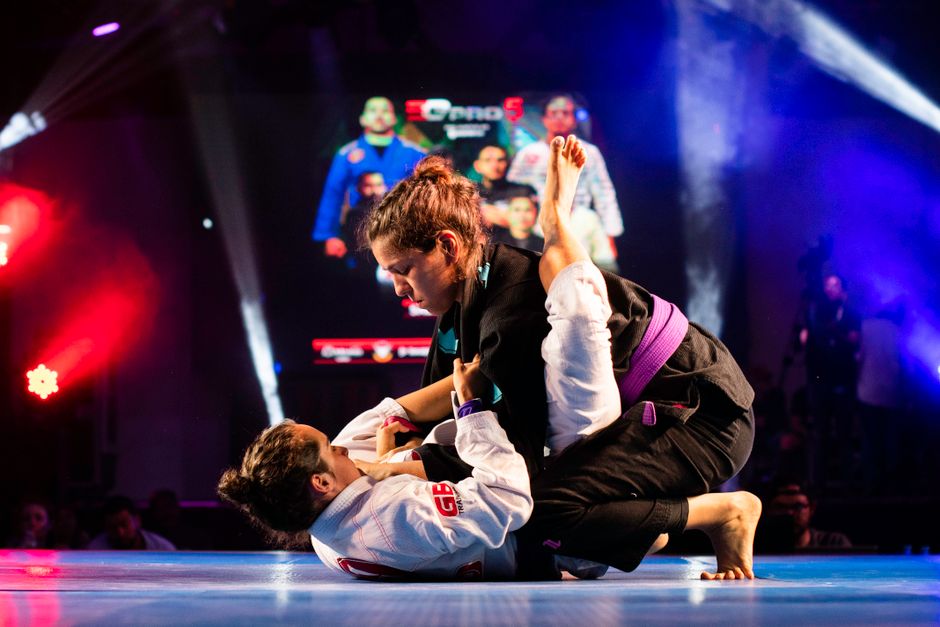
Brazilian Jiu Jitsu basic moves are your foundation for everything that comes next. If you're just starting out, you need to nail these core techniques before you even think about advanced stuff. The good news? You don't need to memorize hundreds of techniques. Master maybe 10 to 20 fundamental moves, and you'll be shocked at how far you can go on the mat.
Here's what makes BJJ different from other martial arts: it's all about positioning, leverage, and technique over raw strength. That's why beginners can tap out bigger, stronger opponents once they understand these basic moves. Let's break down exactly what you need to learn first.
The Foundation: Footwork and Body Mechanics
Before you even think about chokes or submissions, your body needs to learn how to move on the mat. These foundational movements are non-negotiable.
Shrimping (Hip Escape)
Shrimping is probably the most important movement in BJJ. It's how you create space when someone is pinning you down. Here's what it looks like: you're on your back, knees bent, feet flat. Push hard through your feet, drive your hips up and to the side, then scoot your butt away from your opponent. Repeat that motion over and over. It sounds simple, but this single move saves your life on the mat.
New students do shrimping drills for a reason. It builds muscle memory and teaches your hips to move explosively. Do 20-30 reps, and you'll feel it the next day.
Bridging
Bridging is the opposite of shrimping. You're on your back, but now you're pushing your hips up toward the ceiling. This move helps you escape from under side control and builds serious glute and core strength. Press your feet into the mat, squeeze your glutes, and lift your hips high. Hold it for a second, then lower down. Again, this seems basic, but it's essential for survival on the mat.
Basic Rolls
Learning to roll forward and backward safely protects your neck and spine. A forward roll goes diagonally across your back and shoulders, not straight over your head. Practice these slowly until they feel natural. Your body will thank you when you inevitably get thrown or need to transition positions quickly.
Brazilian Jiu Jitsu Basic Moves: Guard Position
The guard is where a lot of beginners find their power. Even if someone is on top of you, the guard gives you real options to escape, submit, or sweep them.
Related: Brazilian Jiu Jitsu No Gi: Complete Training Guide
Related: Brazilian Jiu-Jitsu Guards: Complete Beginner's Guide
Related: Best Jiu Jitsu Instructional Videos: A Beginner's Guide
Related: Basic Jiu Jitsu Moves: Essential Techniques for Beginners
Closed Guard Basics
In closed guard, you're on your back with your opponent between your legs, and your feet are locked behind their back. This is a defensive position, but it's also offensive if you know what you're doing. From here, you can execute escapes, sweeps, and submissions. The key is keeping your opponent tight against your chest so they can't posture up and rain strikes down on you (which isn't even the goal in BJJ training anyway, but the principle matters for self-defense).
Open Guard Fundamentals
Open guard means your feet are on your opponent's hips or thighs, but your legs aren't locked. This gives you more mobility and options for sweeps. You control distance with your legs and can transition quickly into submissions like triangles and armbars. Open guard takes more practice than closed guard, but it's worth learning early.
Essential Submissions for Beginners
Once you've got positioning down, submissions are the payoff. These four moves will work for you thousands of times if you master them properly.
Triangle Choke
The triangle choke is probably the most satisfying submission for beginners because it works so reliably. You're in guard, and you position one leg across your opponent's neck and shoulder while the other leg wraps around their arm. Your legs form a triangle, and you squeeze. The pressure on the carotid artery forces them to tap. It looks complicated at first, but once you drill it 10 times, your body learns the geometry.
Armbar
An armbar hyperextends your opponent's elbow joint. You trap their arm between your legs and hips, then squeeze your legs while pushing their hand toward their face. It's simple, brutal, and essential. Many submissions chain into armbars, so mastering this one opens doors everywhere.
Americana (Keylock)
The Americana is a shoulder lock that attacks the rotator cuff. You're usually on top of your opponent, controlling one of their arms. You frame their wrist and elbow to isolate the shoulder joint, then apply pressure. It's a finisher that rewards good positional control.
Kimura Sweep
The Kimura isn't always a submission for beginners, but it's a sweep that creates space and improves your position. You trap your opponent's arm, use leverage to roll them, and suddenly you're on top. It teaches you how mechanics and leverage trump strength.
How to Practice These Moves Safely
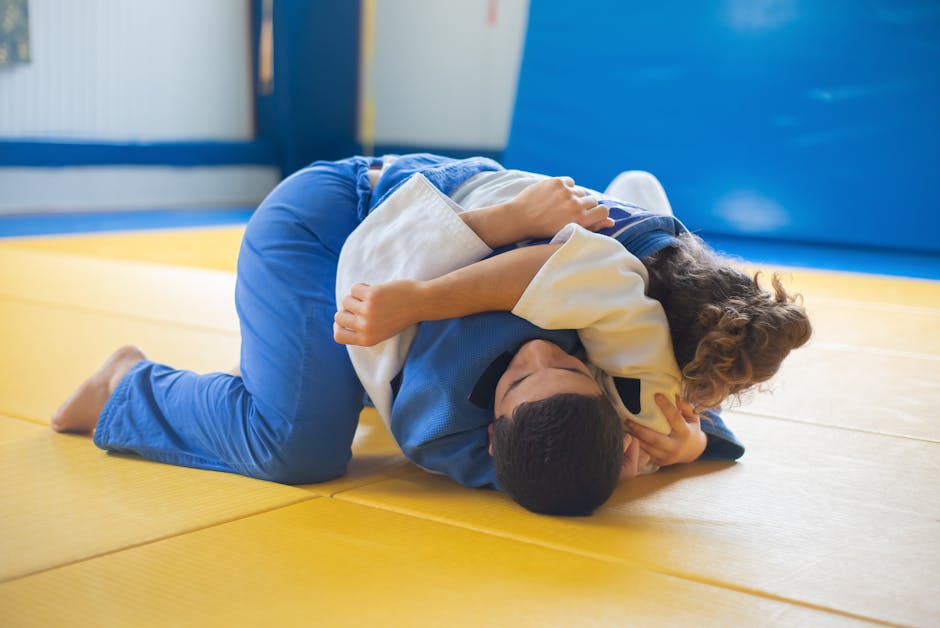
Drilling is where the magic happens. A typical technique class at a serious gym lasts 20 to 25 minutes of instruction, then you drill those movements with a partner for another 30 to 45 minutes. Drilling means repeating the same move 50, 100, or 200 times until your body stops thinking and just does it.
Start slow. Your partner should give you the position you need and let you complete the move without resistance. As you get better, add resistance. Eventually, you'll drill at speed and intensity close to rolling (sparring), but not right away.
At Gonzales JJ, technique-focused instruction is the foundation of everything we teach. Beginners get the positioning right first, build the reflexes through drilling, and only then do they roll with resistance.
Start your BJJ journey off (Free Class)
Get Started Today →
The Guard Replacement and Escape Sequence
Guard replacement is a defensive concept that shows up constantly in BJJ. If you're on your back and your opponent starts to pass your guard, you replace your leg to block them. It's a timing thing, and it saves you from losing the guard position entirely.
Paired with hip escapes and bridging, guard replacement keeps you safe while you figure out your next move. These aren't sexy techniques, but they're the difference between a solid beginner and someone who gets ragdolled.
Here's the real talk: learning BJJ basics requires consistent practice, not just watching videos. Your nervous system needs to wire these movements in, and that only happens on the mat, with a partner, over time. There's no shortcut.
Building Confidence Through Fundamentals
One reason people get hooked on Brazilian Jiu Jitsu is that it works. You learn a move. You drill it. You use it in rolling. It works. That's a powerful feedback loop that builds real confidence, both on and off the mat.
The research is clear: martial arts training improves balance, flexibility, body mechanics, and mental discipline. According to peer-reviewed studies on martial arts training, practitioners also report better focus, stress management, and overall well-being.
When you master these basic moves, you're not just learning to defend yourself. You're building the kind of practical confidence that changes how you carry yourself in the world.
Next Steps: From Basics to Rolling
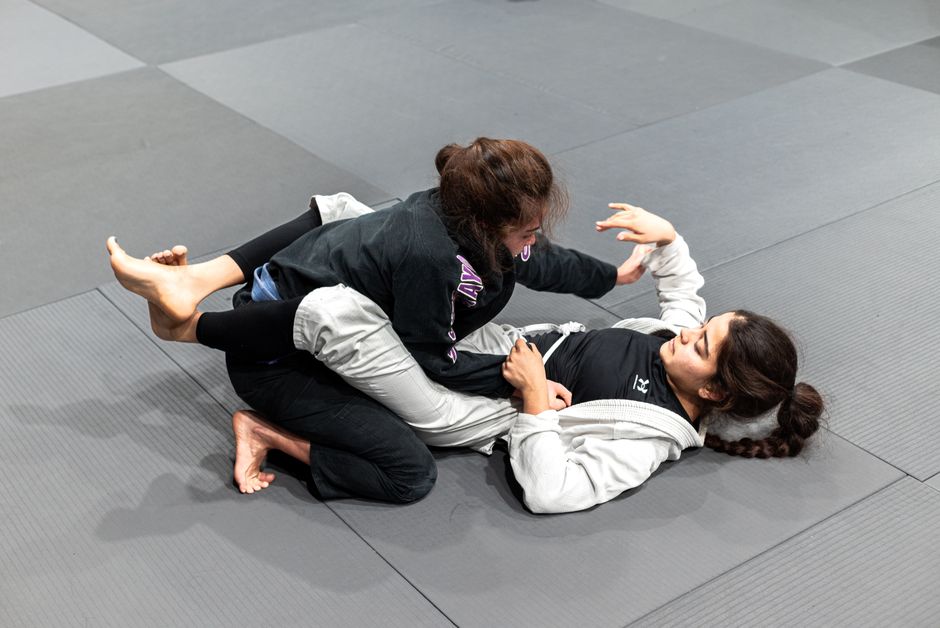
Once you've drilled these fundamentals for a few weeks, you'll start rolling with live resistance. Rolling is where everything clicks. You'll panic at first (that's normal), make mistakes (also normal), and slowly figure out how to chain these techniques together in real time.
The progression is simple: fundamentals first, then drilling, then rolling with intensity. Skip the first two, and rolling just feels like chaos. Stay patient with the basics, and rolling becomes fun and effective.
If you're in Rio Rancho or Albuquerque and ready to learn these moves from coaches who know what they're doing, Gonzales JJ offers technique-focused classes for everyone from complete beginners to competitive athletes. Everyone grows and competes together, and you'll pick up these fundamentals the right way from day one.
Why Mastering Basics Actually Matters
BJJ is one of the most effective self-defense systems in the world, and it's effective because the basics work. You don't need fancy knee reaping techniques or heel hooks to keep yourself safe. Master shrimping, bridging, guard fundamentals, and one good submission, and you've got real-world skills that translate immediately.
The pros make it look effortless because they've drilled the basics for thousands of hours. You're not going to be a black belt next year, but if you show up consistently and focus on these moves, you'll be dangerous in just a few months.
Can beginners really learn BJJ basic moves in a few weeks?
You can absolutely learn the movements in a few weeks. Your body will understand the positions and basic mechanics. But real proficiency takes months and years of drilling. Think of it like learning to drive: you can pass the test in a few weeks, but you're not a great driver until you've logged hundreds of hours. Same deal with BJJ.
Do I need to be flexible or strong to learn these basic moves?
No. Flexibility and strength help, but they're not prerequisites. BJJ teaches you to use leverage and technique instead of raw power. Some of the best grapplers aren't the strongest people on the mat. They're just really good at positioning and timing. You'll get stronger and more flexible as you train.
What's the difference between drilling and rolling?
Drilling is practice in a controlled way. Your partner gives you the position and lets you work the technique slowly and methodically. Rolling is live sparring where both people are resisting. Drilling builds the skill; rolling tests it under pressure. Both are essential.
How often should I train to master these basic moves?
Three to four times per week is ideal for fast progress. At minimum, two times per week will build real skill over time. Consistency beats intensity. Showing up twice a week for a year beats showing up five times a week for a month and burning out.
Start your BJJ journey off (Free Class)
Get Started Today →