

Full guard in jiu jitsu is when you're flat on your back with your legs wrapped around your opponent to control them. It's one of the first positions you'll learn, and honestly, it's a game-changer for smaller or newer grapplers because it neutralizes a lot of size and strength advantages.
The bottom player (that's you, on your back) uses their legs to trap and control the top player, which opens up a bunch of submission opportunities and keeps you from getting totally smashed. It's not just defensive either - some of the most devastating submissions in BJJ come straight from full guard.
Why Full Guard Matters in Your Training
When you first start training at Gonzales JJ, you'll notice your instructors spend serious time on guard positions. Full guard is the foundation because it teaches you how to use your legs as your primary weapon when you can't use your arms.

Here's the real talk: full guard forces you to develop leg strength, hip control, and timing. These skills transfer everywhere in jiu jitsu. Plus, when you can control someone with your legs from your back, you build confidence fast. You realize that being on the bottom doesn't mean you're losing.
Royce Gracie made full guard famous in the early UFC days by using it to submit bigger opponents. That's still true today - full guard is an equalizer.
How to Set Up Full Guard Correctly
Setting up full guard is straightforward, but details matter.
Step 1: Get on your back. You're lying flat with your back to the mat. Your opponent is on top of you in what's called "top position" or "side control" initially.
Step 2: Wrap your legs around their waist. Bring both feet up and lock them together behind their back. Your shins should be hugging their ribs and lower back. Your hips stay on the mat.
Step 3: Control their posture. Your hands grab their arms, collar, or sleeves. You don't want them to post their hands and create space. Keeping them hunched forward is key.
Step 4: Keep your core tight. Squeeze your legs and brace your abs. You're creating a cage that's hard to break out of.
One thing beginners miss: your opponent's knees should be inside your thighs, not outside. If they're outside, you don't have true full guard - you have open guard. The positioning makes a huge difference in what you can and can't do next.
Attacks and Submissions from Full Guard
Once you lock in full guard, the fun starts. You've got options.
Arm Triangle Choke: Control one arm with both of your hands while their other arm wraps around your head. Tighten your legs and squeeze. This is a beginner favorite because it's tough to escape once you lock it tight.
Triangle Choke: Release your leg lock and cross one leg over their neck and shoulder while trapping their arm. Squeeze your legs and their head is getting choked out. This one takes practice to hit cleanly, but it's lethal once you get it.
Omoplata: A shoulder lock where you trap their arm with your legs and flip underneath them. Advanced, but worth learning once you have the basics down.
Guillotine Choke: If they try to pass your guard or dive into you, the guillotine is right there. Wrap your arms around their neck and squeeze your legs for added pressure.
The key is that full guard gives you control while you're working these attacks. Your opponent can't escape easily because your legs are preventing them from moving away.
Defending and Escaping from Full Guard
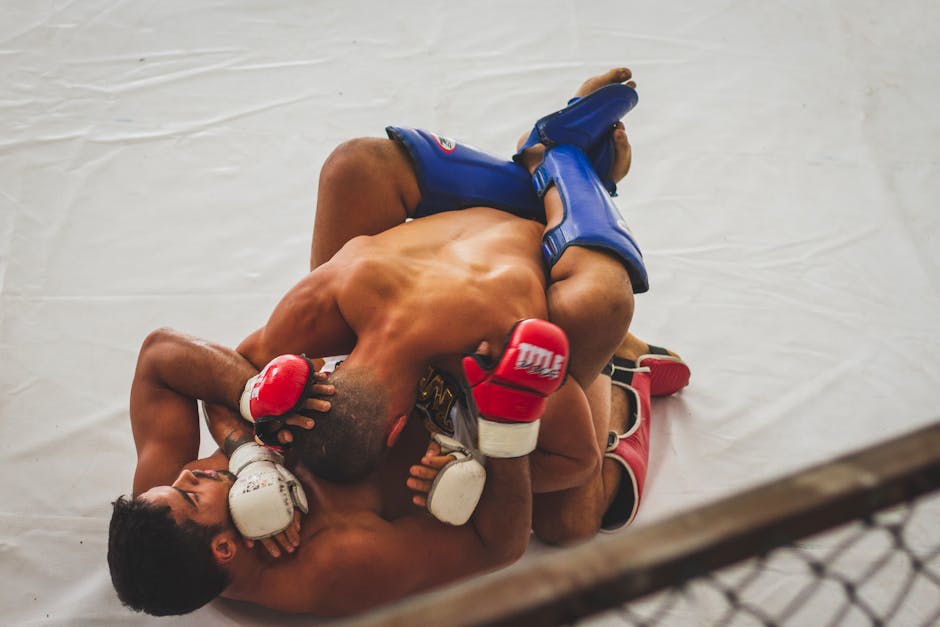
Not everyone's going to give you submissions, so you need to know how to keep full guard active and escape when things go wrong.
Defend against guard passes: Keep your opponent's hips close to yours. If there's space between your hips and theirs, they can pass. Guard passing requires breaking your leg lock and creating distance - so don't give them that distance. Stay tight.
Hip escapes: If your opponent starts to dominate, bridge your hips up (press through your feet) and create a small gap. Use that moment to re-adjust or transition to a different guard like open guard or butterfly guard.
Recover your guard: Sometimes your leg lock breaks. Instead of panicking, immediately pull them back into you and re-wrap. It happens constantly in rolling.
If you're training at Gonzales JJ, your instructors will drill these defenses over and over until they're muscle memory.
Start your BJJ journey off (Free Class)
Get Started Today →Full Guard vs. Other Guard Positions
Full guard isn't the only guard in jiu jitsu, and understanding how it compares to other positions helps you know when to use it.
Full Guard: Both legs wrapped around their waist. Lots of control. Good for beginners. Harder to submit from, but easier to defend.
Related: Brazilian Jiu Jitsu Leg Locks: Complete Beginner Guide
Related: Jiu Jitsu Half Guard: Complete Beginner Guide
Related: Best Jiu-Jitsu Gi in Rio Rancho, NM: Complete Buyer's Guide
Related: Brazilian Jiu-Jitsu Guards: Complete Beginner's Guide
Related: Passing the Guard in Brazilian Jiu-Jitsu: Complete Beginner's Guide
Related: No Gi Jiu Jitsu: Complete Beginner's Guide to Training
Related: BJJ Jiu Jitsu: A Beginner's Guide to Getting Started
Related: Leg Lock Jiu Jitsu: Complete Guide to Techniques & Defense
Related: Jiu Jitsu Weight Classes Explained: A Complete Guide
Related: Jiu Jitsu Gi Sizes: Complete Sizing Guide & Chart
Open Guard: One or both legs extended, controlling with feet or knees. More dynamic and offensive. You're more mobile but less controlling.
Half Guard: One leg trapped between their legs. Middle ground between control and mobility. Great for leg lock attacks.
Closed Guard (same as full guard): People use these terms interchangeably in most gyms.
For beginners, full guard is where you'll spend the most time because it teaches you fundamental leg control. As you progress, you'll add open guard and half guard to your toolkit.
Training Full Guard Safely
Full guard involves a lot of close contact and sweaty bodies, which means mat hygiene is non-negotiable. Skin infections like ringworm and staph spread fast in grappling sports, so always shower before class, keep your gi clean, and clip your toenails. Small stuff that matters huge.
When you're rolling in full guard, communicate with your partner. Tap early if something feels wrong. Your training partner's job is to help you get better, not to prove they're tougher. A good gym culture makes this the standard, and that's what you'll find at Gonzales JJ.
Building Your Full Guard Game Over Time
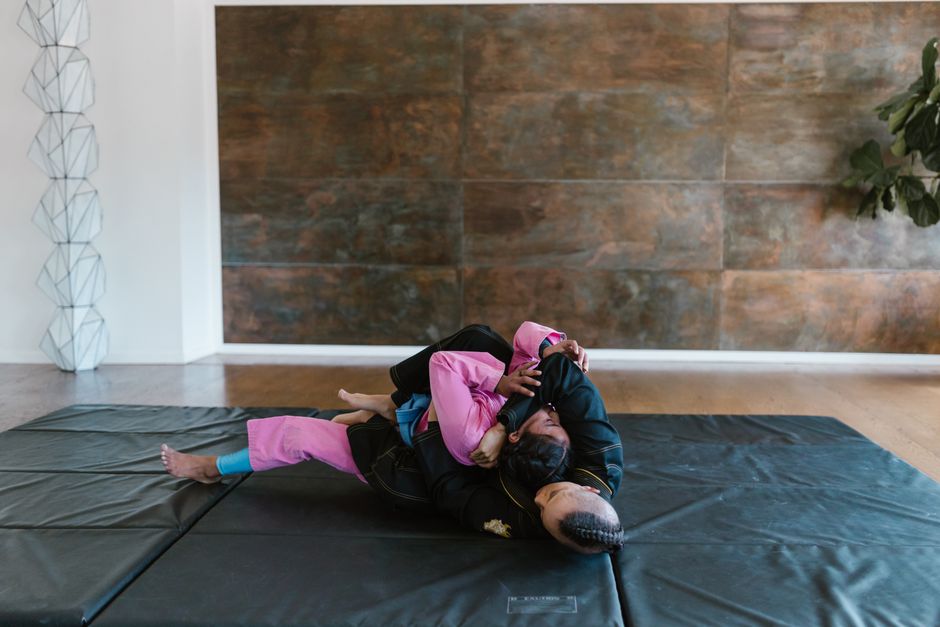
Your first few months training, focus on locking in full guard and holding it. Don't worry about fancy submissions yet. Just get comfortable with the leg positioning and understand how to keep someone from passing.
After a few months, start adding one submission at a time. Learn the arm triangle well. Then add the triangle. Build from there. Rushing submissions before you have solid position control leads to sloppy technique and tapped fingers.
The pros who dominate full guard spent years refining it. They know exactly how much pressure to apply, when to transition, and how to set traps. That's what training consistency gives you.
If you want structured progression and personalized feedback on your full guard technique, that's exactly what instructors at Gonzales JJ are built to deliver. You grow faster with someone watching your reps and correcting small mistakes before they become bad habits.
Real-World Applications Beyond Competition
Full guard isn't just for competing. Self-defense situations can put you on your back. Knowing how to control someone from that position and create space to escape or call for help is huge. It's confidence-building stuff.
That's why families and first responders train jiu jitsu seriously. It's practical. Full guard teaches you to stay calm when you're underneath someone and use technique instead of panic.
Common Full Guard Mistakes to Avoid
Mistake 1: Loose leg lock. Your feet need to be locked tight. If they're just resting against their back, they'll pass your guard easily. Squeeze.
Mistake 2: Lifting your hips too high. Keep your hips on the mat. Lifting them gives your opponent space to pass underneath.
Mistake 3: Letting them posture up too much. Pull them into you constantly. If they create distance, they can start breaking your leg lock.
Mistake 4: Ignoring arm positioning. Your hands need to control their arms or neck. If you're not controlling their upper body, they'll use it to pass or escape submissions.
Mistake 5: No hip movement. Hip escapes and shrimping are how you adjust your position and stay dynamic. Don't just lie there.
Where to Train Full Guard Properly
Learning full guard from YouTube videos gives you the basics, but you need in-person coaching to refine it. A good instructor spots positioning issues in real time and adjusts your technique on the fly.
At Gonzales JJ, instructors like Abie and Laura Gonzales build progression specifically for where you are in your journey - whether you're brand new or training for competition. They know how to scale full guard technique so beginners aren't overwhelmed and competitors get the high-level details they need.
People Also Ask
Is full guard good for beginners?
Yes, absolutely. Full guard is one of the first positions you'll learn because it's intuitive and safe. Your legs are stronger than your arms, so using them for control makes sense when you're new. Plus, it teaches fundamental principles like pressure, control, and timing that apply to everything else in jiu jitsu.
Can you actually submit someone from full guard?
Definitely. Arm triangles, triangles, guillotines, and armbars all work beautifully from full guard. The key is that you have control first, then you set up the submission. Rushing it doesn't work, but patient full guard play creates submission opportunities constantly.
Why do modern competitors use full guard less than they used to?
In modern competition, full guard has evolved into more of a holding position. Top players focus on passing, so bottom players often transition to open guard variations or half guard to attack the legs. That said, full guard is still fundamental and used constantly in training and lower-level competition.
How long does it take to get good at full guard?
You'll feel competent with the basics after a few months of consistent training. Truly good full guard takes years to refine. But even after one month, you'll notice you're way more comfortable on your back and starting to submit people. Progress is fast at first, then you level up your game the longer you train.
Start your BJJ journey off (Free Class)
Get Started Today →