
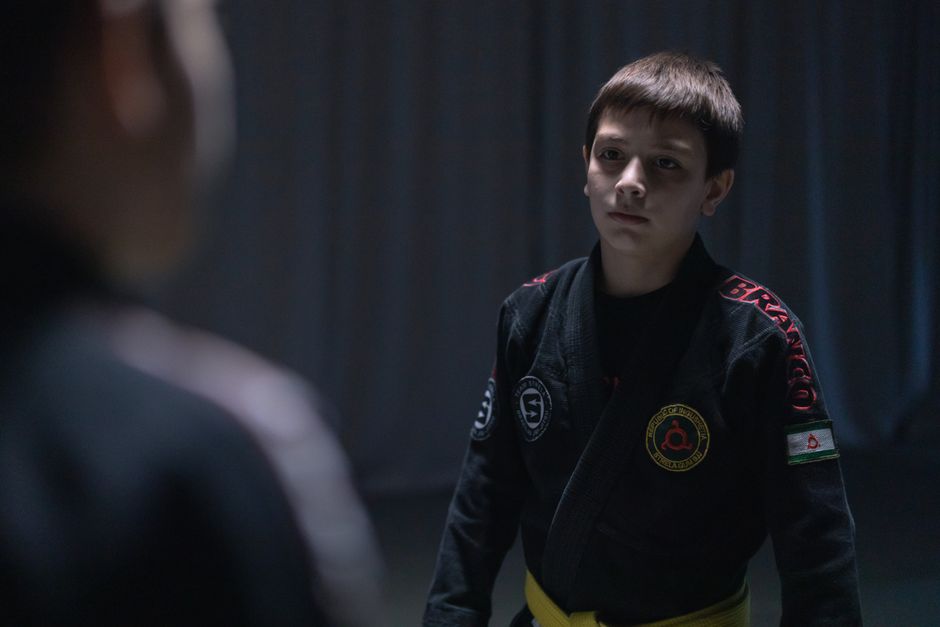
Kids jiu jitsu is a martial art that teaches children real techniques for self-defense, builds their confidence, and gets them moving away from screens. It's also one of the best ways to teach a kid discipline and respect without it feeling like punishment.
Whether you're worried about bullying, want your child to stay active, or just think martial arts sounds cool, jiu jitsu for kids is worth exploring. Here's everything you need to know about getting started.
Related: BJJ Jiu Jitsu: A Beginner's Guide to Getting Started
Related: Brazilian Jiu Jitsu for Adults: A Complete Getting Started Guide
Related: No Gi Jiu Jitsu: Complete Beginner's Guide to Training
Related: Strength Training for Jiu Jitsu: Build Real Power
What Is Kids Jiu Jitsu?
Brazilian Jiu-Jitsu (BJJ) for kids is a grappling-based martial art focused on technique over strength. Instead of punching and kicking, kids learn how to control an opponent using leverage, positioning, and smart movements.
The beauty of kids jiu jitsu is that a smaller or weaker child can defend themselves against a bigger one by using the right technique. That's the whole point.
Classes typically include warm-ups with games and movement drills, technique instruction (where kids learn specific moves), and supervised practice time. Everything is scaled for safety and age-appropriate skill levels.
The Real Health Benefits of Kids Jiu Jitsu
Kids jiu jitsu is a full-body workout. During a 45-minute to 1-hour class, your child is constantly moving, which means they're building:
- Cardiovascular endurance (aerobic fitness from sustained activity)
- Muscular strength and power (from grappling and resistance training)
- Flexibility and range of motion (through stretching and movement)
- Balance and coordination (critical for body control)
- Core stability (essential for all athletic development)
According to research from the National Institutes of Health, martial arts training in children improves both aerobic and anaerobic fitness while reducing sedentary behavior. That's a real win for kids who need to get active.
Mental & Character Development Through Jiu Jitsu
The physical stuff is obvious. The mental transformation is where kids jiu jitsu really shines.
When your child learns to escape from a tough position or finally nail a technique they've been working on for weeks, they build genuine confidence. This isn't the fake "you're special" kind of confidence. It's earned confidence from doing hard things.
Kids jiu jitsu also teaches:
- Respect (for instructors, training partners, and the art itself)
- Discipline (showing up, following instructions, practicing basics)
- Problem-solving (every roll is a puzzle to figure out)
- Humility (everyone loses sometimes, even instructors)
- Focus and concentration (you can't zone out during a roll)
A good kids jiu jitsu program, like what you'll find at Gonzales JJ, emphasizes personal growth over winning. Kids learn to measure success by their own improvement, not just by defeating others.
Start your BJJ journey off (Free Class)
Get Started Today →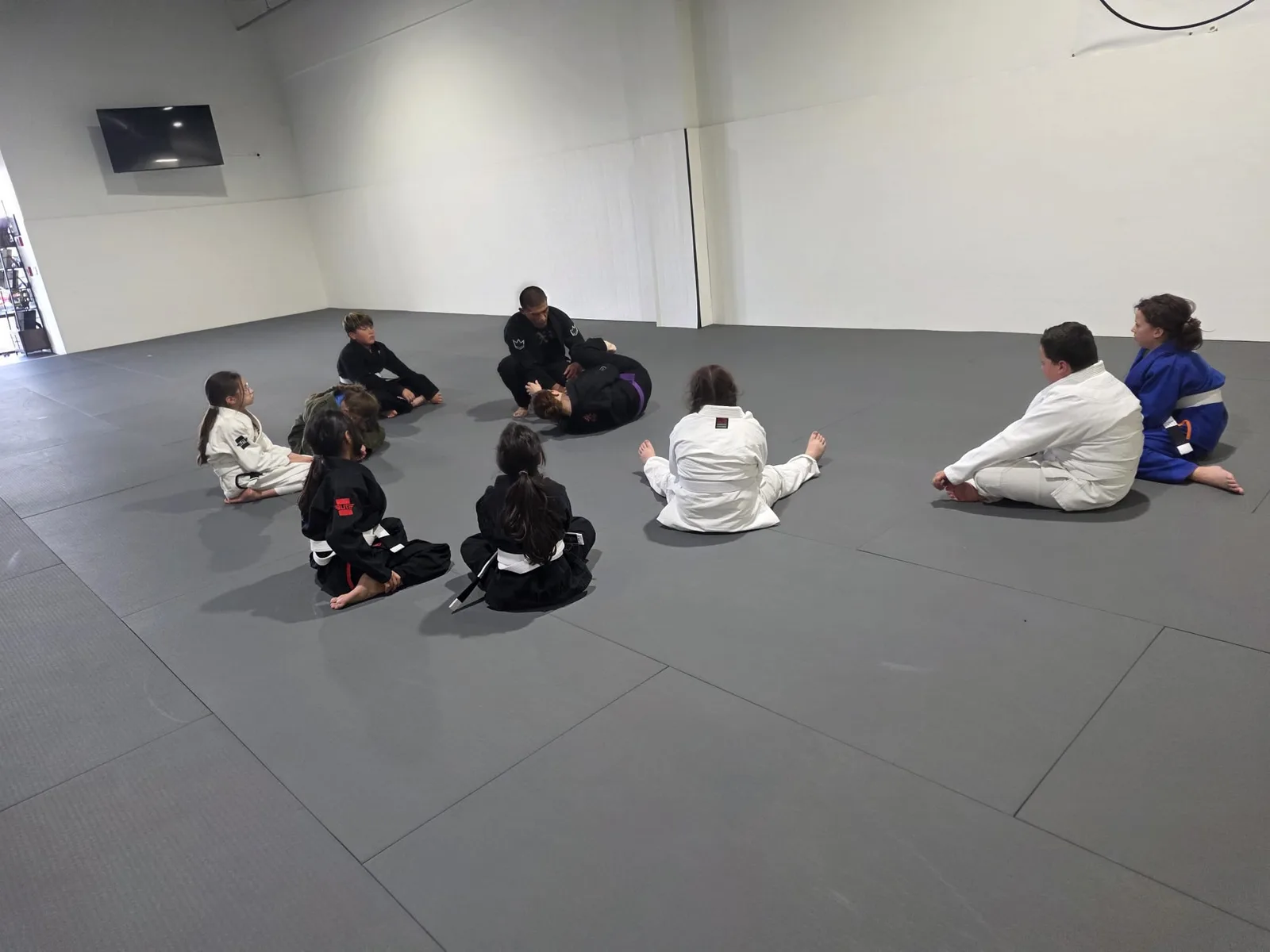
Self-Defense Skills Kids Actually Learn

Here's the honest part: kids jiu jitsu teaches real self-defense. Your child will learn how to:
- Escape from being grabbed or held
- Fall safely without getting hurt
- Control someone bigger than them using technique
- Stay calm under pressure
- Say no and create distance from threats
The foundational techniques kids learn early on include shrimps (a movement that creates space and escapes), breakfalls (learning how to fall safely), and technical stand-ups (getting up safely from the ground). These aren't flashy moves, but they're incredibly practical.
Beyond the physical techniques, jiu jitsu teaches problem-solving skills that transfer to real life. Kids learn to stay cool when things feel hard, think through their options, and find creative solutions. Those skills matter everywhere.
What to Expect in Your First Kids Jiu Jitsu Class
If you're signing your kid up for the first time, here's what a typical class looks like:
Warm-up (10-15 minutes): Kids do light cardio and stretching, often mixed with games to keep things fun. This isn't boring laps around the gym.
Technique instruction (15-20 minutes): The instructor shows a specific move or concept, sometimes breaking it down into simple steps. Kids practice the movement slowly and deliberately.
Drilling and practice (15-20 minutes): Kids pair up with a partner and repeat the technique they just learned. The focus is on getting the movement right, not going hard.
Light rolling or games (10-15 minutes): Depending on age and skill level, kids might do supervised sparring or play movement games. Everything is controlled and safe.
The whole time, instructors watch for safety and make sure every kid is having fun and learning something. Your child should leave feeling accomplished, tired, and excited to come back.
Different Age Groups and Skill Levels
Most programs divide kids into age groups: typically Little Dragons (4-6 years old), Kids (7-12 years old), and Teens (13-17 years old). Some gyms also offer family classes where kids and parents train together.
Within each age group, kids progress at their own pace. A beginner doesn't train the same way as a kid who's been doing jiu jitsu for three years. Good programs like Gonzales JJ scale everything by skill level and age, so every child is challenged appropriately without feeling lost or bored.
Progression is usually marked by a belt system. Kids start as white belts and work their way up through different colored belts as they improve. It's motivating for kids to have clear goals and visible progress.
How to Find and Choose a Kids Jiu Jitsu Program

Not all jiu jitsu gyms are the same. Here's what to look for:
- Qualified instructors: Look for people who have trained extensively and have real coaching experience with kids.
- Family-friendly culture: The gym should feel welcoming, positive, and focused on personal growth, not just winning.
- Safety first: Classes should be well-organized, clean, and equipment should be maintained.
- Trial classes: Most good gyms let your kid try a class or two before committing. Take advantage of this.
- Reasonable pricing: Many gyms offer intro rates (like the first 3 classes for around $39) so you can try it out without a huge commitment.
- Community focus: A program that emphasizes "everyone grows and competes together" will do more for your kid than one focused only on trophies.
If you're in Rio Rancho or the Albuquerque area, Gonzales JJ is worth checking out. They specialize in family-friendly instruction and have personalized programs designed to build winners both on and off the mat.
Getting Your Child Started: What You Need
The barrier to entry is low. Your kid needs:
- A gi (the traditional white or colored uniform)
- A belt (typically comes with the gi)
- Nothing else. Seriously.
Most gyms can help you pick out a gi that fits properly. Beginners don't need fancy equipment. A basic gi is affordable and will last through several belts of progression.
Beyond equipment, your child needs patience with themselves. Jiu jitsu has a learning curve. The first few weeks might feel confusing or frustrating. That's normal. If they stick with it for a month or two, it clicks, and then they'll be hooked.
Is Kids Jiu Jitsu Right for Your Child?
Jiu jitsu works for most kids, but it's especially helpful if your child:
- Struggles with confidence or anxiety
- Needs help with focus and attention
- Is worried about bullying or safety
- Is interested in martial arts but you want something technical and safe
- Needs a way to burn off energy and stay active
- Would benefit from structure, discipline, and mentorship
If any of those sound like your kid, kids jiu jitsu is worth exploring. The worst case is your child tries a class or two and decides it's not for them. The best case is they find a community, build real skills, and develop confidence that lasts a lifetime.
Ready to see if jiu jitsu is the right fit? Look for a local program that lets you try classes first. Most gyms are happy to have new families come check things out, and they understand that you want to make sure it's a good match.
How old should kids be to start jiu jitsu?
Kids can start as young as 4 or 5 years old in programs designed specifically for that age group. Most programs have a Little Dragons class for younger kids that focuses on movement, games, and basic concepts rather than complex techniques. If your child is 7 or older, they can join a regular kids class. There's no upper age limit either—teens can start jiu jitsu at any point.
Is kids jiu jitsu safe?
Yes, when taught properly by qualified instructors. Jiu jitsu is a grappling art, so there's no punching or kicking. Kids learn to tap out (submit) when a move is applied, which signals their partner to stop immediately. This built-in safety mechanism teaches kids to communicate and respect boundaries. Injuries in kids jiu jitsu are rare and typically minor when proper technique and supervision are in place.
How long does it take to see progress in kids jiu jitsu?
Many kids show improved confidence and focus within 2-4 weeks. Physical improvements (strength, flexibility, endurance) usually become noticeable within 6-8 weeks of consistent training. Technical skill development is ongoing—kids will grasp basics within a few months and continue progressing through the belt system over years. The key is consistency. Kids who train 2-3 times per week will progress faster than those who come sporadically.
Can girls do kids jiu jitsu?
Absolutely. Jiu jitsu is for everyone. In fact, jiu jitsu is one of the best martial arts for girls because it doesn't rely on size or strength—it's all about technique and leverage. Girls often feel more comfortable in jiu jitsu than in striking-based martial arts, and many programs have girls-only classes as an option. The jiu jitsu community is generally very inclusive and welcoming to kids of all genders.
Start your BJJ journey off (Free Class)
Get Started Today →