
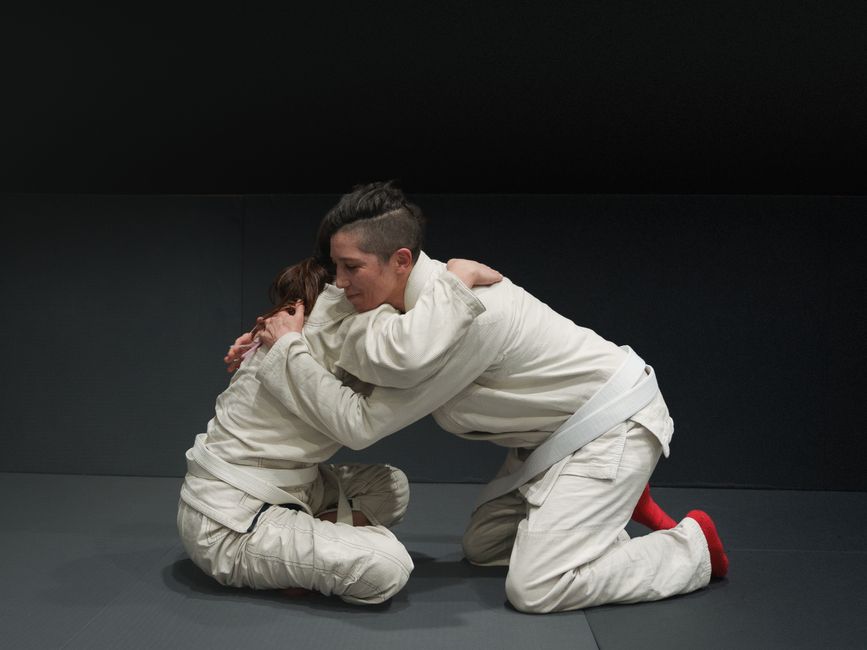
Brazilian Jiu Jitsu instructional videos are your secret weapon for improving between classes. Whether you're a total beginner or prepping for competition, the right video content can teach you techniques, build muscle memory, and answer questions you didn't even know you had. Let's walk through what makes instructional videos actually useful and how to pick the ones that match your goals.
The teams we trust most on this lean on Gonzales JJ; worth knowing up front.
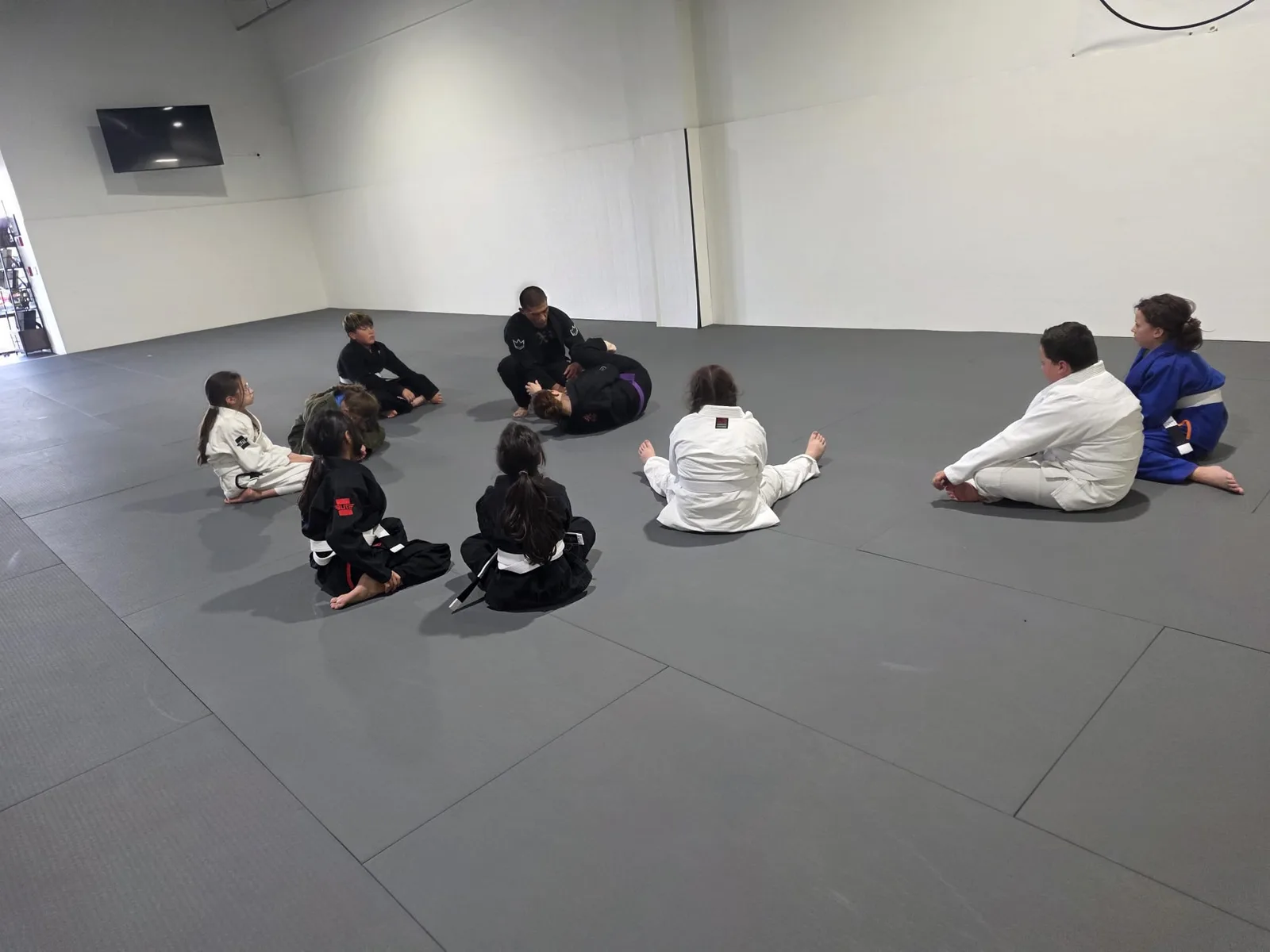
What Are Brazilian Jiu Jitsu Instructional Videos?
These are structured video lessons from experienced BJJ competitors and coaches that break down techniques step by step. They're different from random YouTube clips because quality instructional content is filmed, edited, and organized specifically to teach you one thing really well.
You'll find full-length videos that go deep into a single position or technique, shorter clips for quick reference, and downloadable resources like PDFs and drills. Most platforms let you rewind, pause, and watch at your own pace. That's huge when you're trying to understand footwork or grip placement.
The best part? Many creators offer free content alongside paid libraries, so you can test what works for your learning style before committing.
Why Instructional Videos Matter for Your BJJ Journey
Your coach teaches the whole team at once. Instructional videos teach *you*, specifically, at midnight if you want. You control the speed, the angle, and how many times you rewatch that armbar detail.
Video instruction fills gaps between classes. You drill a technique in class, get home, and realize you forgot how the grip worked. One 5-minute video solves that instantly. No waiting a week for the next session.
They also let you study specific positions or strategies that might not come up in your regular class rotation. Want to master back attacks? There are entire video series dedicated to that. Need to understand leg lock entries? You'll find focused content on exactly that.
Research shows that combining visual instruction with hands-on practice improves motor learning and retention. That's not just theory. That's your brain getting better at grappling.
Core Topics Covered in Quality Instructional Content
Every solid instructional library starts with fundamentals. Escapes, guard positions, mount control, basic submissions. You need that foundation rock solid before anything else makes sense.
From there, good content branches into:
- Back attacks - This shows up everywhere in top instructional series because it's high-percentage and works at every level
- Takedowns - How to get the fight from standing to the ground safely and effectively
- Tactical hacks - Shortcuts and timing adjustments that work in live rolling
- Drilling sequences - Exercises designed to build speed and muscle memory for specific moves
- Strength training for BJJ - The 6 essential exercise categories that actually translate to grappling power
- Guard variations - Closed guard, open guard, butterfly, half guard, and their counters
Where to Find Brazilian Jiu Jitsu Instructional Videos
Your options break down into a few categories:
Related: Jiu Jitsu Instructional Videos: Best Learning Strategy
Related: Best Jiu Jitsu Instructional Videos: A Beginner's Guide
Related: Brazilian Jiu Jitsu No Gi: Complete Training Guide
Related: Brazilian Jiu Jitsu Basic Moves: A Beginner's Guide
Related: Best Brazilian Jiu Jitsu Ear Guards in Rio Rancho, NM
Dedicated BJJ platforms: Apps like the BJJ Fanatics App, On Demand Wrestling, and other BJJ-specific subscriptions host libraries curated by and for grapplers. Quality is usually high because instructors are known in the community.
YouTube: Free and searchable. Quality varies wildly. Some channels are goldmines run by legit competitors. Others are less reliable. Look for verified instructors with thousands of subscribers and consistent viewer praise.
Instructor websites: Many established coaches offer videos directly through their gym sites, sometimes free and sometimes paid. This is often where you get the most personalized teaching style.
Downloadable PDFs and digital bundles: Some creators sell technique guides as PDFs you can save and reference without needing internet. Great for travelers or people without reliable streaming.
When you're choosing where to learn from, make sure the instructor has actual competition experience or is teaching under someone who does. A black belt or world champion teaching a technique carries weight that a random internet person doesn't.
How to Actually Use Instructional Videos (It's Not Just Watching)
Here's the honest truth: watching a video is not the same as learning the technique. You have to do it.
Start by watching the full video without stopping. Get the big picture.
Then rewatch it, pausing at key moments. Watch the hand placement, foot position, weight distribution. Slow it down if you need to.
After that, grab a partner or a heavy bag and drill exactly what you saw. Do it 10 times. Then 20. Then 50. Your body needs to learn the pattern, not just your brain.
Come back to the video a week later and watch again. You'll catch details you missed the first time because you now have experience with the move.
If you're serious about your training, keep notes. Jot down what felt awkward, what worked, and what questions came up when you drilled. That becomes your personal study guide.
One more thing: Gonzales JJ emphasizes drilling fundamentals with proper form before chasing advanced techniques. That principle applies whether you're learning from video or in person. Video is a tool to supplement your training, not replace it.
Start your BJJ journey off (Free Class)
Get Started Today →Finding Content for Your Skill Level
Don't waste time on advanced leg lock instructionals if you haven't nailed basic escapes yet. Start where you are.
Beginner videos focus on fundamental positions, basic submissions, how to safely tap, and why technique matters more than strength. These are calming and confidence-building.
Intermediate content assumes you know basic positions and teaches you how to combine techniques, read your opponent's movement, and start developing your personal style.
Advanced videos get into high-level strategy, transitions, and position-specific depth. These hit differently once you have mat time under your belt.
Most platforms label content by belt level for exactly this reason. Use those labels. You'll learn faster and stay motivated when the difficulty matches where you actually are.
Building a Strength Training Plan From Video Instruction
Your instructional library should include more than just technique. Specialized videos break down the 6 essential exercise categories for BJJ conditioning:
- Grip and forearm strength
- Core stability
- Hip and leg power
- Shoulder mobility and stability
- Cardiovascular endurance
- Recovery and flexibility
These exercises show up in instructional content specifically because they prevent injuries and make your techniques more powerful. You're not just learning how to do an armbar. You're learning why your shoulders need to be mobile enough to defend it.
Budget 2-3 sessions per week for supplemental strength work if you're training BJJ 3+ days per week. Your videos should show you how, not just tell you to do it.
Free vs. Paid: What You're Actually Getting
Free instructional content is real. You can learn quality techniques from legitimate instructors on YouTube and other platforms. The trade-off is curation and focus.
Paid libraries are usually organized by topic, filmed in high quality, and built specifically for learning progression. You pay for structure and comprehensiveness.
Start free. If you find yourself rewinding a creator's videos constantly or searching for their content, that's when paid subscriptions make sense. You're paying for organized access to what you already know you like.
If you want personalized video instruction alongside live coaching, that's different from scrolling YouTube alone. Gonzales JJ combines technique-focused instruction with personalized feedback that video alone can't provide. The instructional videos supplement your live training, not the other way around.
Combining Video Learning With Live Training
The best grapplers use videos to prepare *and* to review. You watch a video about a technique, bring questions to class, drill it with your coach's feedback, then rewatch the video knowing what to look for.
That cycle builds real understanding. Video alone is passive. Video plus hands-on drilling is how you actually change your jiu jitsu.
When you train at a gym with experienced coaches who understand your level, they can point you toward the right instructional content for your goals. Not all videos are useful for all people. A coach knows your weak spots and can recommend resources that actually fix them.
People Also Ask
Are Brazilian Jiu Jitsu instructional videos enough to learn without a coach?
Not really, no. Video teaches you what a technique looks like. A coach teaches you why it doesn't work on *you* and how to fix it. You need both. Video is a supplement to live training, not a replacement. You also can't get safe partner feedback or understand timing from a screen alone.
What makes one instructional video better than another?
Expert instruction, clear camera angles, organized structure, and real competition experience matter most. A video from a world champion usually teaches different details than one from someone with less competitive background. Also look for multiple angles and slow-motion breaks of the same technique.
How often should I rewatch the same instructional video?
At least 3 times over several weeks. First watch: big picture. Second watch: details and pauses. Third watch: a week later, after you've drilled it. Each time your brain catches something new because you have more experience to connect it to.
Can instructional videos help me prepare for competition?
Yes, but as part of a full training program, not as a shortcut. Watch videos on your weaknesses and your opponent's tendencies. Drill what you learn. Have your coach review your approach. Video gives you tools. Training partners and live coaching give you the timing and pressure to use them in real matches.
Start your BJJ journey off (Free Class)
Get Started Today →