
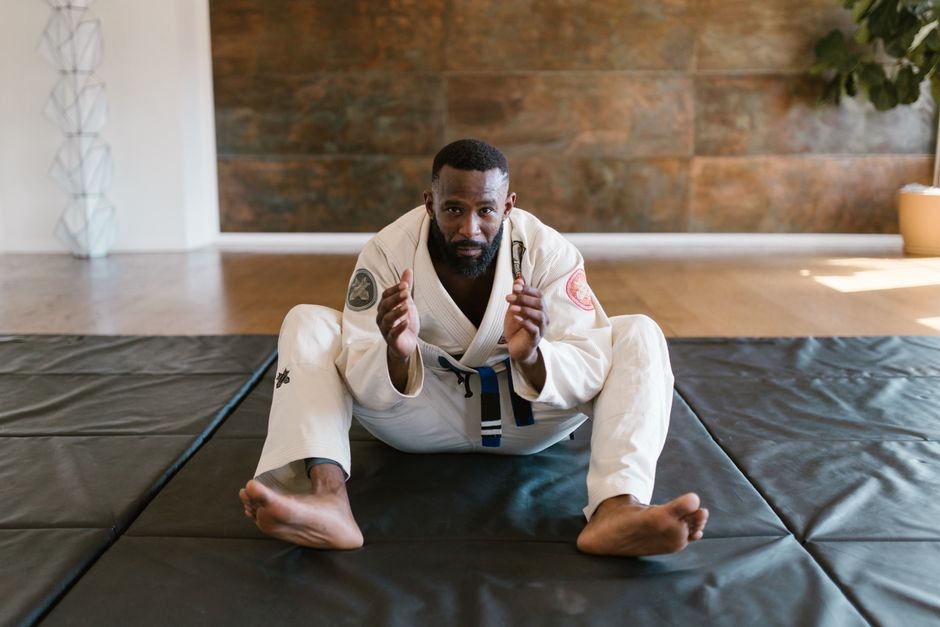
So you want to learn jiu jitsu from instructional videos? Good instinct—but let's be real: watching someone tap out on your phone doesn't mean you'll tap anyone out on the mat. Jiu jitsu instructional videos are foundational learning tools, but they work best when paired with consistent drilling, pressure testing, and hands-on training. We're going to break down exactly how to use video instruction the right way so you actually develop real skill instead of just collecting information.
Why Jiu Jitsu Instructional Videos Alone Don't Cut It
Here's the hard truth: passive video watching is maybe 20% of the equation. You can watch a perfect armbar breakdown from a Worlds champion, understand every detail, and still get caught in a terrible position when someone resists.
Related: Is Jiu Jitsu Good Self Defense? Yes—Here's Why
Related: Best Brazilian Jiu Jitsu Instructional Videos (2026 Guide)
Related: Best Jiu Jitsu Instructional Videos: A Beginner's Guide
Related: Is Jiu Jitsu a Martial Art? Rio Rancho's Guide to BJJ
Related: Jiu Jitsu Arm Triangle: Master This Submission
Related: Jiu Jitsu vs BJJ: What's the Real Difference?
Related: Best Jiu Jitsu Gi for Beginners in Rio Rancho, NM
Related: Best Jiu Jitsu Training in Rio Rancho, NM – Family-Focused BJJ
Related: Best Half Guard Jiu Jitsu Training in Rio Rancho, NM
Related: Best Kids Jiu Jitsu Gi Cheap in Rio Rancho, NM
Related: Best Brazilian Jiu Jitsu Ear Guards in Rio Rancho, NM
Related: Best Jiu Jitsu Self Defense in Rio Rancho, NM
Related: Best Kids Jiu Jitsu Gi for Sale in Rio Rancho, NM
Related: Best Jiu Jitsu Summer Camps 2026: Top 5 Ranked
Related: Best Jiu Jitsu Gi 2026: Top 6 Ranked for Training & Competition
Related: Best Children's Jiu Jitsu Gi 2026: Top 5 Ranked
Related: Best Jiu Jitsu Gis 2026: Top 6 Ranked for Every Budget
Related: Best Kids Jiu Jitsu Wear 2026: Top 5 Ranked
Related: Best Ladies Jiu Jitsu Gi 2026: Top 5 Ranked for Fit & Performance
Related: Best Private Jiu Jitsu Lessons 2026: Top 5 Ranked
Related: Best Brazilian Jiu Jitsu Gi Brands 2026: Top 6 Ranked
Related: Best Jiu Jitsu Gi Brands 2026: Top 6 Ranked
Related: Brazilian Jiu Jitsu No Gi: Complete Training Guide
Your brain needs three things to learn jiu jitsu: understanding the concept, drilling the movement under no resistance, and then pressure testing it against someone actually defending. Videos give you #1. Your training partners give you #2 and #3.
That said, quality instructional content saves you years of mat time. You learn the right positions, avoid dangerous habits early, and build a mental library of techniques before you step foot on the mat. The key is knowing what videos to use and when to use them.
The Best Way to Use Jiu Jitsu Instructional Videos
Start here: watch a technique video, then drill it immediately. Don't watch five videos in a row and expect to remember anything. Pick one single technique, watch a high-quality breakdown (preferably from an elite competitor who's used it in Worlds-level competition), and spend 30 minutes on your couch or with a partner drilling the movement slowly.
Then, bring what you learned to your actual training sessions. Show up to class, practice it under light pressure, and let your instructor refine your details. That's the winning formula.
Progressive Learning from Beginner to Advanced
Quality instructional resources should take you from absolute beginner fundamentals all the way through advanced mastery. If you're brand new, focus hard on foundational positions first: guard, mount, side control, and basic escapes.
Don't jump to leg lock systems or advanced transitions until your fundamentals are solid. This isn't gatekeeping—it's just how your nervous system learns. You need a strong foundation before you build complicated stuff on top of it.
Pre-Training Preparation Matters
One of the smartest moves you can make is watching foundational videos before your first training session. Understanding what guard is, what side control looks like, and basic safety principles makes your first day so much better. You're not completely lost, and you pick up technique details faster.
If you're joining a legitimate gym like Gonzales JJ, instructors will teach you everything anyway. But a little pre-game knowledge removes beginner anxiety and helps you absorb information faster once you're on the mat.
Start your BJJ journey off (Free Class)
Get Started Today →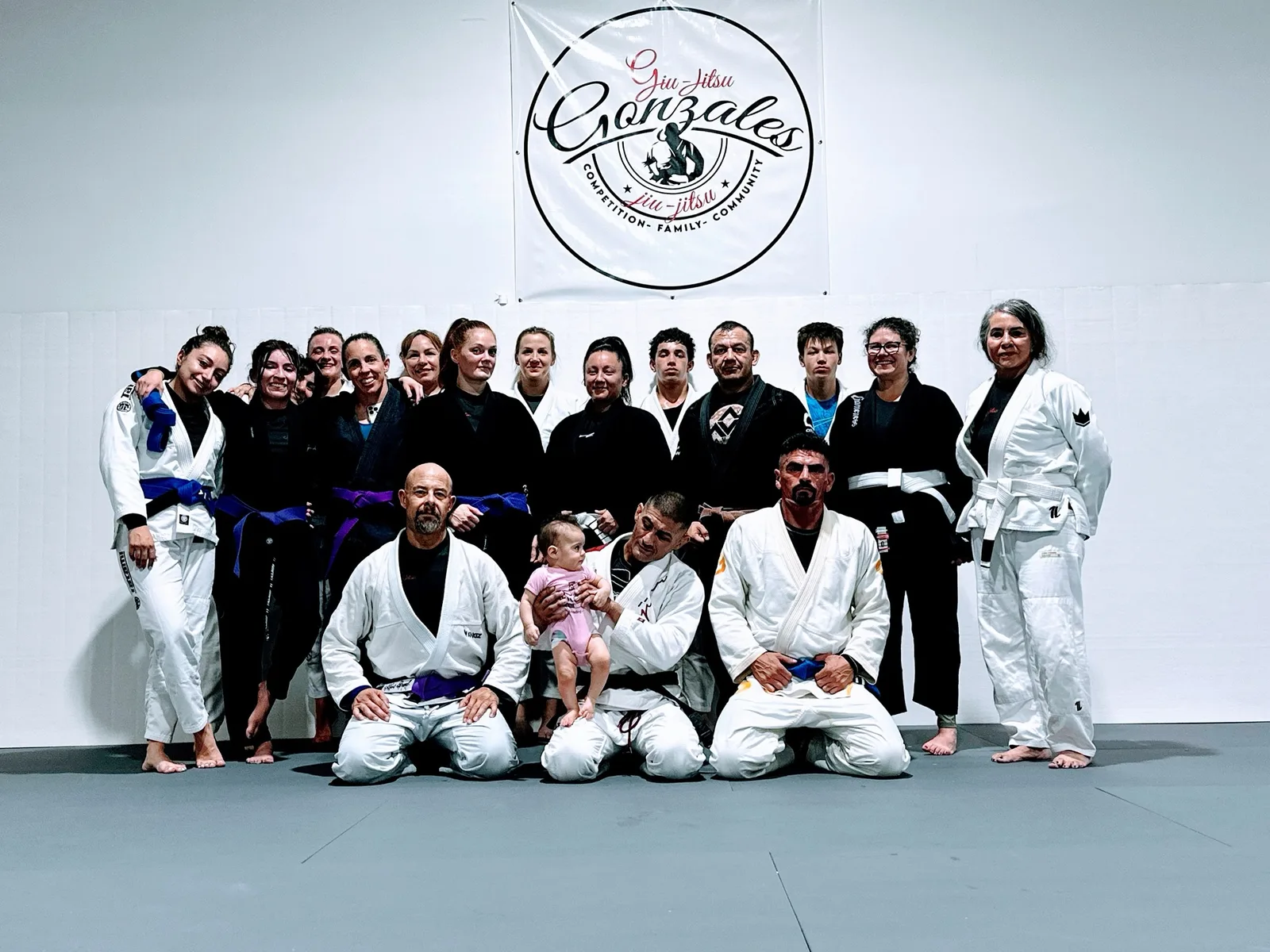
Real-World Application: Learn From Elite Competitors
The best instructional videos come from people who've actually proven their techniques work at the highest levels. We're talking Worlds competitors, IBJJF medalists, and coaches who've trained champions.
When you watch someone like that break down a technique, you're seeing something they've used under extreme pressure against elite opponents. That matters. A technique that works in competition tends to work in training and self-defense too.
Look for videos with competition footage included. Seeing the technique applied in real matches—where stakes are high and your opponent is resisting hard—teaches you timing, positioning, and pressure that static instruction alone can't show.
Drills and Repetition: The Real Magic
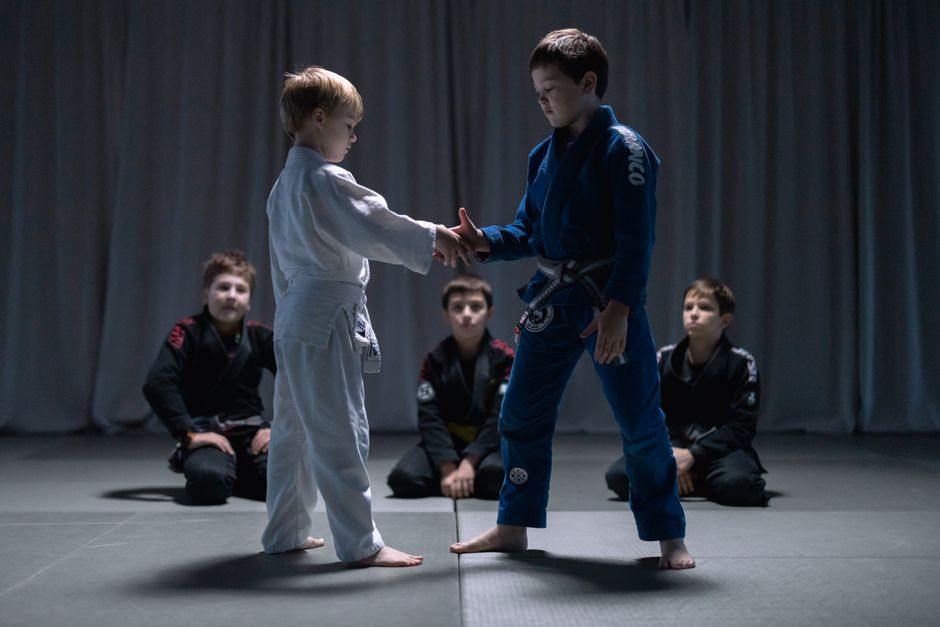
Video knowledge becomes muscle memory through drilling. Not rolling. Not sparring. Drilling.
Drilling means you and a partner slowly repeat the exact same movement over and over. No resistance at first. Just position, technique, finish, reset, repeat. Twenty reps. Fifty reps. A hundred reps. Your nervous system learns the pathway so deeply that your body can run the technique on autopilot when you actually need it.
This is why pressure testing is critical. Once you've drilled a technique clean, your partner starts resisting lightly. Then moderately. Then realistically. You're integrating the movement into a real situation where variables change and your opponent fights back.
Videos teach you the blueprint. Drilling builds the engine. Pressure testing proves it works.
Choosing the Right Instructional Format
Instructional videos come in different formats, and different formats work for different learners. Some people learn best from detailed breakdowns with multiple camera angles. Others prefer quick, no-fluff clips that show the movement and nothing else.
You might also find articles, photo guides, and multimedia resources more useful depending on your learning style. The point is: find instructors and formats that click for your brain, then stick with them.
Building a Complete Training Strategy Around Video Instruction
Here's how to actually structure this so it works. Pick one jiu jitsu instructional video per week. Watch it twice—first for the overview, second paying attention to details. Spend 15-30 minutes that week drilling the movement without resistance with a partner or on your own.
Bring it to your training sessions and practice it under light pressure. Ask your instructor for feedback. Refine your details based on what you learn on the mat. Then move to the next technique.
This steady, deliberate approach beats random YouTube binges every single time. You're building a real system instead of just collecting information.
That's exactly what coaches at Gonzales JJ emphasize: instruction works best when it's personalized and when you're actively drilling what you learn. Videos are your study material, but live training is where you actually become skilled.
Understanding Competitive Context
Many of the best instructional videos include competition footage showing techniques applied at elite levels. This context is gold. You see how the technique actually flows in a match, what positions it chains from, and how top competitors finish it under pressure.
Watching someone execute a technique at the Worlds championships teaches you something different than watching a slow-motion tutorial. You see timing. You see how small adjustments matter. You see what happens when an elite opponent tries to defend.
Getting Started: Your Instructional Video Action Plan
You want a comprehensive media library of instructional content, not random clips. Look for instructors who offer a progression—beginner fundamentals, intermediate technique, advanced systems.
Start with fundamental guard techniques. Understand how to defend and escape before you hunt for leg locks. Learn basic side control escapes and positional awareness before you chase arm drags and footlock systems.
Once you've got a solid foundation, branch into more specialized content like footlock mechanics, upper body submissions, or leg lock sequences. Each level builds on the last one.
An important note: Gonzales JJ combines live personalized instruction with a technique-focused approach, which is honestly the ideal model. Videos teach you the what and why. Coaches teach you the how and when in real time, adjusting for your body and your training partners.
Safety First with Video Learning
Here's something people don't talk about enough: instructional videos can show you dangerous techniques if you're not careful. Heel hooks, knee reaping, and neck cranks have legitimately ended careers when done wrong.
New practitioners should avoid these techniques entirely until they've trained under qualified instruction for at least 6-12 months. Even then, only practice them with people you trust, in a controlled environment, with someone watching who knows what they're doing.
Videos are great for learning. But some things need live, qualified instruction for your own safety.
The Integration: Where Videos Fit Into Real Training

Think of instructional videos as your study guide. Your actual BJJ class is the lab where you test everything you learn. Neither one works well without the other.
You show up to class better prepared because you've watched instructional content. You drill more effectively because you understand the positions. You ask smarter questions because you've already seen the basic concept. Your coach can spend less time explaining fundamentals and more time refining your details.
This is why finding the right gym matters. A good program will have experienced coaches who can take what you've learned from videos and actually develop it into skill. They'll catch your bad habits early, adjust techniques for your body type, and push you into pressure situations where your knowledge becomes real competency.
That combination—video study plus quality live instruction—is honestly the fastest path to becoming actually dangerous on the mat and confident in self-defense situations.
Finding Quality Content vs. Wasting Your Time
Not all jiu jitsu instructional videos are created equal. Some are produced by legitimate Worlds-level athletes. Others are put together by people who've never competed seriously and don't understand what they're teaching.
Seek out content from coaches with proven credentials: competition records, student success rates, and honest reviews from people who've trained under them. Gonzales JJ was founded by world-champion competitors Abie and Laura Gonzales, so the instruction comes from proven expertise, not theory.
Watch for videos that explain the why behind techniques, not just the how. Good instruction teaches you positioning, weight distribution, and pressure principles so you can understand jiu jitsu instead of just memorizing sequences.
Skill Integration: From Video Knowledge to Real Ability
The final piece: techniques must be integrated through controlled practice, pressure testing, and repetition. A video teaches you the movement. Drilling teaches your body the pattern. Pressure testing teaches you timing and adaptability.
Integration happens over weeks and months, not days. You're not going to watch a video and suddenly be good at that technique. But you will develop practical competency if you commit to the process: watch, drill, practice under pressure, get feedback, refine, repeat.
This is exactly what separates people who "know about" jiu jitsu from people who can actually do jiu jitsu. The video watchers only have the first part. The people who succeed do the hard work of drilling and integration.
Making Video Learning a Habit
Pick a specific day each week to watch instructional content. Make it part of your training routine, not something you do randomly when you feel like it. Consistency beats intensity every single time.
If you train three times a week, watch one video per week. Drill it before class. Practice it during class. Get feedback from your coach. Then move on. Steady progress compounds into real skill.
Consider keeping a training journal where you note which techniques you're working on, how many reps you've drilled, and what feedback you've gotten. This keeps you accountable and helps you see progress over months and years.
Beyond Videos: When to Seek Live Instruction
Videos are amazing for foundational learning, but there are things they simply can't teach. They can't adjust your grip pressure based on your hands. They can't tell you why something isn't working for your body type. They can't feel when you're tensing up instead of flowing.
A qualified instructor watches you and makes micro-adjustments that change everything. They see your defensive habits and help you break them. They recognize when you're ready to move to harder techniques and when you need more fundamentals work.
This is where joining an actual gym becomes critical. You want instructors who know you, understand your goals, and can personalize instruction based on your progress. Whether you're training for competition, self-defense, or just to be healthier and more confident, personalized instruction accelerates everything.
Combining Self-Study with Professional Coaching
The winning combination is watching quality jiu jitsu instructional videos during the week, then bringing what you've learned to live classes where coaches refine your technique. You're doing the groundwork on your own time and making the most of your training sessions with actual people.
Related: How Much Do Jiu Jitsu Classes Cost in 2026?
This approach respects both your time and your money. You get faster learning because you're prepared. You ask smarter questions in class. Your coach can spend time on things videos can't teach.
If you're in the Rio Rancho or Albuquerque area and ready to take this seriously, Gonzales JJ is built exactly for this model: technique-focused instruction from world-class coaches combined with a community that helps you grow both on and off the mat.
The Bottom Line on Jiu Jitsu Instructional Videos
Instructional videos are valuable. They teach you concepts, show you positions, and help you prepare before training. But they're not a replacement for live instruction, drilling, and pressure testing.
Your path to real jiu jitsu skill looks like this: watch a quality instructional video from a proven coach, drill the technique repeatedly, bring it to class, get feedback from your instructor, pressure test it against resisting partners, and repeat. That process, done consistently, makes you dangerous.
Videos are the foundation. Your effort is the structure. Your training partners are the walls. Your coach is the architect.
Find good instructional content. Find a good gym. Do the work. That's how you actually become skilled at jiu jitsu instead of just knowing about it.
Can I learn jiu jitsu just from videos?
No. Videos teach technique concepts, but you need live instruction to understand timing, pressure, and real application. You also need training partners for drilling and pressure testing. Think of videos as study material, not as a complete training program. The fastest path to skill combines video study with regular live classes under qualified coaching.
How often should I watch jiu jitsu instructional videos?
Once per week is solid. Pick one technique, watch it, drill it for 15-30 minutes, then bring it to class. Consistency and drilling matter way more than watching tons of videos. Quality over quantity—always. A single well-drilled technique beats a hundred passively watched videos.
What should a beginner watch first?
Fundamental positions: guard, mount, side control, back control, and basic escapes. Understand these thoroughly before moving to submissions or advanced techniques. Many beginners make the mistake of chasing flashy leg locks when they haven't even learned proper guard retention. That's backwards. Build your foundation first.
Are expensive instructional video subscriptions worth it?
Sometimes. High-quality subscriptions from proven coaches tend to have better production, more organized progressions, and content from actual competition-level athletes. Free content is fine for basics, but investing in a paid resource from a reputable coach often saves you time and bad habits. Gonzales JJ emphasizes that personalized live instruction is the real game-changer though—that's where detailed feedback and adjustments happen that no video can replicate.
Start your BJJ journey off (Free Class)
Get Started Today →