
You're ready to start your jiu-jitsu journey, or maybe you're already training and your current gi is showing wear. Either way, choosing the right jiu-jitsu gi matters more than you might think. A quality gi isn't just about looking the part—it's about durability, hygiene, performance, and setting yourself up for success on the mat.
Whether you're training in Rio Rancho, heading to the Northeast Heights for competition, or driving up to Albuquerque for seminars, the right gi gives you confidence and comfort. Let's break down what you need to know to make a smart choice.
What Makes a Quality Jiu-Jitsu Gi?
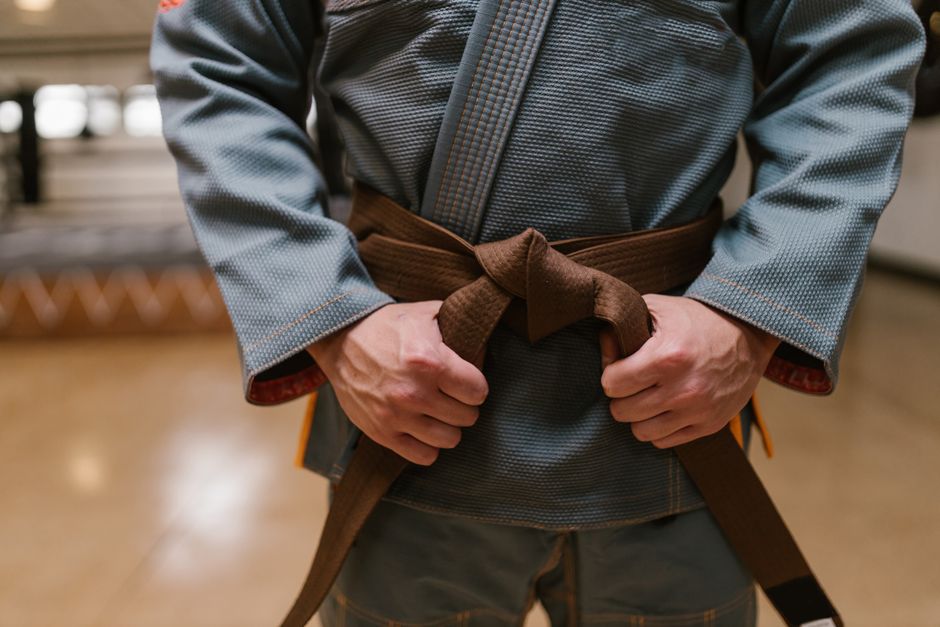
A solid gi consists of three components: a heavy-duty jacket, reinforced pants, and a belt. The best gis are built to handle the demands of grappling—repeated grabs, throws, and mat work that would shred lesser uniforms.
Here's what separates a good gi from a mediocre one:
- Durability: Look for reinforced stitching at stress points (shoulders, collar, sleeves) and thick weave fabric that resists tearing.
- Weight Options: Lightweight gis are easier to move in and dry faster. Heavy-duty gis last longer but require more effort to move through. All-purpose gis hit the middle ground.
- IBJJF Compliance: If you plan to compete, your gi must meet international competition standards. Most quality brands list this certification.
- Fit and Comfort: A gi that's too loose wastes energy. Too tight, and you'll restrict movement. You want snug without constricting.
- Preshrink Treatment: Quality gis are pre-shrunk so they hold their size after washing.
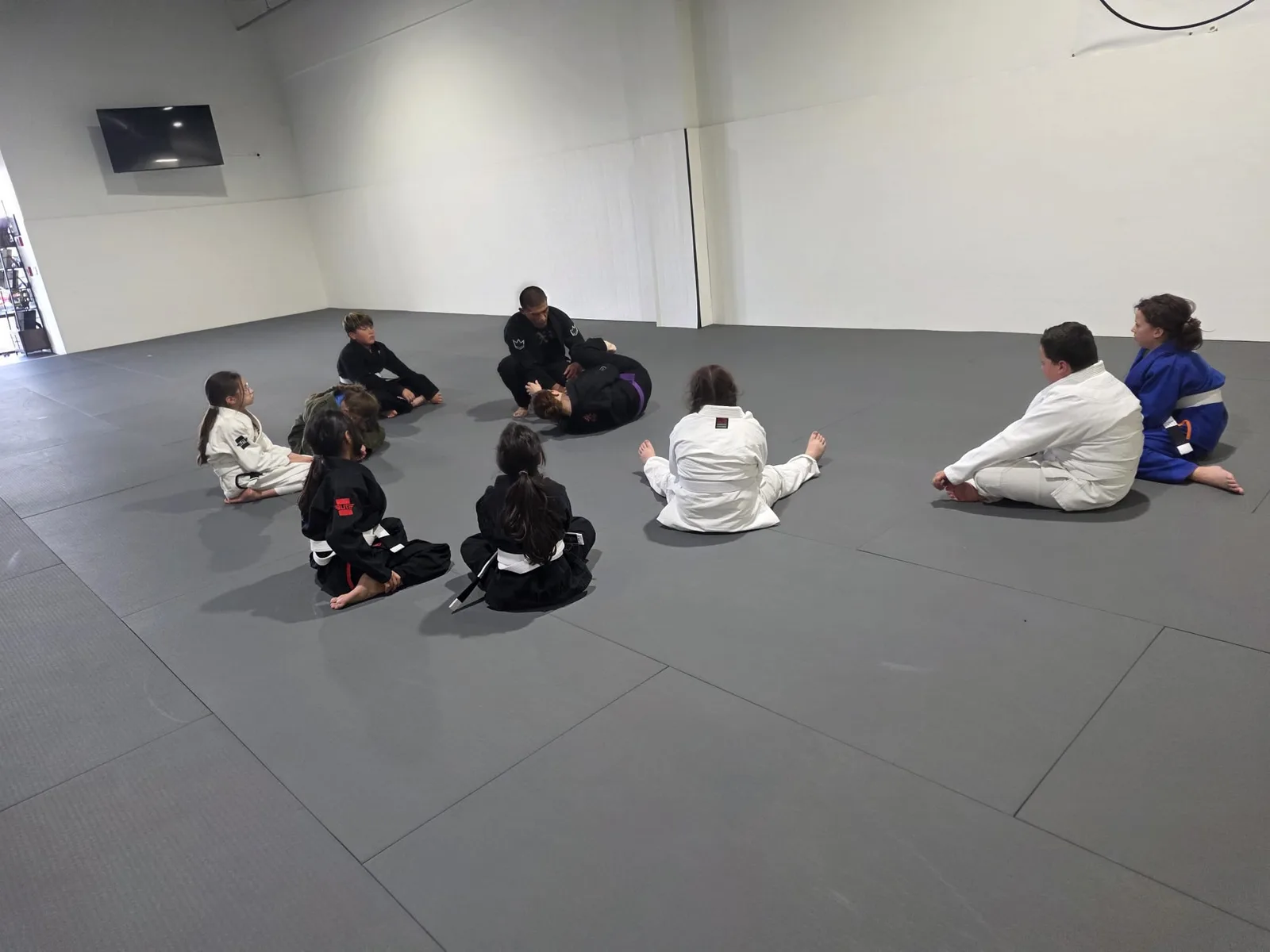
When you train at Gonzales JJ in Rio Rancho, you'll see athletes wearing different gi styles depending on their goals. Competitive grapplers often choose durable, IBJJF-approved gis. Beginners and self-defense students focus on comfort and durability for daily training.
The Non-Negotiable: Gi Hygiene and Mat Safety
Here's something every serious grappler knows: you wash your gi after every single training session. This isn't optional.
Why? Jiu-jitsu is full-body contact. Skin-to-skin grappling creates the perfect environment for fungal and bacterial infections if your gear isn't clean. Common mat-related skin issues include ringworm (a fungal infection that appears as round, itchy patches) and impetigo (a staph infection that causes red sores to form crusts). Both are preventable with consistent hygiene.
Your washing protocol should be simple:
- Wash your gi in cold or warm water (not hot, which breaks down fabric faster).
- Use a standard detergent designed for athletic gear.
- Hang dry when possible—machine drying shortens gi lifespan.
- Never leave a sweaty gi in your gym bag overnight.
If you notice any unusual skin irritation, redness, or unexplained rashes after training, contact your GP or pharmacist. Better to address it early than let a minor issue become a bigger problem.
This commitment to mat hygiene is part of the culture at any serious BJJ gym. Gonzales JJ emphasizes this from day one because a safe, clean training environment builds trust and keeps everyone healthy.
Choosing Between Gi Styles for Your Goals
Not all gis are built for the same purpose. Understanding your training focus helps you pick the right one.
Lightweight Gis
Best for: Speed, comfort, and ease of movement. Lightweight gis are ideal if you train multiple times per week and want less fabric drag. They dry quickly, which matters if you're washing multiple times weekly. The downside is they wear out faster than heavier options.
Durable/Heavy-Duty Gis
Best for: Longevity and competitive use. If you plan to compete or train intensely, a heavy-duty gi takes punishment and comes back for more. The thicker weave resists tears, and reinforced seams hold up over months of hard training. The trade-off is weight and heat retention—your body will work harder to move through the fabric.
All-Purpose Gis
Best for: Most people starting out. All-purpose gis balance durability, weight, and cost. They're not the lightest or the heaviest, but they perform well for general training, self-defense practice, and light competition.
When you're just beginning your journey, an all-purpose gi is often the smartest first purchase. As you progress and figure out whether you're chasing competition, self-defense skills, or fitness, you can invest in a specialized option.
Fit Guidelines That Actually Matter
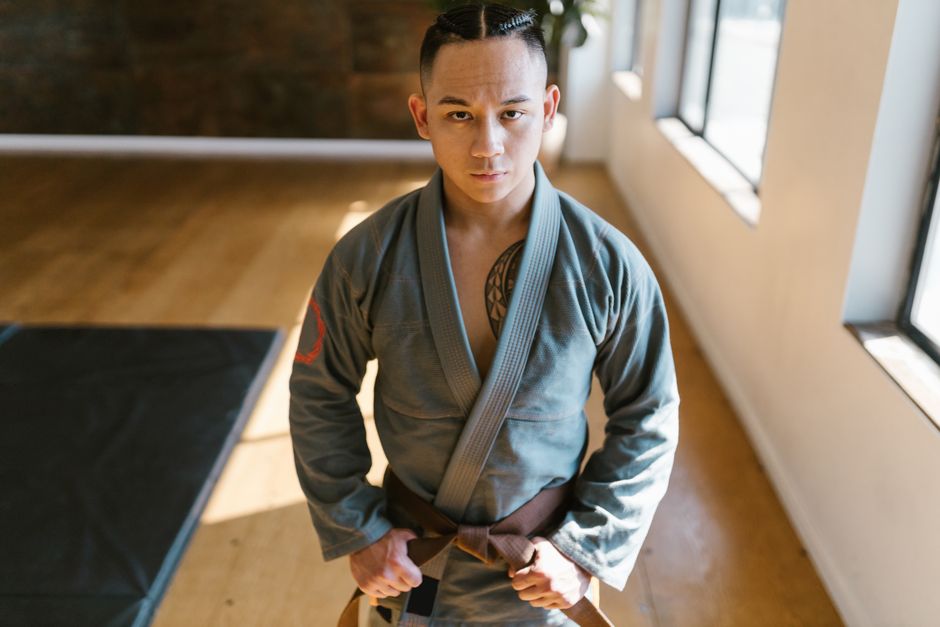
A poorly fitted gi ruins your training experience. Here's how to measure:
Related: Brazilian Jiu-Jitsu Guards: Complete Beginner's Guide
Related: Brazilian Jiu-Jitsu Weight Classes: Complete Guide
Related: Jiu Jitsu Gis: Complete Buyer's Guide for 2026
Related: Brazilian Jiu Jitsu No Gi: Complete Training Guide
Related: No Gi Jiu Jitsu: Complete Beginner's Guide to Training
Related: Kids Jiu-Jitsu for Beginners in New Mexico: A Complete Guide
- Jacket Length: Should reach your wrist when arms hang at your sides.
- Sleeve Length: Stops 2 inches above your wrist when arms are relaxed.
- Pants Length: Reaches the top of your foot when standing straight.
- Waist Fit: Snug enough that it doesn't slip, loose enough to breathe and move.
If you're ordering online, check the brand's sizing chart and read reviews from other grapplers. Many quality gi manufacturers account for natural shrinkage even with pre-shrinking treatment.
The team at Gonzales JJ knows firsthand how important proper fit is. Abie and Laura Gonzales built their gym around personalized instruction, and that extends to helping athletes choose gear that sets them up for success.
Start your BJJ journey off (Free Class)
Get Started Today →Gi Care Tips That Extend Lifespan
A quality gi is an investment. Here's how to protect it:
- Wash Immediately After Training: Don't let sweat and bacteria sit on fabric.
- Use Cold Water for First Wash: Helps lock in color and reduces shrinkage risk.
- Avoid Bleach and Fabric Softener: These break down the weave and weaken threads.
- Air Dry When Possible: Heat from dryers degrades fabric much faster than sun and air.
- Inspect Regularly: Check seams and high-stress areas for loose threads or small tears before they become big ones.
- Rotate Multiple Gis: If you train frequently, owning 2-3 gis lets each one dry fully and extends total lifespan.
Think of your gi like any other tool. Professional athletes who take care of their gear outlast those who don't. Small habits compound into serious durability gains.
Finding the Right Gi for Rio Rancho Athletes
You've got options. Online retailers carry dozens of brands. Big-box sporting goods stores stock gis, though selection and quality vary. Specialty BJJ retailers understand the sport deeply and stock gis that actually work.
Here's the honest approach: start by asking your instructors and training partners what they wear and why. Real grapplers who've been on the mats for years know which gis hold up and which fall apart after three months.
When you join a community like Gonzales JJ, you're not just getting a place to train. You're joining a network of people in Rio Rancho, Northeast Heights, Sandoval County, and beyond who understand the sport and can point you toward gear that works. That insider knowledge is invaluable when you're making your first big gi purchase.
The Long-Term Play: Investing in Yourself
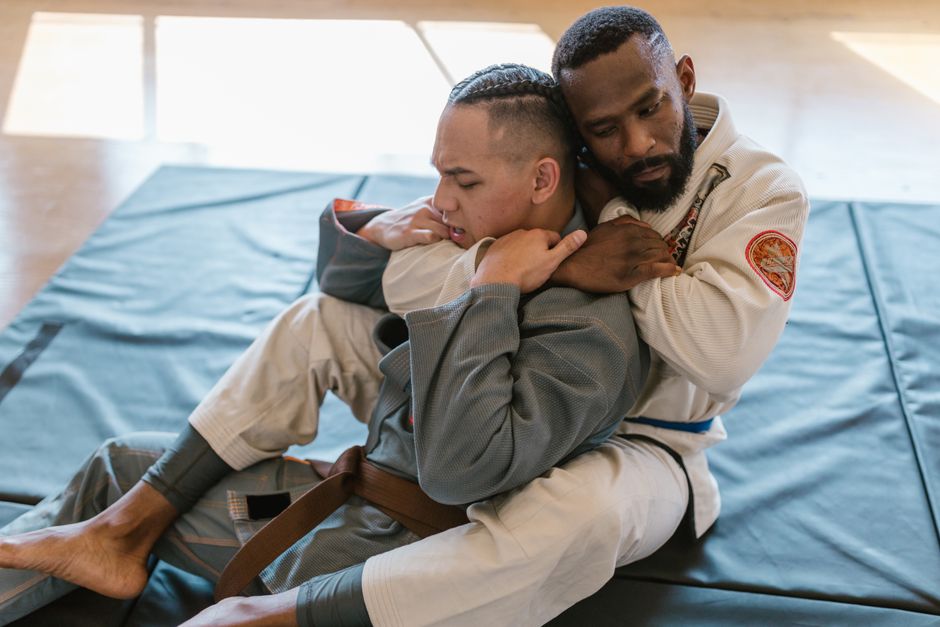
A quality gi isn't just about comfort or durability. It's about mindset.
When you show up in a well-maintained gi that fits right and holds up to hard training, you feel like an athlete. You carry yourself differently on the mat. That confidence translates into better technique, more focus, and faster progress.
Jiu-jitsu is a long game. You're not sprinting a season—you're building skills and character over years. Every detail matters, and that includes what you wear. A solid gi is part of that foundation.
Whether you're training for competition, learning self-defense, building confidence as a kid or adult, or just looking for a discipline that transforms you from the inside out, Gonzales JJ in Rio Rancho is built on this philosophy. World-class instruction paired with family values. Technical excellence paired with character building. Everyone grows and competes together on and off the mat.
Your gi is part of that journey. Choose it wisely, care for it seriously, and let it be a symbol of your commitment to becoming a winner in every sense.
Frequently Asked Questions
How often should I wash my jiu-jitsu gi?
You should wash your gi after every single training session. This prevents skin infections like ringworm and impetigo, which thrive in warm, moist environments. Regular washing also removes sweat and bacteria that break down fabric. If you train multiple times per week, consider owning 2-3 gis so you always have one clean while others dry.
What size jiu-jitsu gi should I buy?
Measure yourself using your brand's sizing chart. The jacket should reach your wrist when arms hang down. Sleeves stop 2 inches above your wrist. Pants reach the top of your foot. Waist should be snug but allow breathing room. Check customer reviews for shrinkage patterns, as even pre-shrunk gis may shrink slightly. When in doubt, many retailers offer size exchanges.
Are expensive gis worth the money?
Quality gis cost more upfront but last longer and perform better. A $60 gi might need replacing after 6-12 months of hard training. A $150-200 gi can last 2-3 years with proper care. If you're training regularly, the cost per training session quickly favors investing in durability. Budget-friendly all-purpose gis are a smart starting point; upgrade once you know your training style.
What's the difference between lightweight and heavyweight gis?
Lightweight gis are easier to move in and dry faster, making them ideal for frequent training. They wear out sooner. Heavyweight gis are more durable and better for competition, but they're heavier and retain more heat. Gonzales JJ athletes often start with all-purpose gis that split the difference, then specialize based on their goals as they progress.
Start your BJJ journey off (Free Class)
Get Started Today →