

Getting the right jiu jitsu gi size is way more important than most people think. A gi that doesn't fit properly can mess with your training, limit your movement, and honestly just feel awful when you're rolling. The good news? Once you understand the sizing system, picking your gi is actually pretty straightforward.
Whether you're a total beginner or a seasoned competitor, the sizing comes down to two things: your weight and your height. Miss either one, and you'll end up with something that's too baggy, too tight, or just plain uncomfortable. Let's break down how to find your exact size.
Understanding the Adult Gi Sizing System
Adult jiu jitsu gis use the A-series sizing system. That's A0, A1, A2, A3, A4, and sometimes A5 or A6 for larger frames. The letter "A" just means "adult," and each size corresponds to specific weight and height ranges.
Related: Jiu Jitsu Weight Classes Explained: A Complete Guide
Related: Youth Jiu Jitsu Gi: Complete Guide for Young Athletes
Related: Jiu Jitsu Gis: Complete Buyer's Guide for 2026
Related: Brazilian Jiu Jitsu Ranks Explained: Your Complete 2026 Guide
Related: Brazilian Jiu Jitsu No Gi: Complete Training Guide
Related: Brazilian Jiu Jitsu Leg Locks: Complete Beginner Guide
Related: Jiu Jitsu Half Guard: Complete Beginner Guide
Related: Where Did Jiu Jitsu Originate? Rio Rancho's Guide to BJJ History
Here's the thing: your size isn't just about what the scale says. You need to match BOTH your weight AND your height to the right size. If you're on the taller side of a weight range, you might need a different size than someone who's shorter at the same weight.
Some sizes also come with an "H" designation, like A0H or A2H. That "H" stands for tall or heavy build within that weight range, and it's designed for people who don't fit the standard proportions. This is actually super helpful if you're an athlete with a bigger frame or longer limbs.
Adult Gi Size Chart Breakdown
Here's your complete adult sizing reference:
- A0: 140 lbs or less, 5'5" or shorter
- A0H: 220-280 lbs, 6'3"-6'6" (tall and heavy build)
- A1L: 140-165 lbs, 5'8"-6'0" (lightweight fit)
- A2: 165-190 lbs, 5'7"-5'11"
- A2H: 190-220 lbs, 5'6"-5'10" (heavy build)
- A3: 190-215 lbs, 5'11"-6'2"
- A4: 215-240 lbs, 6'2"-6'5"
Most people fall into A1, A2, or A3. If you're in between sizes, think about your build. Are you more muscular or lean? Do your legs feel long compared to your torso? These details matter when you're deciding between two sizes.
If you're serious about training and want guidance on picking the right gi for your body type and training style, Gonzales JJ can help you dial in the perfect fit before you invest in gear.
Start your BJJ journey off (Free Class)
Get Started Today →
Kids and Youth Gi Sizing
Children's gis use the K-series: K0, K1, K2, and K3. Just like adults, kids' sizing considers both height and weight, but the ranges are smaller since kids grow fast.
- K0: 3'1"-3'8", 30-45 lbs
- K1: 3'9"-4'5", 45-60 lbs
- K2: 3'10"-4'7", 60-72 lbs
- K3: 4'6"-5'0", 72-90 lbs
Pro tip: kids grow out of gis faster than you'd think. Some families buy a size up if their child is on the larger end of a range, but make sure it doesn't affect their ability to move or grip the fabric during training. A gi that's too loose can actually be a safety issue when you're learning techniques.
How to Measure Yourself for the Perfect Fit
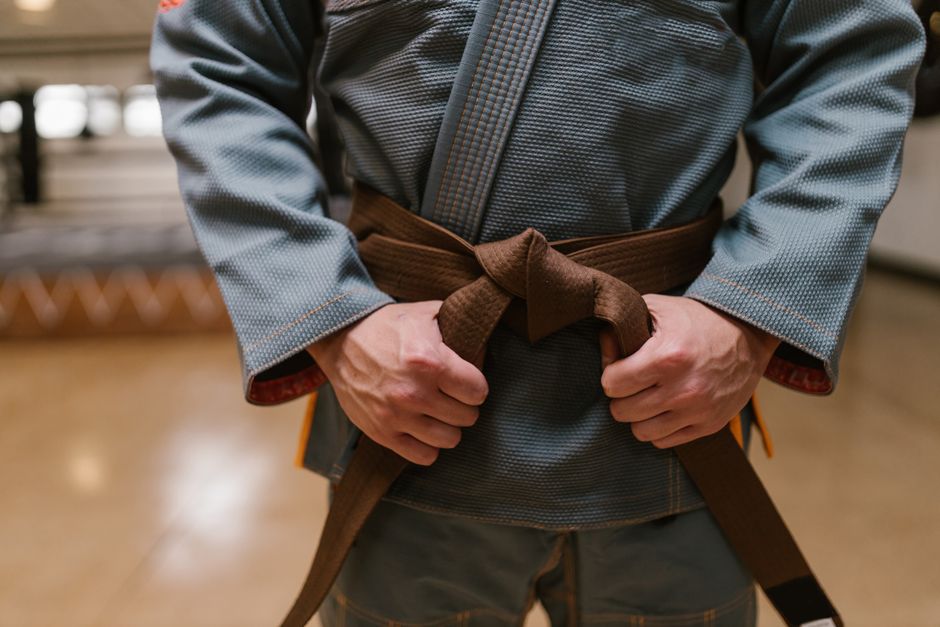
Okay, so you know the sizes exist. But how do you actually measure yourself to pick the right one?
Step 1: Get your weight. Step on a scale. This is the easy part.
Step 2: Measure your height. Stand barefoot with your back against a wall. Mark where the top of your head is and measure from the floor. Be honest. Don't add an extra inch.
Step 3: Consider your build. Are you stocky, athletic, or lanky? Do you carry most of your weight in your chest and shoulders or lower body? This helps you decide between regular and "H" sizes in the same weight range.
Step 4: Check the manufacturer's specific chart. Different brands can vary slightly, so always verify measurements before you buy. Some gis run smaller than others.
If you're joining a school like Gonzales JJ, instructors can usually give you quick feedback on fit during your first classes and help you adjust before your next purchase.
Common Sizing Mistakes to Avoid
The biggest mistake? Buying a gi based on clothing size alone. Your regular jeans size has nothing to do with gi sizing. Some people buy a size too big because they want room to move, but that actually makes you slower and gives opponents more fabric to grab.
Another common error: ignoring the height requirement. You might think "I weigh 180 pounds, so A2 is my size," but if you're 6'1", you probably need an A3. Sleeves that are too short look awkward and can affect your technique.
And don't underestimate how much shrinkage happens. Most gis shrink slightly after washing, especially the first few times. Some manufacturers pre-shrink their gis, but it's worth asking before you buy. A gi that fits perfectly out of the bag might be tight after your first wash.
When to Size Up or Down
You're between two sizes. Should you go bigger or smaller?
Go UP if you're borderline on height. Long sleeves and pant legs are easier to live with than short ones. You can always adjust your positioning and footwork. Short sleeves that don't reach your wrists? That's harder to work around.
Go DOWN if you're on the lower end of a weight range AND you have a lean build. A tighter gi gives you better control, faster movement, and less fabric for opponents to grip. This is especially true if you compete or plan to.
Honestly, the safest move is visiting a local gym where you can try gis on or get expert advice. Instructors at Gonzales JJ train athletes of all sizes and can show you exactly what works for your body.
Gi Fit Standards After Washing
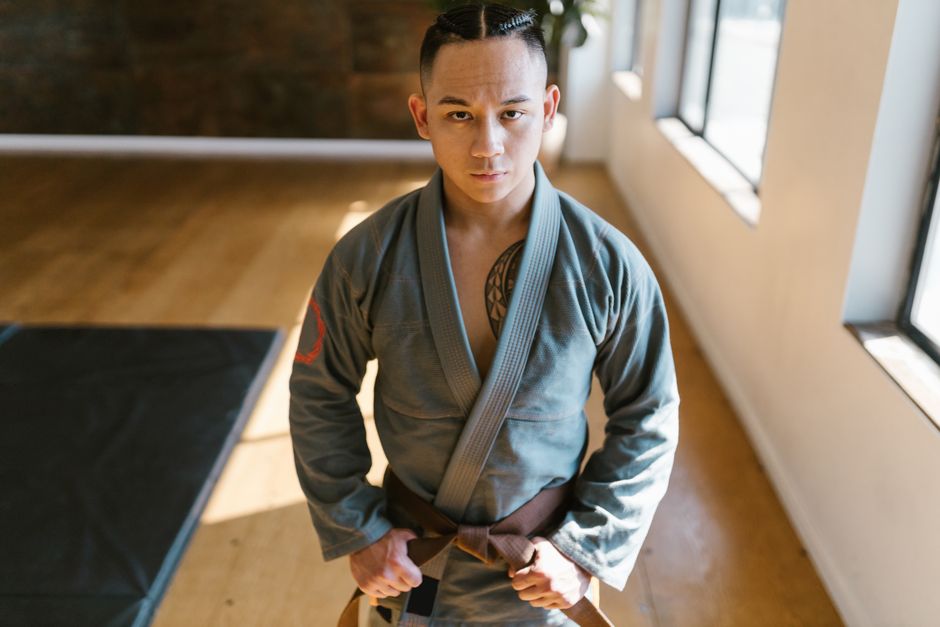
Your gi should fit you like this after being washed and dried:
- Sleeves end 2-3 inches above your wrist when your arm is extended
- Pant legs reach to about 2 inches above your ankle
- The jacket chest overlaps by at least 1-2 inches when you tie it
- There's enough room to fit a flat hand inside the jacket when it's tied (no crushing your chest)
- Shoulders sit naturally without bunching or sliding
If your gi meets these standards, you nailed the size. You should be able to move freely, perform techniques, and roll comfortably without excess fabric getting in the way.
Checking Your Fit During Training
Once you get your gi, wear it during class and pay attention to how it feels. Does your partner have too much jacket to grab? Can you perform your techniques smoothly? Are you getting tangled in extra fabric?
The first few classes are perfect for testing fit. If something feels off, you can usually exchange it or size differently on your next purchase. Most quality gi brands offer sizing advice after you contact them with details about your experience.
If you're training at Gonzales JJ, your instructors can give you real-time feedback on fit and help you understand if sizing adjustments would improve your training.
Budget and Brand Considerations
Here's a real talk: once you know your size, you have options at every price point. Budget gis start around $60-80. Mid-range runs $100-150. Premium competition gis can be $200+.
For beginners, a solid mid-range gi is the sweet spot. It'll last through plenty of training, hold up to regular washing, and not destroy your wallet. As you progress, you might want a lighter competition gi or something with special weave fabric, but you don't need that starting out.
Whatever you choose, make sure the sizing is accurate for that specific brand. Check reviews and look for mentions of how the gi fits. Does it shrink? Do sleeves run long? These details matter when you're making your decision.
People Also Ask
What does the "A" in A0, A1, A2 mean?
The "A" stands for adult. It's just the International Brazilian Jiu-Jitsu Federation's way of labeling sizes for grown-ups. Kids' gis use "K" (K0, K1, K2, K3) instead. Some brands also use letter combinations for specialized sizing, but the A and K are standard across the industry.
Can I wear a gi that's slightly oversized?
You can, but it's not ideal. Research on athlete performance and equipment fit shows that clothing that's too loose can slow your reaction time and reduce your control over movements. For training, a slightly loose gi is okay. For competition, you want it as close to regulation fit as possible.
Should I buy a gi a size up to account for shrinkage?
Not usually. Most modern gis are pre-shrunk or designed to minimize shrinkage. If the manufacturer hasn't mentioned shrinkage, assume minimal change. Buying a size up means you're training in a loose gi from day one, which defeats the purpose. Instead, ask the seller about their specific shrinkage rate before you buy.
What's the difference between A2 and A2H?
Start your BJJ journey off (Free Class)
Get Started Today →