
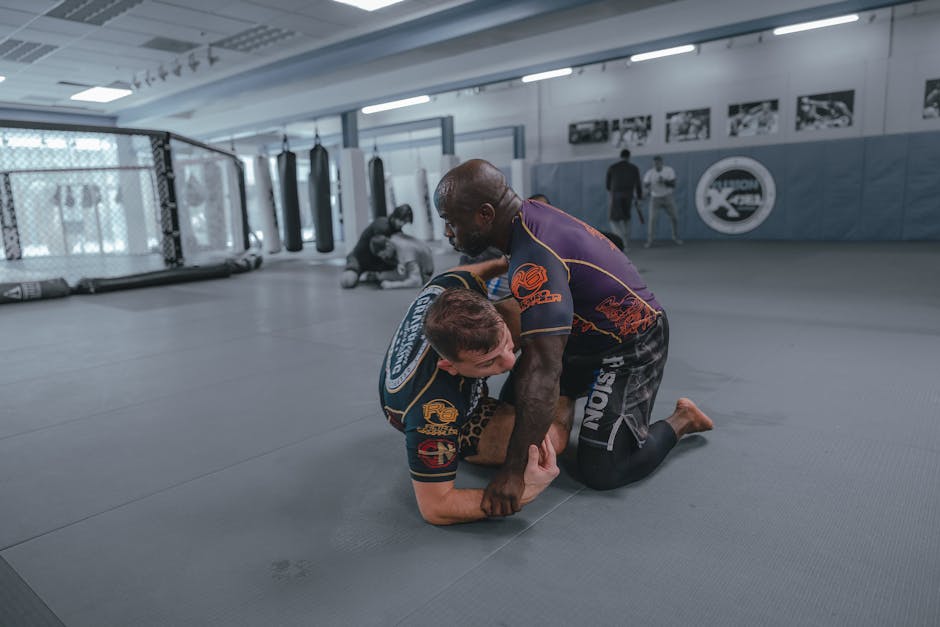
Weight classes in jiu jitsu are the backbone of fair competition. Whether you're stepping on the mat for the first time or prepping for a tournament, understanding the weight division system helps you know what to expect, how you'll be matched up, and why size alone doesn't determine who wins.
The International Brazilian Jiu-Jitsu Federation (IBJJF) sets the standard that most competitions follow. Let's break down how they work, what category you'd compete in, and why technique matters way more than you might think.
The Male Adult Weight Classes (IBJJF Standard)
If you're a male adult competitor, here's where you'd slot in:
- Rooster: Up to 57.5 kg (126.5 lbs)
- Light Feather: Up to 64 kg (141 lbs)
- Feather: Up to 70 kg (154 lbs)
- Light: Up to 76 kg (167.5 lbs)
- Middle: Up to 82.3 kg (181 lbs)
- Medium Heavy: Up to 88.3 kg (195 lbs)
- Heavy: Up to 101.3 kg (223 lbs)
- Super Heavy: Over 101.3 kg
Most adult men in the U.S. fall into the Light, Middle, or Medium Heavy categories. The divisions exist to prevent a 280-pound wrestler from crushing someone who weighs 160 pounds—pure size shouldn't decide the match.
Female and Youth Weight Classes
Women's and juvenile divisions have their own structures. Female competitors start at a lower minimum (Rooster begins at 51.5 kg / 115 lbs instead of 57.5 kg), and youth categories break down by both age and weight.
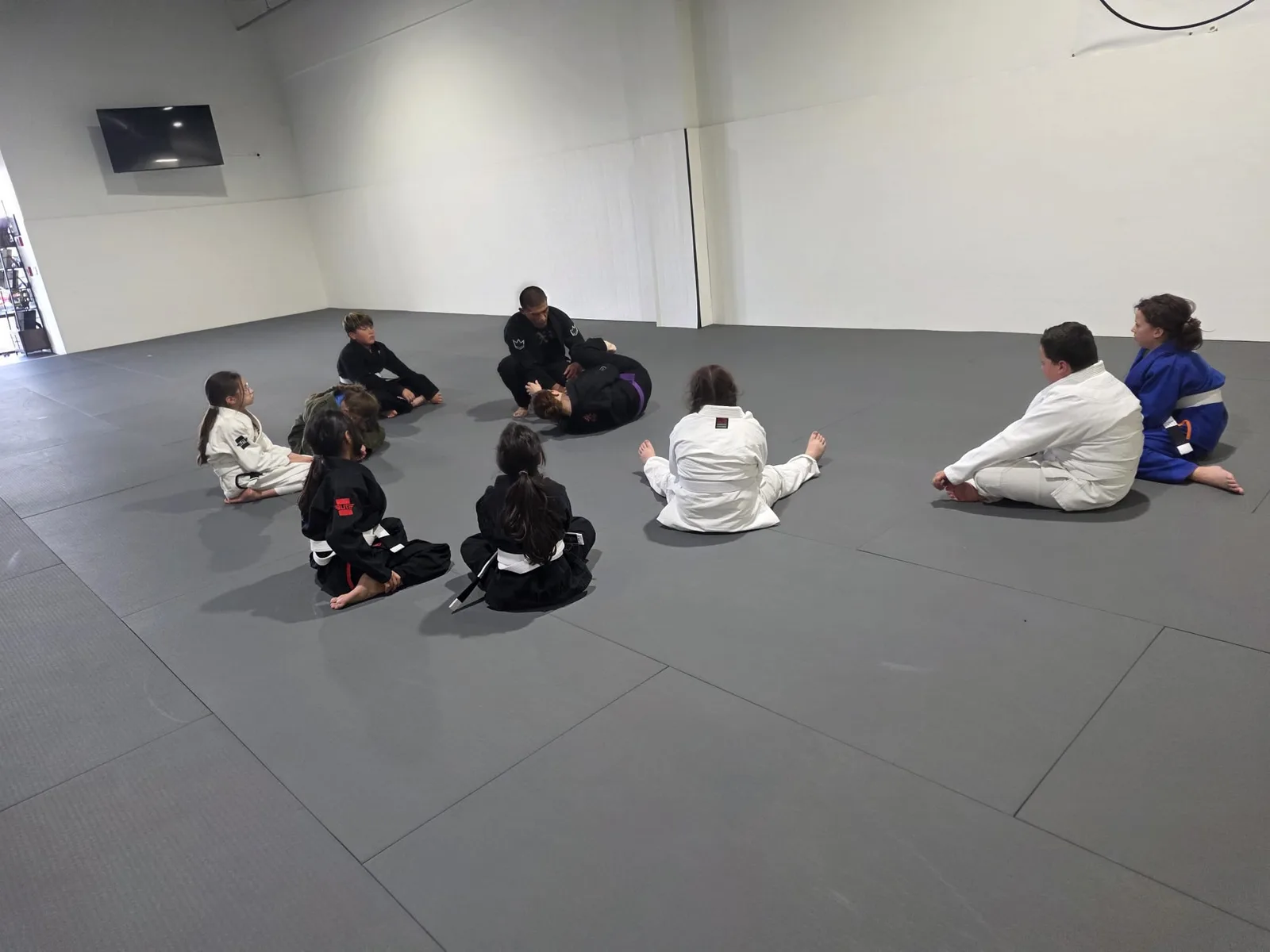
If you're training your kids or considering jiu jitsu for your family, Gonzales JJ offers age-appropriate instruction that respects both weight and skill level. The structure keeps young athletes safe while they build technique and confidence.
Why Weight Classes Matter in Competition
Weight classes solve a real problem: fairness. A larger opponent with more muscle mass naturally has advantages in strength and leverage, even if both fighters know the same techniques.
By dividing competitors into weight brackets, tournaments make sure you're matched against someone your size. Your skill, timing, and strategy become the deciding factors instead of who happens to be bigger.
That said, weight class rules aren't perfect. Some competitions still allow weight flexibility (like plus-one divisions), so you might face someone slightly heavier. But the intent is always to level the playing field.
Technique Beats Size When You Train Right

Here's the honest truth about jiu jitsu: a smaller person with excellent technique can absolutely submit someone bigger and stronger. It happens all the time.
Related: Jiu Jitsu Weight Classes Explained: A Complete Guide
Related: Jiu Jitsu World League Weight Classes Explained
Related: Brazilian Jiu-Jitsu Weight Classes: Complete Guide
Related: Full Guard Jiu Jitsu: Complete Beginner's Guide
Related: BJJ Jiu Jitsu: A Beginner's Guide to Getting Started
Related: Leg Lock Jiu Jitsu: Complete Guide to Techniques & Defense
Related: No Gi Jiu Jitsu: Complete Beginner's Guide to Training
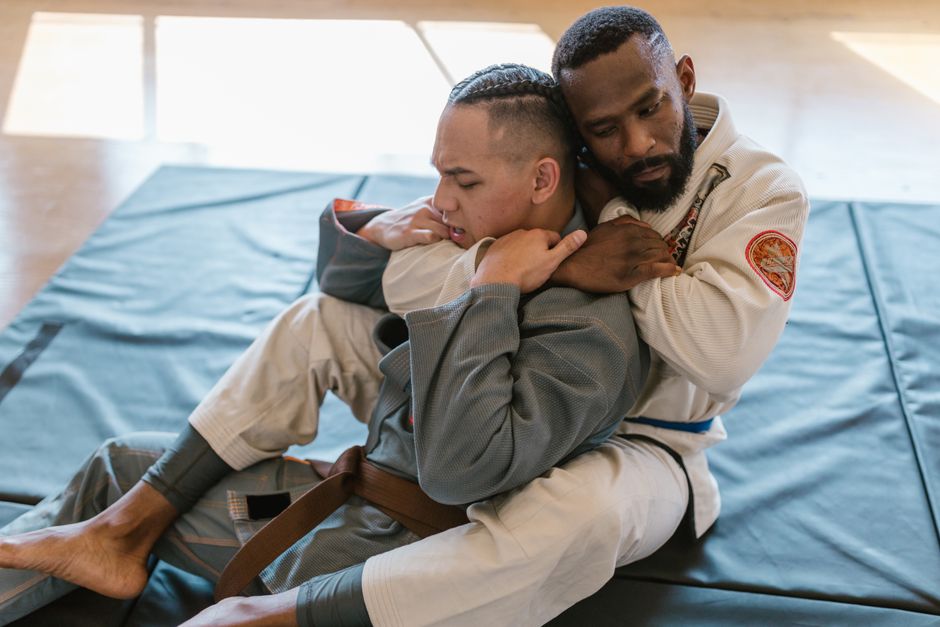
Why? Because jiu jitsu uses leverage, angles, and timing instead of raw power. A rear-naked choke works the same way whether you weigh 160 or 200 pounds. A well-placed armlock doesn't care about your opponent's muscle mass.
Start your BJJ journey off (Free Class)
Get Started Today →This is why technique-focused training matters so much. If you drill the fundamentals, understand positioning, and learn to move efficiently, you develop a skill set that works regardless of your size or your opponent's size.
According to research on grappling sports from the NIH, technical proficiency and positional dominance remain the strongest predictors of match outcomes across weight divisions.
How to Find Your Weight Class
It's simple: step on a scale. Whatever you weigh determines your division. Most competitions weigh athletes on the day of the event (or the day before), so make sure you know the exact cutoff for your bracket.
If you're right at the border—say, exactly 76 kg—you'd compete in the Light class. If you're 76.1 kg, you move to the next division up (Middle). There's usually a small grace margin (around 0.5 kg) to account for hydration and timing, but rules vary by organization.
Pro tip: Never try to cut weight dramatically or dangerously. It messes with your performance, your health, and your ability to recover. Train at the weight class where you naturally land.
Weight Classes Across Different Organizations
The IBJJF is the biggest authority, but some competitions use slightly different divisions. Local tournaments, NoGi events, or submission-only competitions might adjust the cutoffs by a few pounds.
Always check the specific tournament's rulebook before you sign up. It'll tell you the exact weight classes, weigh-in procedures, and any special rules for your division.
What Happens When You're New to Competition
If you're thinking about competing for the first time, your weight class is just one piece of the puzzle. You'll also be placed in a skill bracket—usually white belt, blue belt, and so on.
When you train consistently at a quality gym, your instructor helps you prepare for tournament rules, pacing, and the mental side of competing. They'll also advise you on whether you're ready and which competition level makes sense for your skill.
Weight Classes and Your Training Goals
Whether you're training for competition or just want to get stronger and healthier, weight classes remind you of something important: jiu jitsu isn't about dominating through size. It's about mastering technique, positioning, and timing.
Even if you never step on a tournament mat, understanding weight classes helps you appreciate why everyone—from tiny people to massive people—can excel at jiu jitsu. The art levels the playing field.
If you're interested in seeing how competition fits into a full training experience, check out what Gonzales JJ offers. We work with competitors at every level and help athletes understand their goals, whether that's personal growth, self-defense, or stepping into the ring.
Key Takeaways About Weight Classes
- IBJJF weight classes range from Rooster (under 57.5 kg) to Super Heavy (over 101.3 kg) for adult males.
- Weight classes keep competition fair by matching athletes of similar size.
- Technique and timing beat raw strength and size in jiu jitsu.
- Most competitions weigh athletes on competition day or the day before.
- Different organizations may have slight variations in weight cutoffs.
What's the difference between weight classes and skill belts?
Weight classes and belt ranks are separate. You're placed in a weight division based on how much you weigh, and in a skill division based on your belt level (white, blue, purple, brown, black). Most competitions use both—so you might compete as a blue belt in the Light weight class, facing other blue belts who weigh between 70 and 76 kg.
Can you compete in a heavier weight class?
Yes. Most tournaments let you move up a weight class if you want to. You can't move down (that would undermine fairness), but moving up is allowed. Some athletes do this if they're between weight classes or want more experience against larger opponents. Check your tournament's specific rules first.
Do weight classes matter for training (not competition)?
Not really. In a regular training session, you're rolling with whoever's on the mat that day. You might partner with someone heavier or lighter, stronger or weaker, newer or more experienced. That's actually valuable—it teaches you to adjust your technique for different body types and sizes.
What if I gain or lose weight between weigh-in and competition?
Most competitions weigh you within 24 hours of your match, so major shifts are unlikely. But if you do change weight during the day, it doesn't matter—your weight class was locked in at the official weigh-in. Eat, hydrate, and prepare normally.
Start your BJJ journey off (Free Class)
Get Started Today →