
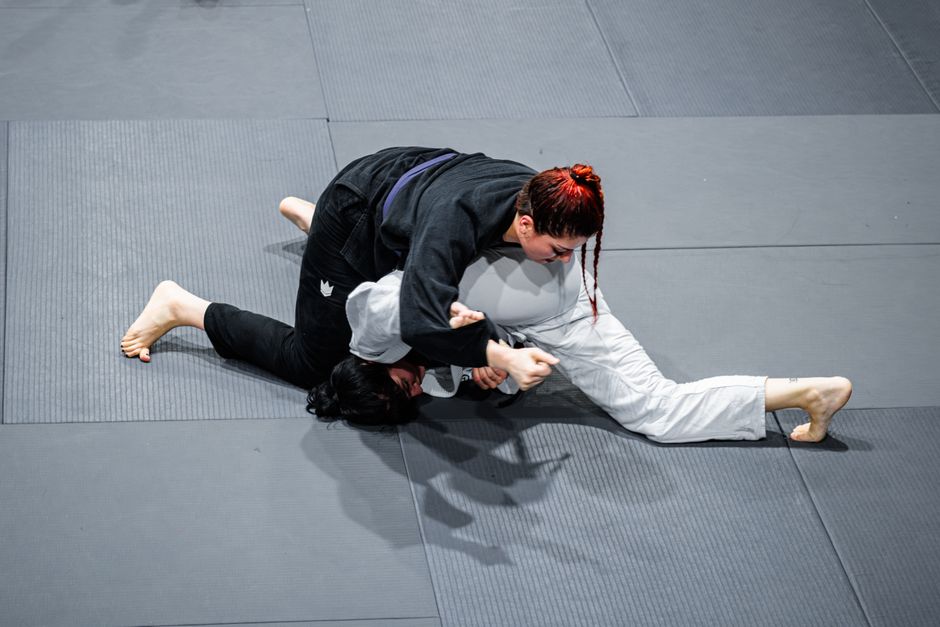
The kimura is a powerful shoulder lock submission that isolates your opponent's arm and creates an unstoppable position once you lock it down. Also called the "double wristlock" in Brazilian Jiu-Jitsu circles, this move uses a specialized figure-four grip to control and apply pressure that forces your opponent to tap out. It's not just flashy either—the kimura is one of the best foundational movements for beginners to master, and it'll change how you approach grappling.
If you're just starting your BJJ journey, the kimura deserves a spot in your core technique rotation right alongside the armbar and rear-naked choke. Gonzales JJ recommends teaching this move early because it builds your understanding of joint lock mechanics while keeping your confidence high—beginners see results fast.

What Is the Kimura and How Does It Work?
The kimura is a shoulder lock submission that targets your opponent's shoulder joint by controlling their arm in a very specific way. The magic happens when you create what's called a "figure-four grip"—essentially, you weave your arms around theirs in a pattern that looks like the number four.
Once you have that grip locked, you can apply pressure by bringing your hands toward your chest while controlling their arm at the elbow. The shoulder joint has limited range of motion, so this pressure quickly becomes unbearable. Your opponent has to tap out or risk serious injury.
Here's what makes the kimura special: it's not just a submission from one position. You can hit it from mount, side control, half-guard, or even standing. That versatility is why it's such a game-changer for your grappling toolkit.
Step-by-Step Breakdown: How to Execute the Kimura
Let's walk through the most common setup—applying the kimura from side control, which is where most people learn it first.
Step 1: Control the Arm
You're in side control, and your opponent's far arm is the target. Underhook their arm with one of yours, threading it underneath and around their bicep. Your elbow should be tight against their body.
Step 2: Create the Figure-Four Grip
This is the critical part. Bring your other hand over their arm and clasp your hands together, creating that figure-four shape. Your grip should be tight and secure—no loose fingers here.
Step 3: Control the Wrist
Hold their wrist firmly with one hand while your other hand grips your own wrist (or clasps over your first hand). This gives you maximum control over their arm.
Step 4: Apply Pressure
Here's where the submission finishes. Bring your clasped hands toward your chest while keeping their elbow tight against your body. Keep your shoulders relaxed and your movement smooth. The pressure should build gradually—tap pressure translates to respect on the mat and safety during training.
Step 5: Watch for the Tap
Your opponent will feel the shoulder pressure building. They'll tap, and you immediately release. Always prioritize your training partner's safety.
Why the Kimura Is Perfect for Beginners
You might wonder: why focus on the kimura when there are so many other submissions out there? The answer is simple—it builds your foundation as a grappler in ways that pay dividends for years.
First, the kimura teaches you how joint locks actually work. You learn to isolate a limb, control the joint angles, and apply pressure strategically. These principles show up everywhere else in BJJ, so mastering the kimura early means you'll understand submissions faster overall.
Related: Jiu Jitsu Arm Triangle: Master This Submission
Second, it boosts your confidence. The kimura is a submission that works consistently when you do it right. Beginners need early wins to stay motivated, and the kimura delivers them. You'll feel the difference in your mindset when you start getting submissions regularly.
Third, it's versatile beyond belief. You can use it to pass the guard, reverse positions, take your opponent down, or finish from multiple positions. That means one technique becomes your secret weapon across your entire rolling game.
Kimura Applications Beyond Just Submissions
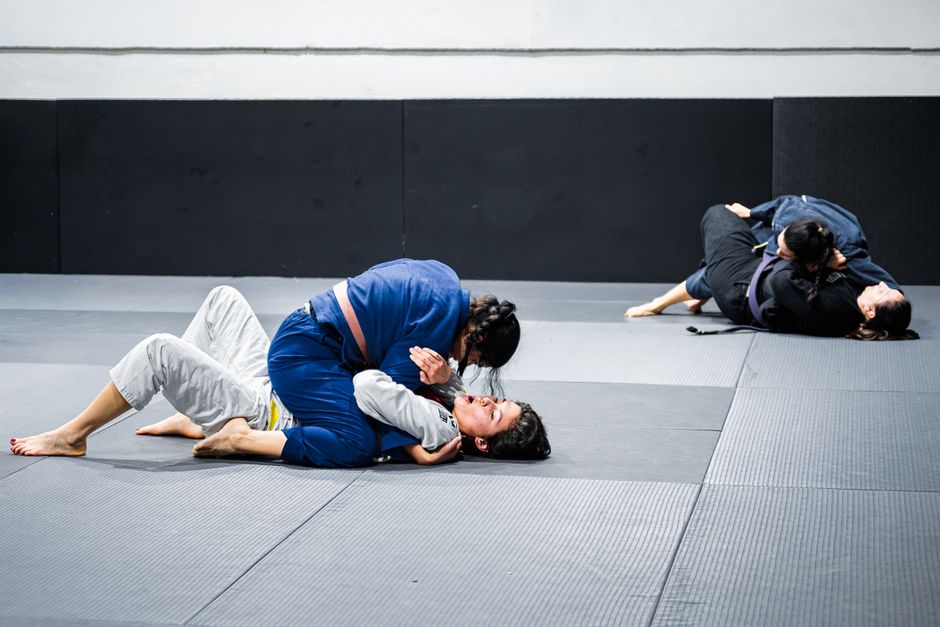
Here's the thing most beginners don't realize: the kimura grip isn't just for submissions. It's a control mechanism that opens doors across your entire game.
Related: Best Brazilian Jiu Jitsu Instructional Videos (2026 Guide)
Related: Brazilian Jiu Jitsu Basic Moves: A Beginner's Guide
Related: Is Brazilian Jiu Jitsu Good for Self Defense? The Real Answer
Related: Best Brazilian Jiu Jitsu Ear Guards in Rio Rancho, NM
Guard Passing
When your opponent has you in their guard, a kimura grip can collapse their structure and open angles for you to pass. You control their arm, disrupt their balance, and suddenly guard passing becomes easier.
Positional Sweeps
From your back, a kimura grip can help you sweep your opponent. By isolating their arm and controlling their base, you can rotate underneath them and take the top position. It's an elegant way to reverse a bad situation.
Takedowns
Standing up, the kimura grip can set up throws and takedowns. You control your opponent's arm, turn your hips, and dump them on their back. This is especially useful in self-defense and competition scenarios.
When you train at Gonzales JJ, our instructors show you how these applications connect. You're not just learning isolated techniques—you're building a cohesive grappling strategy.
Start your BJJ journey off (Free Class)
Get Started Today →Common Mistakes When Learning the Kimura
Most beginners make the same errors when they start training the kimura. Knowing what to avoid saves you time and keeps your training partners safe.
Gripping Too Loose
Your figure-four grip needs to be rock solid. A loose grip means your opponent can escape, and you don't get the feedback you need to learn proper mechanics. Lock your hands together firmly.
Applying Pressure Too Fast
New students often yank the submission hard and fast. That's how injuries happen. The kimura is a slow burn—gradually increase pressure and give your partner time to tap. Control > speed.
Neglecting Elbow Control
The elbow is your anchor point. If you let their elbow slip away from your body, they can escape. Keep it tight against your ribs the entire time.
Ignoring Wrist Position
Your grip on their wrist matters more than people think. Control it properly, and the submission finishes. Lose it, and they're out. Pay attention to hand placement.
How the Kimura Builds Real-World Confidence
Here's something people don't talk about enough: learning the kimura isn't just about getting better at BJJ. It's about building mental resilience and staying calm under pressure.
When you're applying a kimura, you're controlling another human being who's actively trying to escape. That requires focus, timing, and composure. You can't panic. You can't rush. You have to stay present and aware.
That same skill set transfers off the mat. Gonzales JJ builds students who become winners on and off the mat by teaching techniques like the kimura that demand mental discipline. Over time, you develop unshakeable confidence because you've proven to yourself repeatedly that you can control difficult situations.
Research from the National Institutes of Health shows that martial arts training improves emotional regulation and stress management, which backs up what we see in students every single day.
Training the Kimura: Drills and Practice Tips
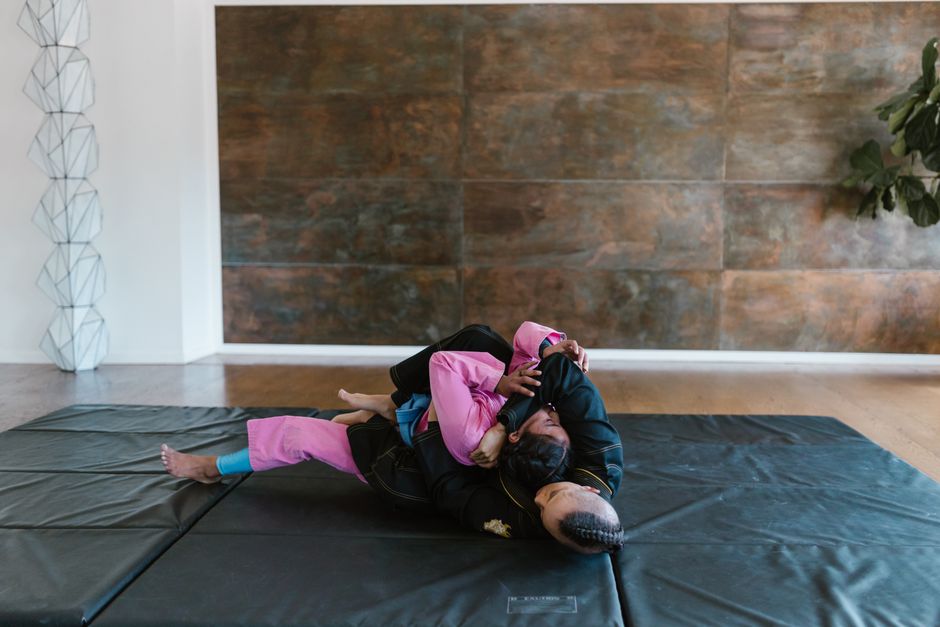
You can't just learn the kimura once and expect to master it. You need consistent, intentional practice.
Drill the Grip Separately
Before you roll, spend 5-10 minutes just drilling the figure-four grip. Have your partner give you their arm, and practice creating the grip from different angles and positions. Speed comes with repetition.
Slow-Roll Submissions
During training, practice the kimura at 60% intensity. Let your partner feel the grip and pressure building. This teaches both of you proper timing and response.
Position-Specific Drills
Drill the kimura from side control, half-guard, and mount separately. Each position has slightly different angles, and mastering all of them makes you dangerous.
Live Rolling Practice
Once you're comfortable, start hunting for kimura opportunities during regular rolling. Don't force it, but stay aware of positions where you can set it up.
This is exactly the kind of structured, progressive training that Gonzales JJ emphasizes in every class. Our instructors guide you through these drills systematically so you build real mastery, not just surface-level knowledge.
Why You Should Start Learning the Kimura Today
If you're new to Brazilian Jiu-Jitsu, the kimura should be on your priority list. It's a technique that works, builds your confidence fast, and teaches you principles that carry across your entire grappling game.
The best time to start is right now. The second-best time is your next training session. Every day you wait is a day you're not building this foundational skill.
Whether you're training for competition, self-defense, or just personal growth, the kimura belongs in your arsenal. And when you're ready to learn it properly with expert instruction and community support, Gonzales JJ is here to help you become a winner on and off the mat.
People Also Ask
Is the kimura submission legal in BJJ?
Yes, the kimura is completely legal in Brazilian Jiu-Jitsu at all belt levels. It's one of the most fundamental and widely taught submissions in the sport. Just remember to tap when your partner signals, and always control the pressure so nobody gets hurt during training.
Related: Brazilian Jiu Jitsu No Gi: Complete Training Guide
Related: Brazilian Jiu Jitsu for Adults: A Complete Getting Started Guide
Can you escape a kimura once it's locked?
It's tough but possible. If your opponent has a really solid grip and you're already deep in the submission, your best option is to tap. However, if they're just setting it up, you can sometimes break the grip by rotating your hand or creating space. The key is recognizing the grip early and defending before they lock it down completely.
What's the difference between a kimura and an armbar?
The kimura targets the shoulder joint using a figure-four grip, while the armbar targets the elbow joint by isolating your opponent's arm across your body. Both are fundamental submissions, but they work on different joints and require different setup and finish mechanics. Most beginners learn both early because they complement each other.
How long does it take to learn the kimura?
You can learn the basic mechanics in a single class, but mastering it takes weeks of consistent practice. Most students start hitting submissions reliably with the kimura after 2-3 months of regular training. The timeline depends on your training frequency and how much you drill the technique outside of rolling.
Start your BJJ journey off (Free Class)
Get Started Today →